Why Aren’t Texas Democrats Talking About Abortion?
Once seen as a crucial issue after the fall of Roe, candidates here are now largely ignoring it altogether.

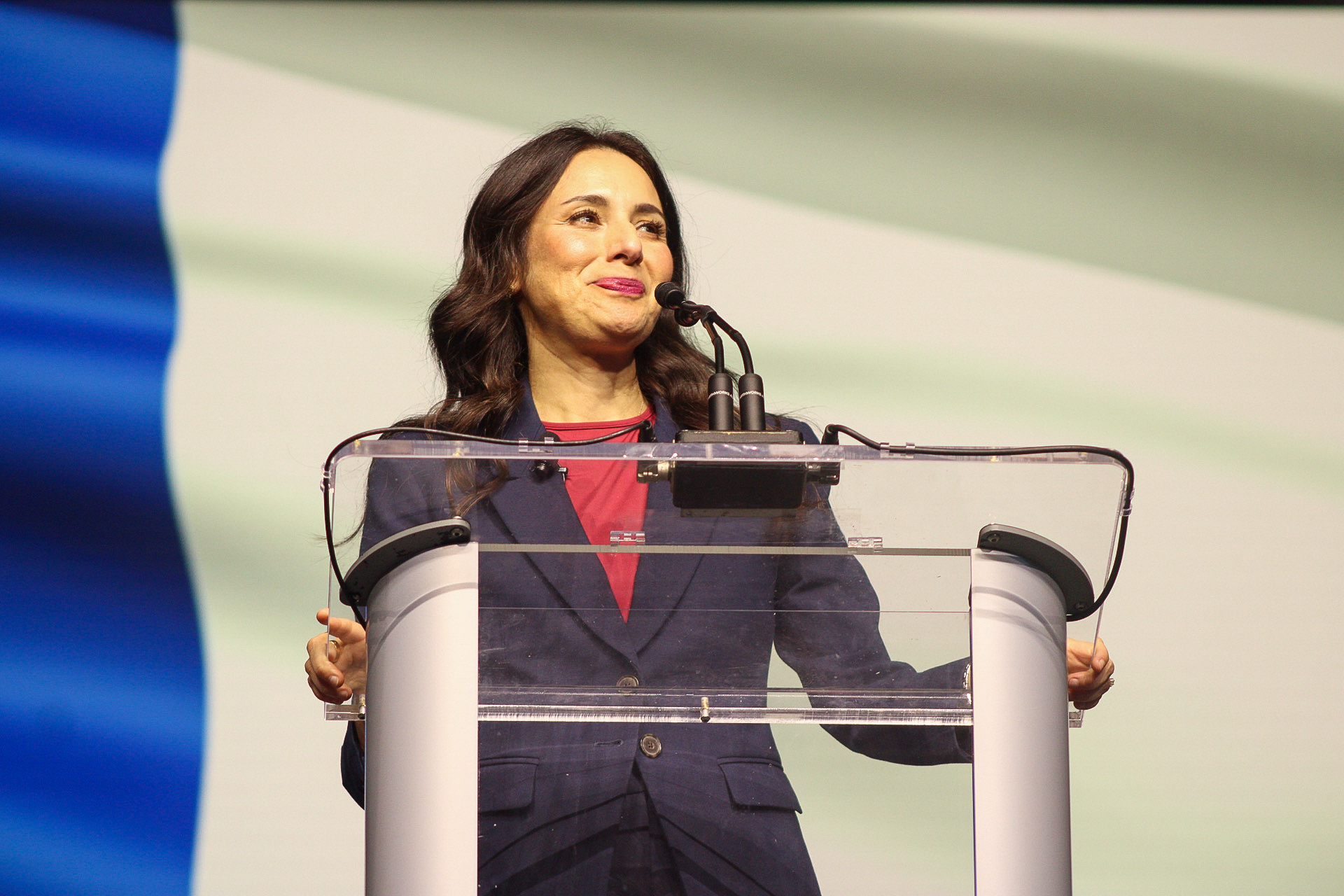
In a deeply personal 60-second ad aired in September ahead of the state’s midterm elections, Texas Democratic gubernatorial candidate Gina Hinojosa shares her tragic pregnancy loss story. More than two decades ago she and her husband were “overjoyed” expecting their first child until an “unimaginable diagnosis” of trisomy 18, a severe genetic condition, assured a fatal outcome.
“The doctor said I need you to understand she is not going to live,” said Hinojosa, her voice cracking through tears. “I did understand, but I was making that choice. I chose her.”
Hinojosa proceeds to say her daughter, who did not survive birth, is “why” she fights for Texas families’ “right to send their kids to good neighborhood schools. For an economy where their kids can afford to stay, where the powerful don’t get to tell the rest of us how to live.” Glaringly absent from the heartfelt political ad is any mention of reproductive rights, abortion, or Texas abortion laws. In fact, with anti-abortion undertones, the video could reasonably be interpreted as projecting a “pro-life” message to viewers unaware of Hinojosa’s robust pro-abortion legislative record during her almost 10 years serving in the Texas House. Reproductive rights advocates—while proudly and publicly endorsing Hinojosa as a gubernatorial candidate—told the Texas Observer that the campaign spot has even disappointed some in their community.
The “choice” Hinojosa so painfully explains she could have made many years ago—that is, between giving birth and undergoing abortion—is today, virtually non-existent as an option. The ad, likely meant to appeal to moderate and Republican voters, is a strategic one in what is considered a competitive race, at least based on recent polling.
“We have been encouraging candidates like Gina to speak about abortion access unapologetically and with clarity. When we don’t explicitly use the word abortion, we produce greater stigma and shame,” said raven Freeborn, chief executive officer at reproductive rights advocacy group Avow Texas. “This is a crisis that ends in death. It is necessary for our candidates to be brave, bold, and direct about abortion rights.”
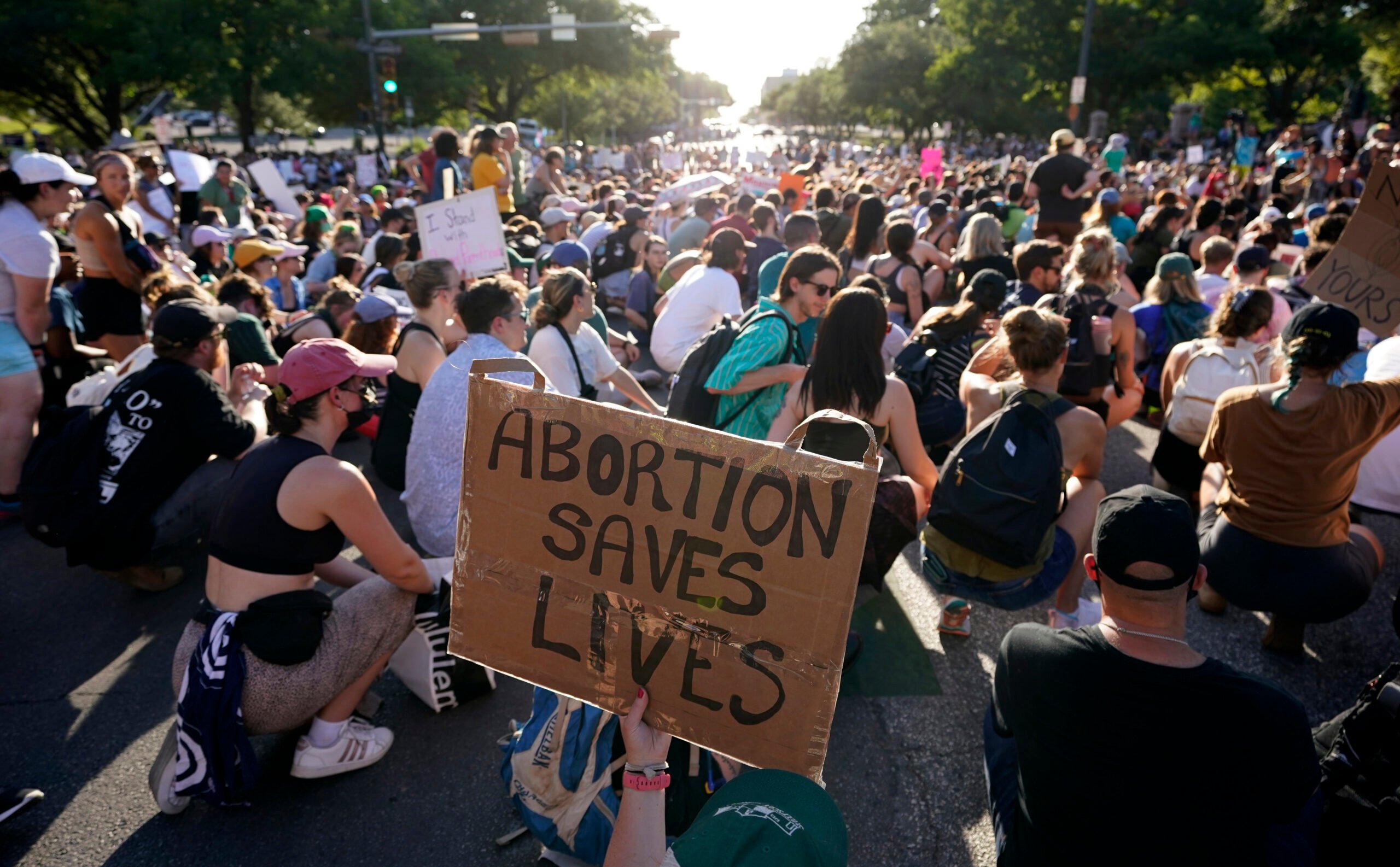
In a state that barred nearly all abortion care months prior to the fall of Roe v. Wade and enforces one of the strictest criminal bans in the nation, with no exception for rape, incest, or lethal fetal anomalies, and which has led to a devastating string of deaths amid a maternal mortality crisis) abortion rights would seem to naturally dominate the November midterm election cycle; instead, leading statewide Democratic candidates such as Hinojosa and Senate candidate James Talarico appear to be placing the issue on the back burner.
Freeborn says there is a “noticeable difference” between the way local and down-ballot candidates, like some running for the Texas House, are vocally embracing reproductive rights versus what candidates at the top of the ticket are saying, and that appears intentional.
While Hinojosa signaled she would help “do away” with the steep criminal penalties doctors face for performing abortion, including up to life in prison, during a recent Politico interview, she also admitted that widening abortion access “will not be my priority as governor because that takes way more than the election of a governor.” However, if elected governor, Hinojosa could certainly use her power to veto Republican-backed bills that come across her desk, set legislative priorities, and issue executive orders, as Governor Greg Abbottt did during the COVID-19 pandemic to temporarily block abortion care.
When asked to comment on concerns that the campaign is avoiding the issue of abortion rights, especially considering her opponent’s aggressive track record of championing anti-abortion policies, Hinojosa issued a statement that omitted the word. “[Abbott] has put countless women’s lives and fertility at risk because he decided we should be forced to carry sick babies that will not live. When I’m governor, I will make sure that Texas women have the right to make their own choices, and be able to do so with privacy and dignity.”
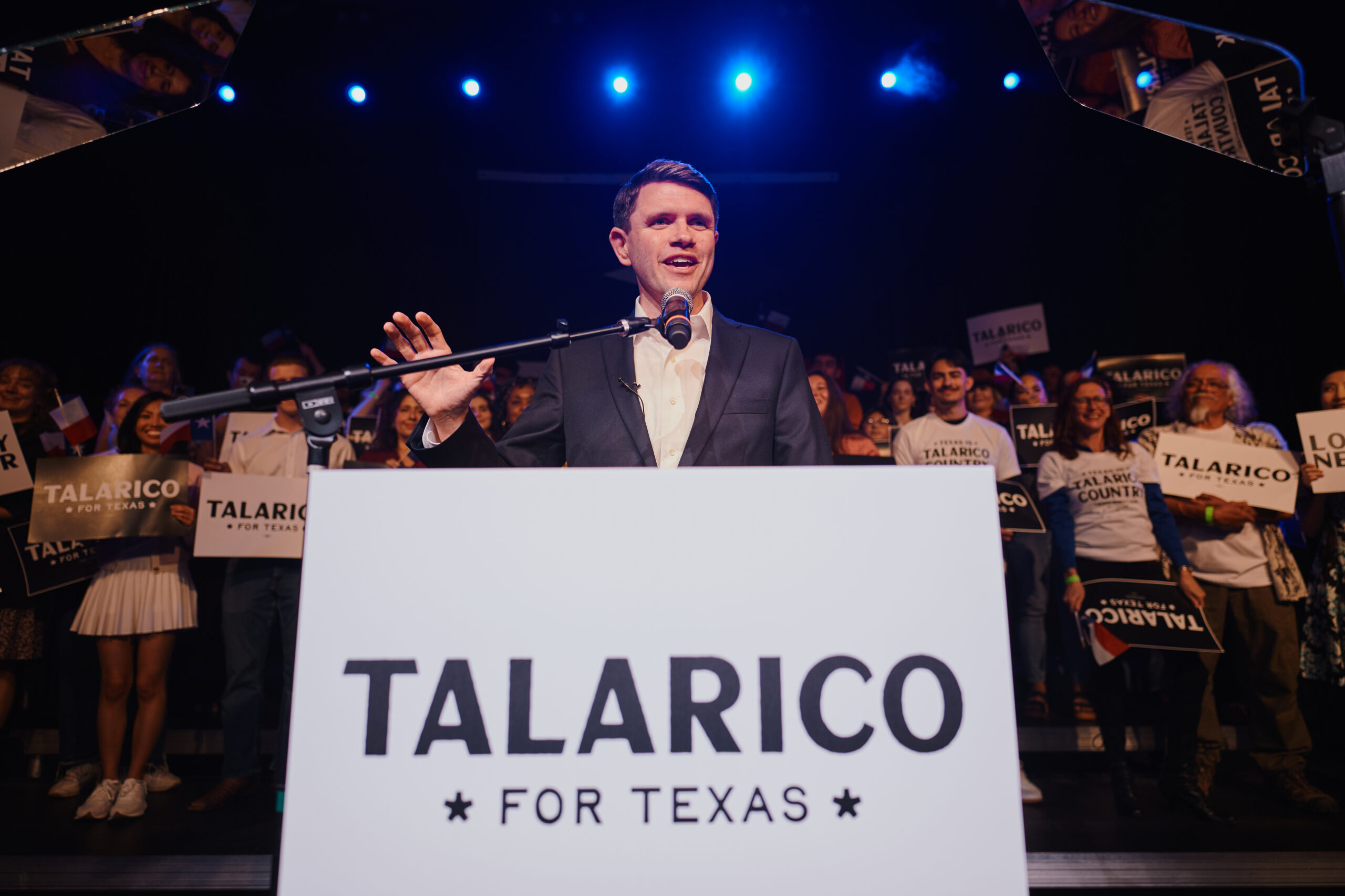
Hinojosa certainly isn’t alone. When asked about the issue during a recent CNN town hall, the Presbyterian seminarian and Austin state Representative James Talarico, vying for a U.S. Senate seat against Attorney General Ken Paxton, told an orthodox Catholic “pro-life” voter they could find “common ground” on abortion. He vocalized support for reducing abortions by decreasing the number of unplanned pregnancies through expanding access to sexual education and contraception. And drawing from his religious education, Talarico has continually asserted the Bible is “silent” on abortion. When asked by the Observer for a response to those who say he is not highlighting abortion enough, his campaign issued a laundry list of Paxton’s “disastrous” attacks on reproductive rights; yet Talarico doesn’t appear to be prioritizing exposing his opponent’s vast anti-abortion record on the campaign trail.
For Democratic state Senator Nathan Johnson, who is hoping to replace Paxton as the next Texas attorney general over Republican Mayes Middleton, abortion rights are omitted as a priority on his campaign website, a stark departure from previous Dem AG candidate Rochelle Garza, who made the issue a key focus of her run in 2022—when Roe was overturned—and vowed to stop enforcement of the law.
Paxton has wielded the power of the attorney general’s office to zealously defend the state’s extreme abortion laws, threatening hospitals, doctors, and abortion funds with legal action, and fighting in court against nearly two dozen women who suffered under the ban. As attorney general he opposed federal emergency protections for pregnant Texans; criminally charged and sought to imprison a Houston midwife for alleged abortion care; and is currently facing a lawsuit from the family of Tierra Walker, a Texas woman who died as a result of the state’s ban.
“Paxton is such a clear target for Talarico, there is so much available to criticize when it comes to abortion rights,” said Freeborn. “But candidates are not seizing these moments, it feels like such a wasted opportunity.”

One factor at play is the perceived lessons gleaned from unsuccessful campaigns of the the recent past. Elevated by her 13-hour filibuster meant to defeat a package of abortion bills, former state Senator Wendy Davis ultimately lost her 2014 bid for governor, after being smeared “Abortion Barbie,” by the right wing. In reality, Davis sought to distance herself—or at least moderate her stance—from the very issue that propelled her, saying she would support a 20-week abortion ban (albeit if deference is given to the woman and her doctor), drawing ire from abortion rights advocates. Beto O’Rourke, easily bested by Abbott in his 2022 gubernatorial campaign, promised to rescind the state’s abortion ban and widen reproductive health care if he ascended to governor. And presidential candidate Kamala Harris chose Houston to host a heavily attended pro-abortion campaign rally in 2024 before her defeat by Trump.
“One of the things that you’re seeing in this election cycle is largely an avoidance of an issue that has been front and center in many previous elections,” said Joshua Blank, Texas Politics Project research director at the University of Texas at Austin. “Democrats feel that campaigning around abortion would be a losing issue for them right now.”
However, recent polls show Texans are widely supportive of abortion rights, with even a decline among Republicans advocating for stricter abortion policies since the state’s laws went into effect. Nearly 40 percent of Texans strongly disapprove of how lawmakers have handled abortion policy and 43 percent believe abortion laws should be less strict, according to polls conducted this summer by the Texas Politics Project. And a 2025 study from the University of Houston’s Hobby School of Public Affairs found that almost half of Texans want the Texas Legislature to pass laws that make it easier to access abortion. An overwhelming majority, more than 80 percent, believe exceptions for rape and incest should be allowed as well as abortion in the event of a lethal fetal diagnosis.
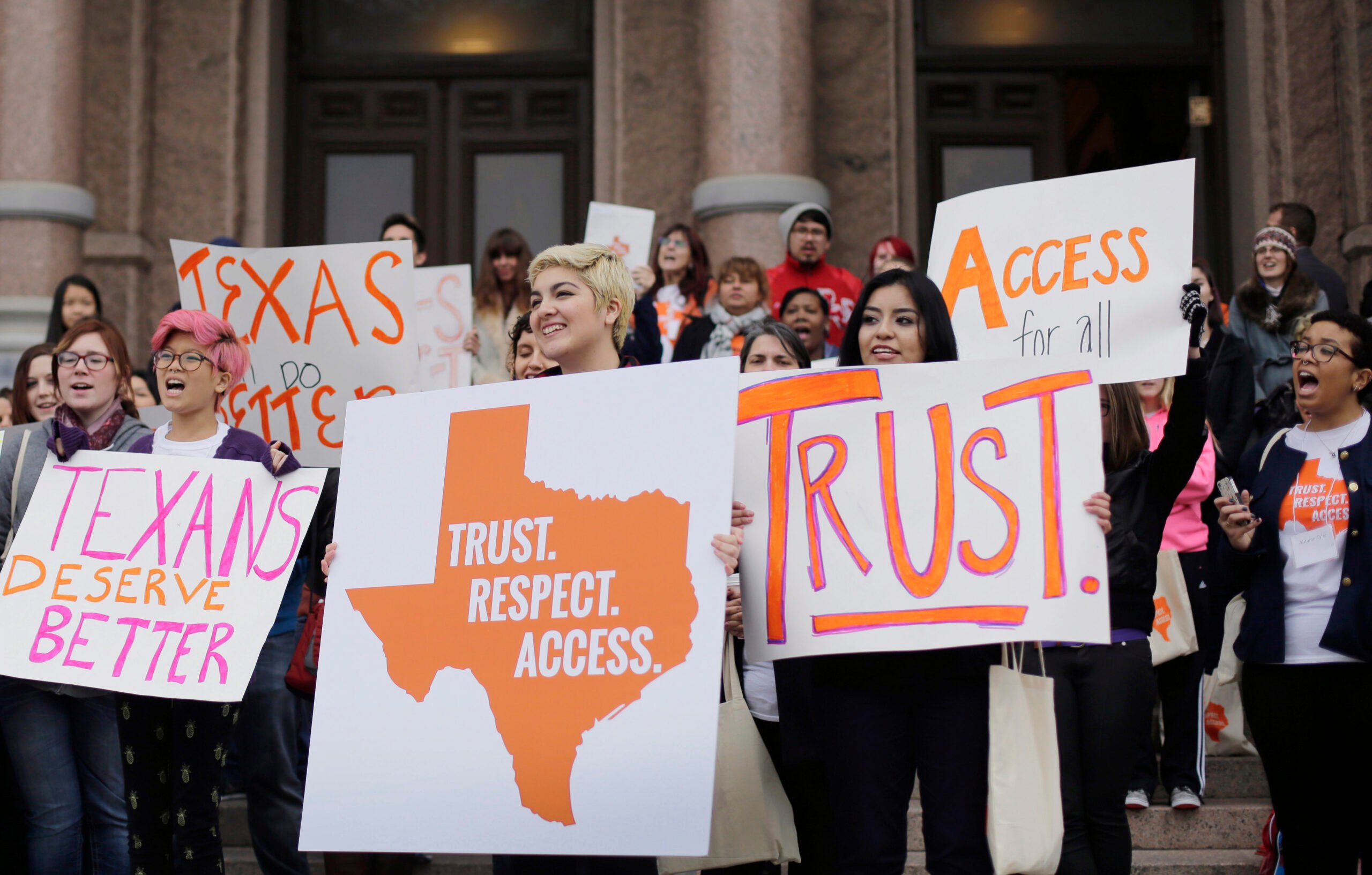
Shellie Hayes-McMahon, executive director of Planned Parenthood Texas Votes, the group’s electoral arm, said that while Democrats are clearly “shying away” from abortion this election cycle, reproductive rights are still at the top of mind for Texans facing some of the most punitive laws in the nation.
“I don’t think abortion access is being talked about enough this election cycle. It is not a priority issue on the campaign trail right now because Democrats are extra cautious,” said Hayes-McMahon.“But abortion is still a very important issue for voters, for families in Texas. These bans are literally killing women in Texas. How can it not be?”
Blank points out that the affordability crisis has dominated the midterm campaign cycle and for good reason, as rising fuel, housing, and food prices make the everyday cost of living untenable for some Texans. When the economy is strained, it tends to “crowd out” what are classified by political strategists as “social” issues like abortion care, he said. (Hinojosa exemplified this during a recent Texas Tribune interview by saying, “I live in reality. My agenda is an economic agenda. I have no interest in being in the space of culture wars.”)
“Democrats are trying to stay laser focused on the economy because they feel it provides them with the best chance of winning, even if that means they’re going to ignore some issues that are really important to their voters,” Blank said.
Yet relegating abortion to merely a “culture war” issue is myopic, reproductive rights advocates argue. Abortion is inextricably tied to affordability, especially in Texas where the trek out of state for legal care—which may include gas, flights, hotel stays, and lost wages—can total thousands of dollars. Those Texans who are unable to obtain access and forced into parenthood must contend with escalating child care costs—and state-led cuts to assistance —amid inflation. Studies show denying women that access is linked to household poverty. In a recent lawsuit against anti-abortion activists, Texas mother Maria Puerto quantified the price of not having the economic resources to travel across state lines for care: Forced into two pregnancies while struggling as a single parent earning minimum wage, Puerto has requested $459,782– the average cost of raising two children in the state of Texas.
And Texas abortion bans may be hurting the economy overall. A study from the Institute for Women’s Policy Research estimates that the laws cost the state nearly $15 billion annually in financial losses for women and businesses.
“The ability to plan the size of your family is directly related to your financial security,” said Yvonne Gutierrez, executive director with Reproductive Freedom For All. “Reproductive rights are not just a social issue like some politicians want you to believe, they are absolutely intertwined with economic freedom. You cannot untangle them.”
Still, not all Democratic candidates seem worried about speaking explicitly about abortion. Joining advocates during a recent rally outside the Department of State Health Services to demand the release of delayed maternal mortality data, state representative and candidate for lieutenant governor Vikki Goodwin stood as the sole statewide political candidate to attend the event. “Women are leaving this state because they don’t feel safe being pregnant in Texas. That is unacceptable,” she said, sharing that her daughter only felt comfortable giving birth outside Texas. Goodwin’s campaign website lists an action plan for reproductive health care, including a targeted call to repeal Texas abortion laws.
“I think there’s hesitancy from some of the statewide candidates to make abortion a central issue, that it may harm their campaign,” Goodwin told the Observer in an interview. “But I think it’s just the way you talk about it. I don’t think anyone wants to see women dying during pregnancy. … It’s something that’s incredibly important to me, and it will be a high priority when I’m lieutenant governor.”
You May Also Like
Women’s Lives Are on the Ballot This November
Representative Jasmine Crockett warns of another Trump presidency on the 51st anniversary of Roe v. Wade.
A Paris to Marfa March for Reproductive Rights
A West Texas teenager says she’s only begun to fight for access to livesaving care.
After Dobbs, Native People Face a Web of Obstacles to Reproductive Care
In addition to external constraints, many tribal governments appear reluctant to actively fight for abortion access.