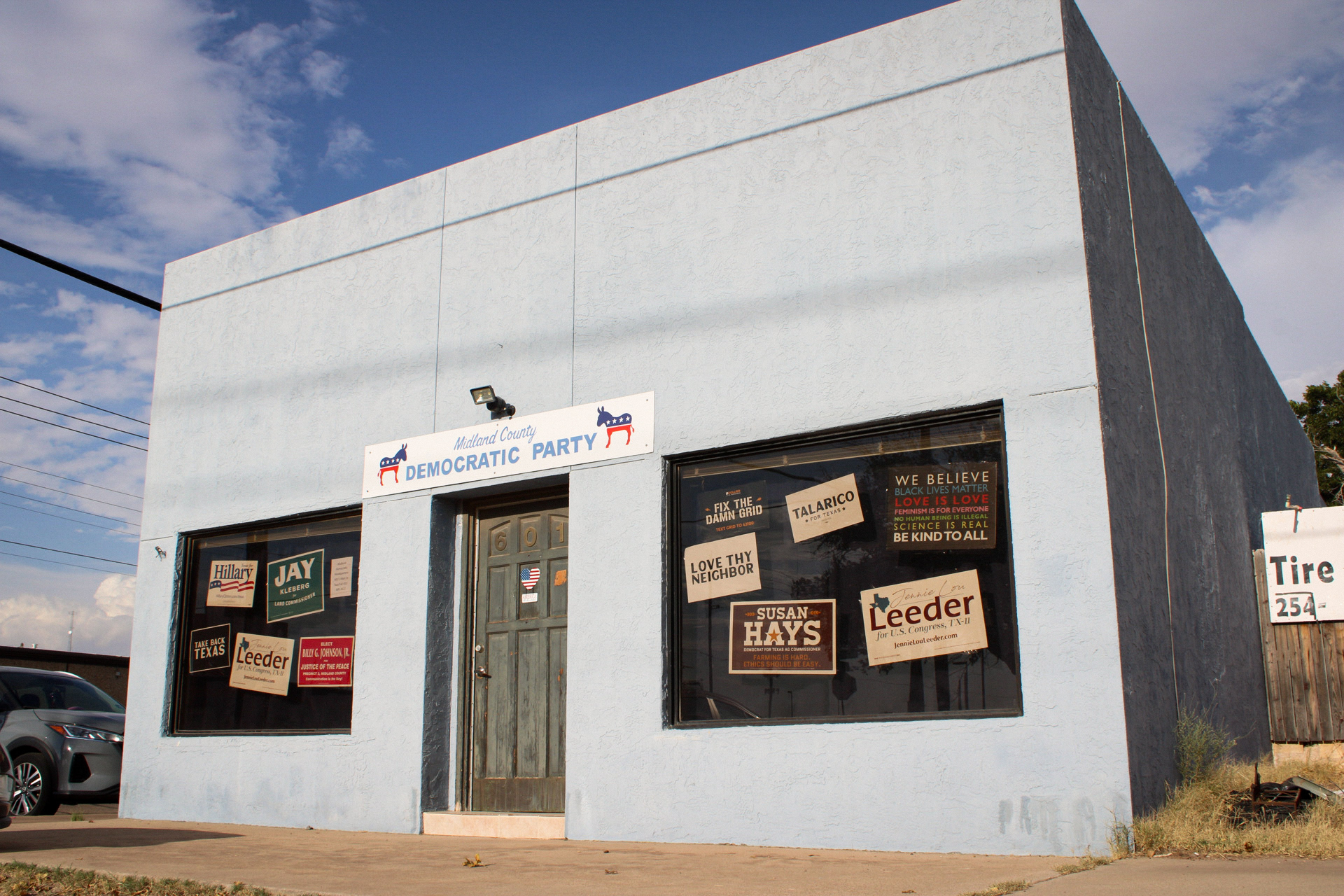
‘Up Against a 500-Pound Gorilla’: Can Dems Make Inroads in Deep-Red West Texas?
With a candidate on the ballot in every state and federal race, the minority party is trying hard to gain some ground in the GOP’s electoral firewall.
Since 1954
With a candidate on the ballot in every state and federal race, the minority party is trying hard to gain some ground in the GOP’s electoral firewall.
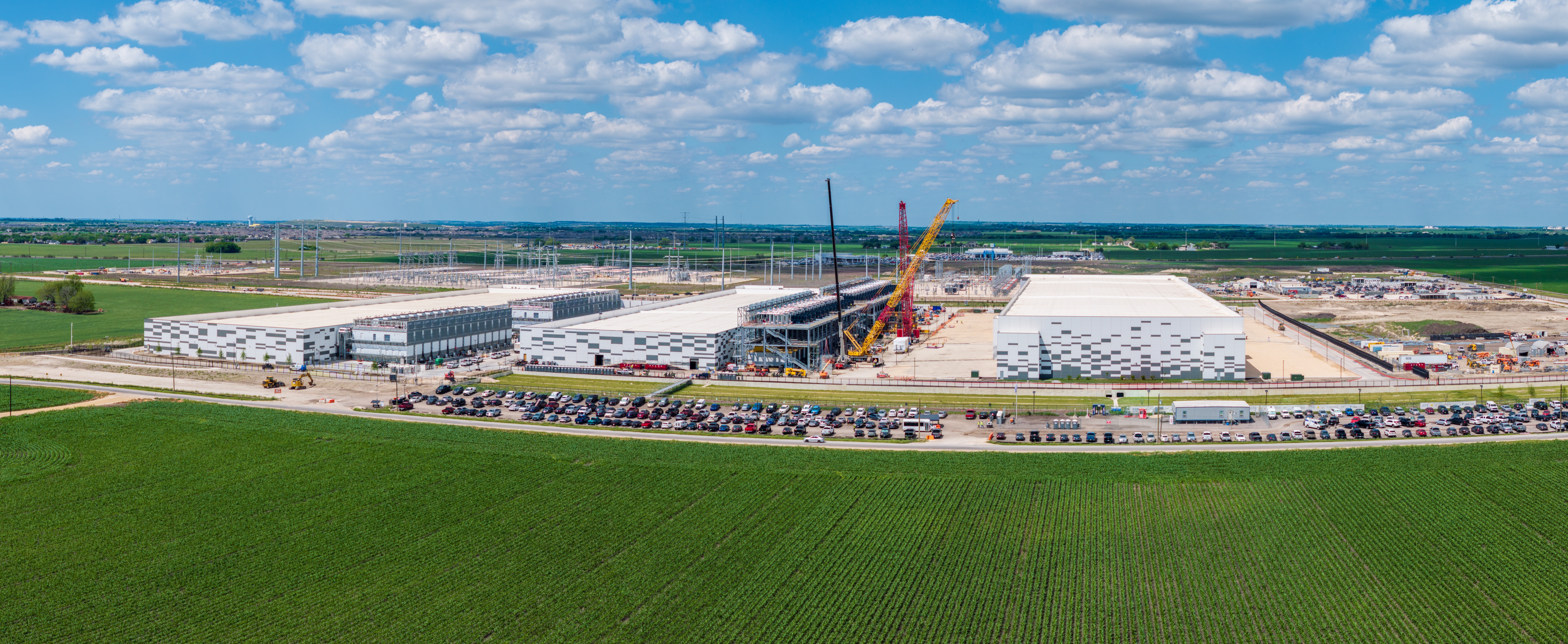
Legislators are (sort of) beginning to grapple with the grim costs that come with the state’s data center boom.
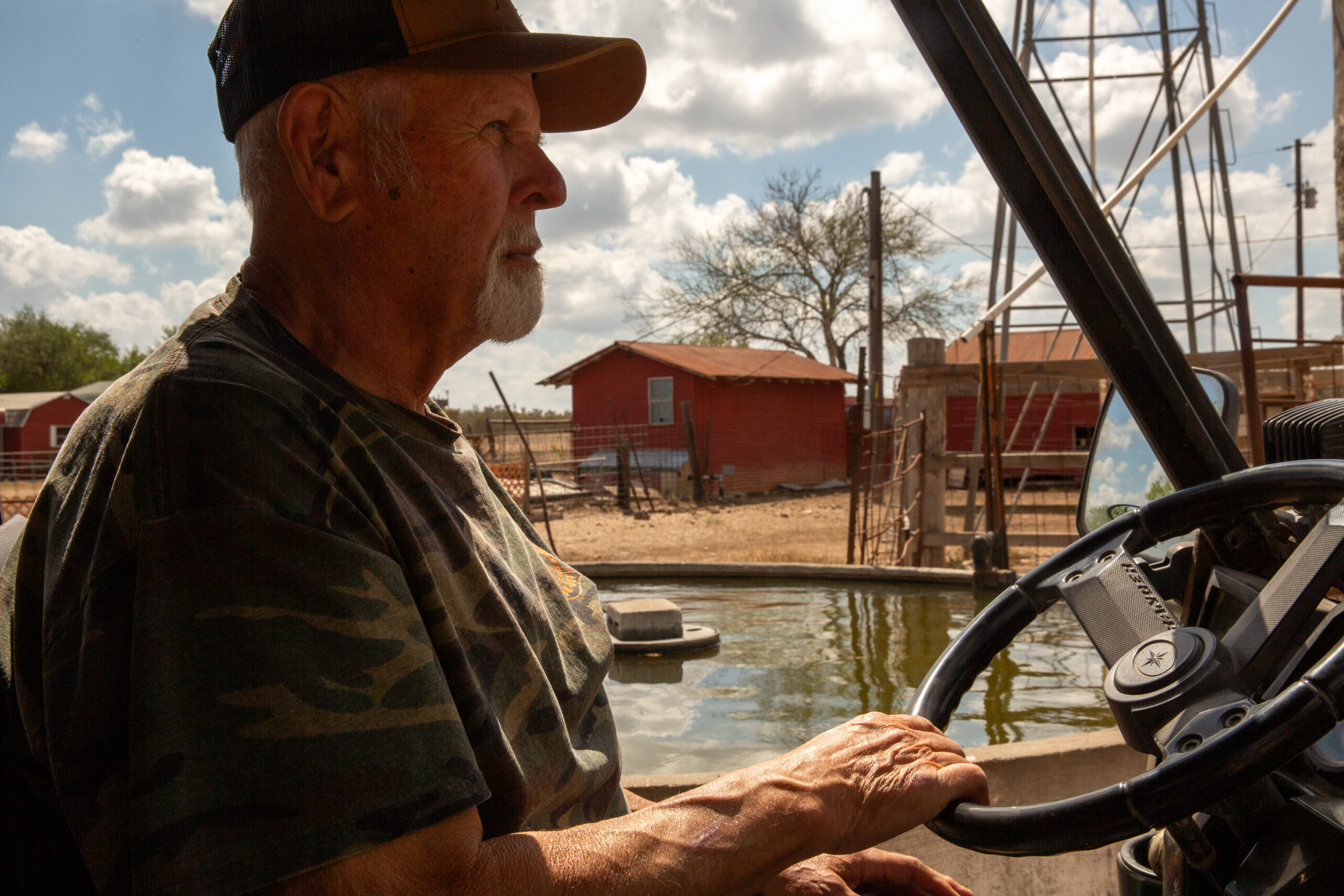
Cities, towns, and industrial complexes aim to quickly pump tens of millions of gallons per day in a bid to avert disaster.
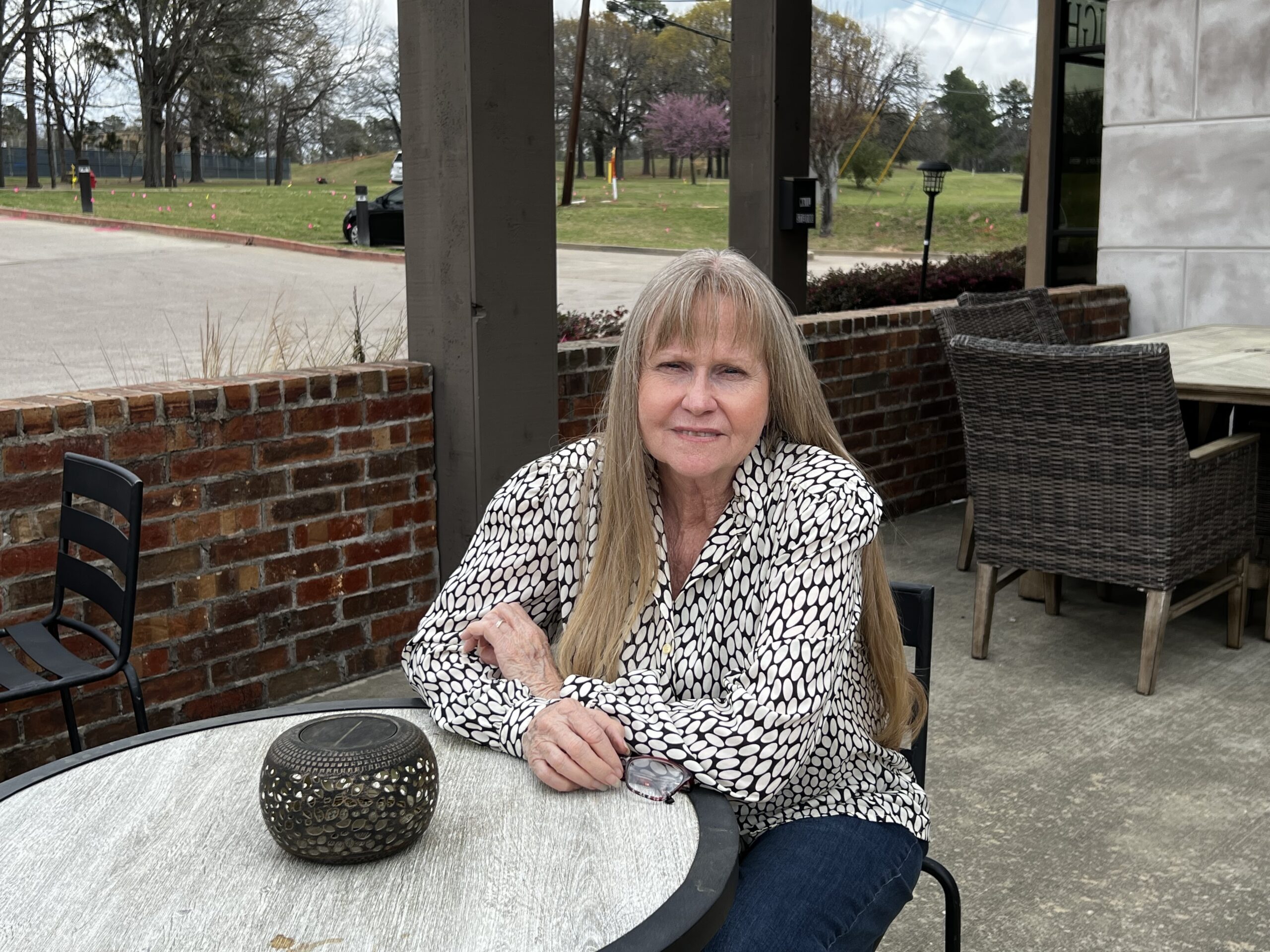
Scarcity of mental health resources, prevalence of guns, and stigma all contribute to the region's high suicide rates.
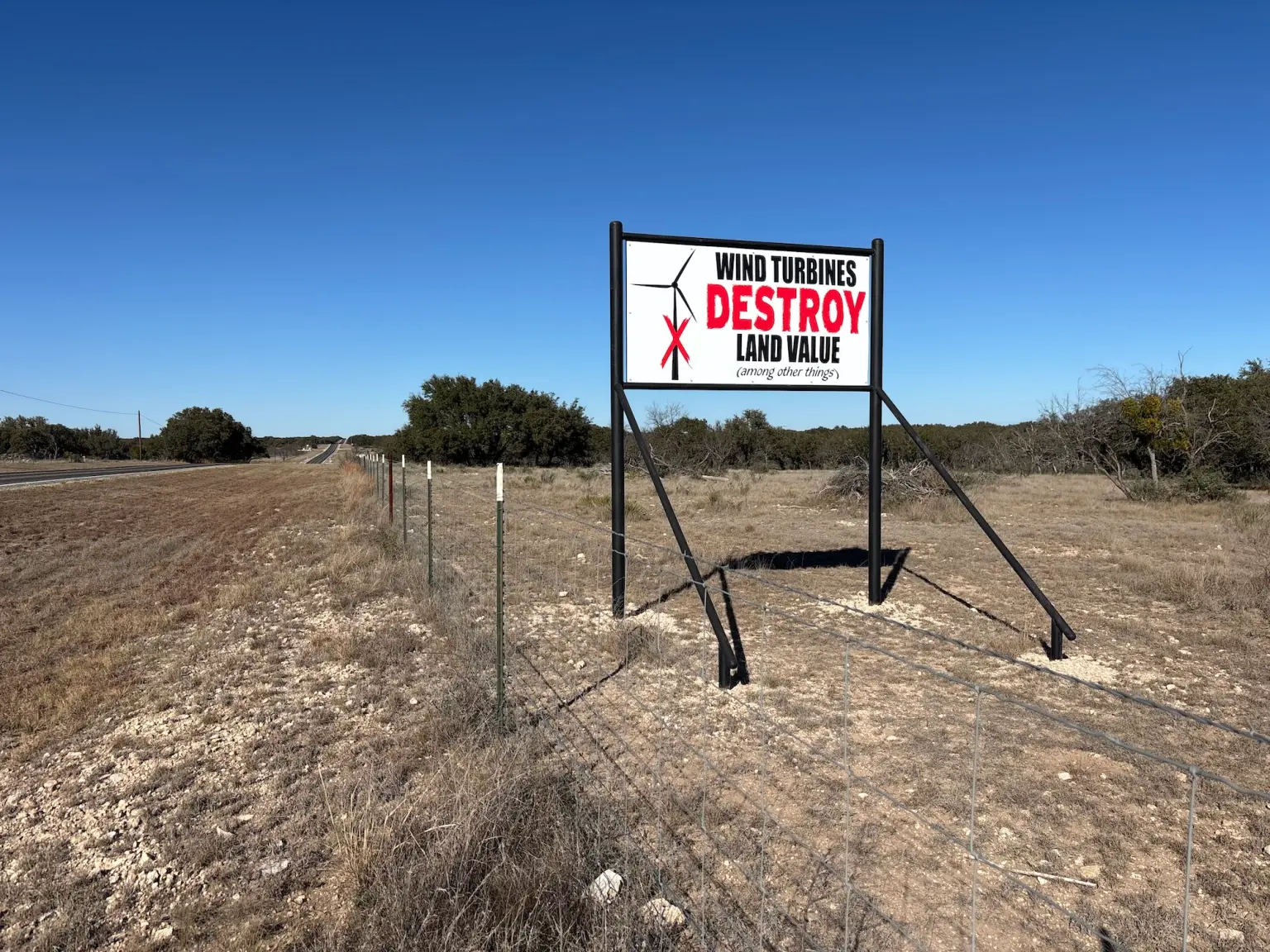
Renewables brought income to ranchers and tax revenue to counties long buffeted by boom-and-bust oil cycles. Policy changes in Washington and unease on the ground threaten that momentum.
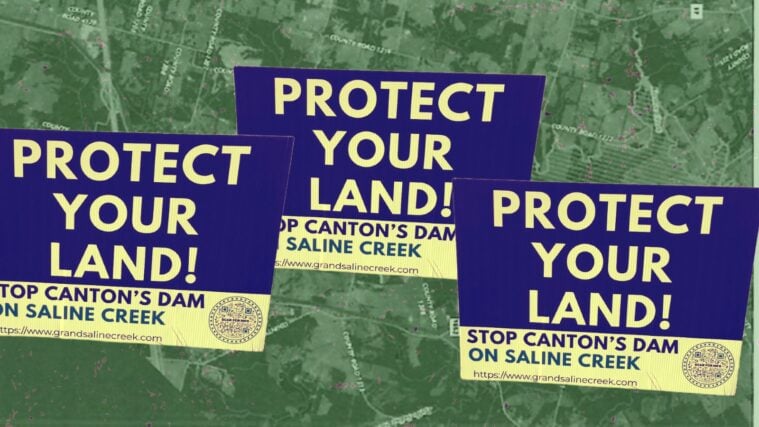
In Van Zandt County, a fight over water rights, government transparency, and land ownership came to a head with a proposed dam project.
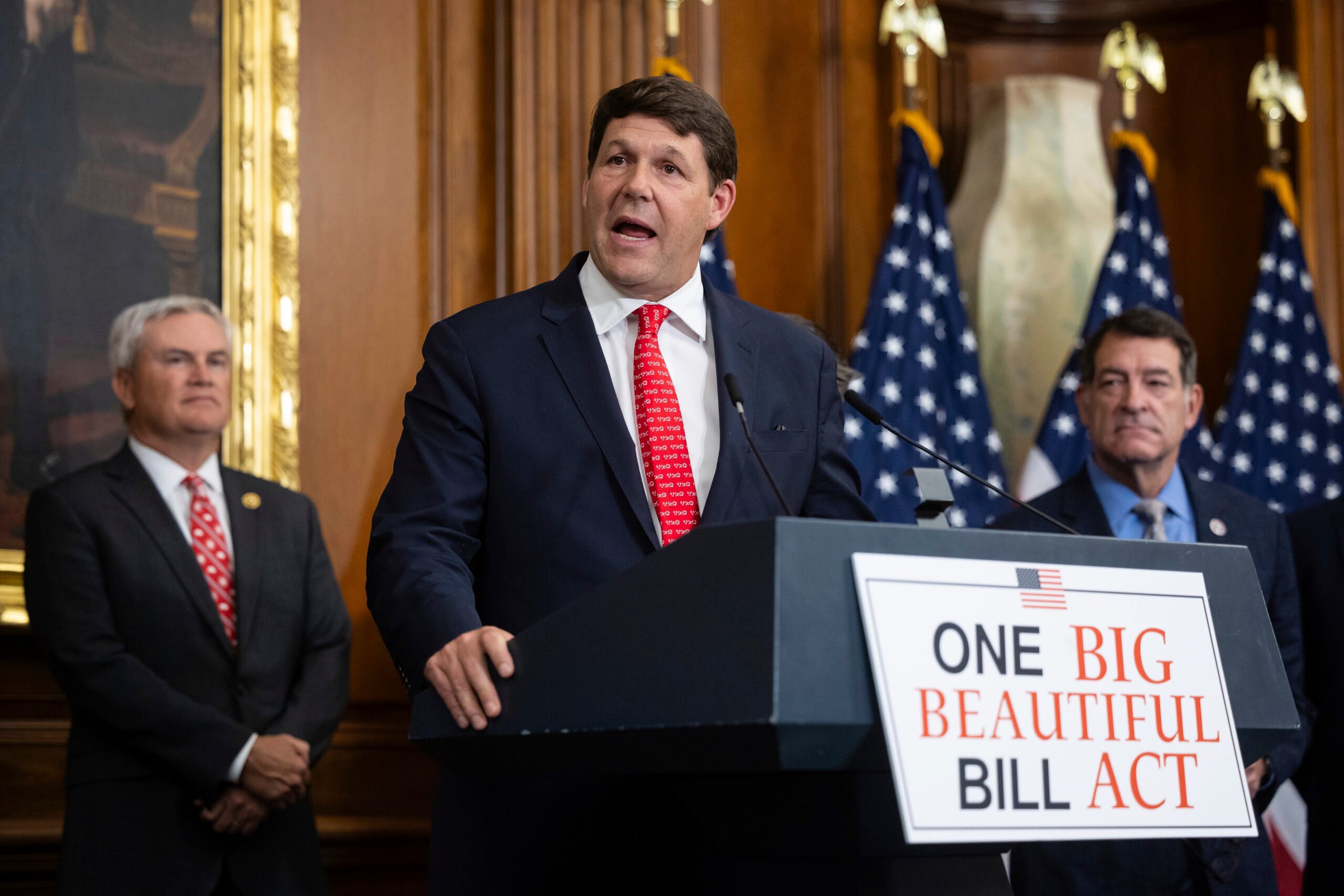
Jodey Arrington was the House architect of Trump’s massive tax-and-spend bill that includes steep healthcare cuts.
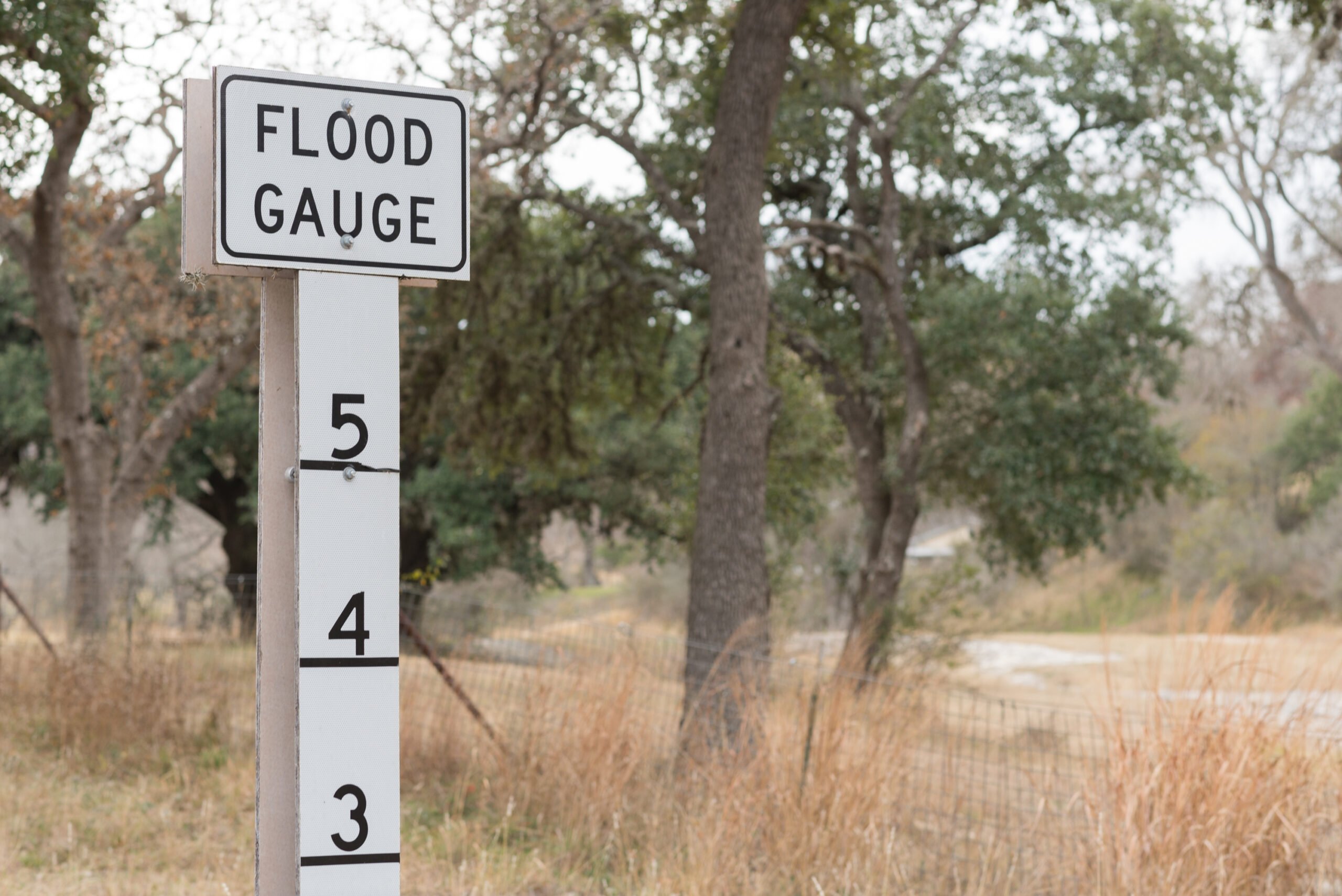
A federally funded project at Rice University is trying to tackle that problem—but in just two counties so far.

Public officials at all levels are propping up a Texas Bitcoin mining boom that’s threatening water and energy systems while afflicting locals with noise pollution.
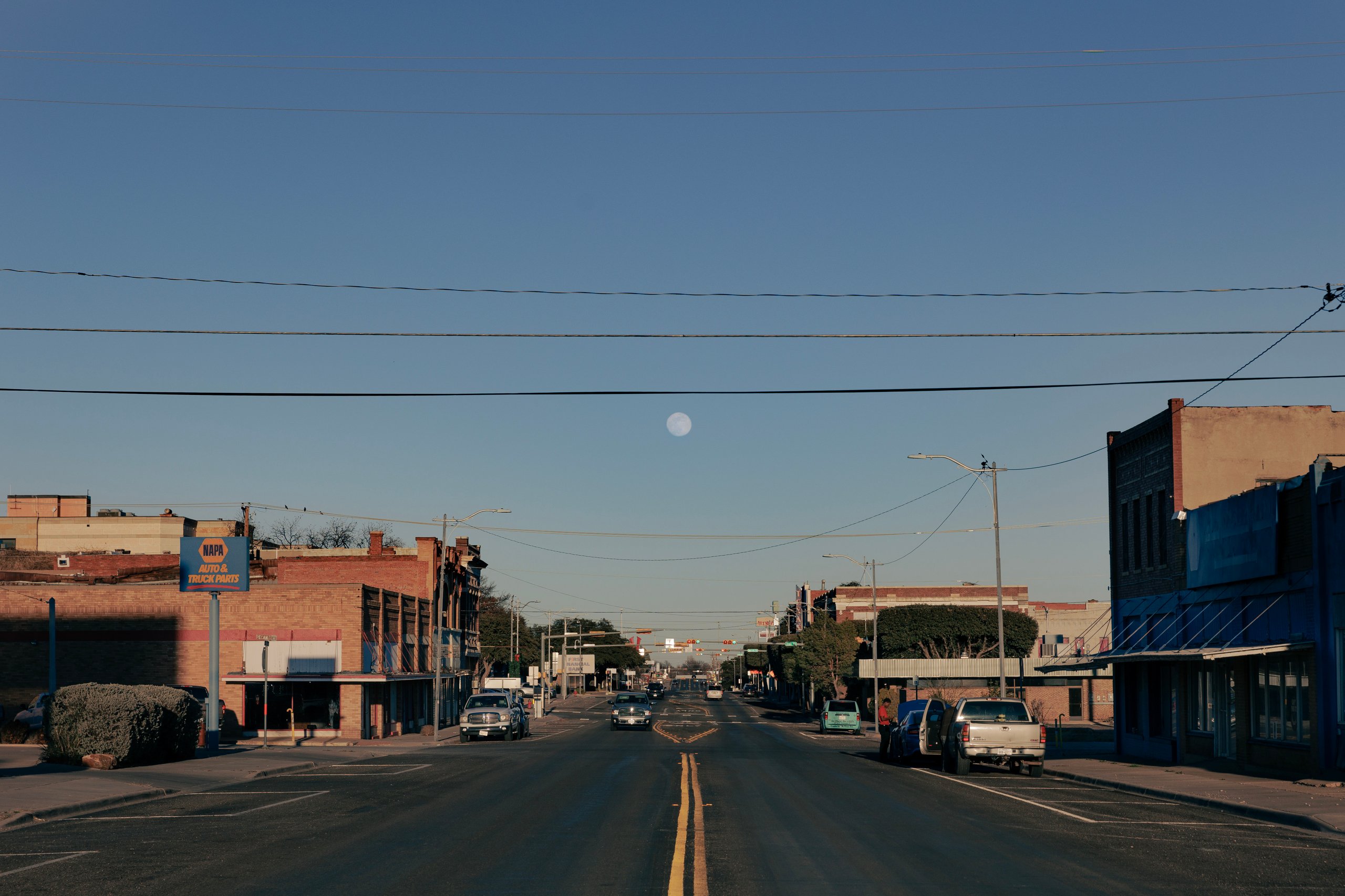
Against long odds, Sweetwater’s public hospital recruited counselors to help address a wave of mental health crises in rural Texas—yet struggles continue.