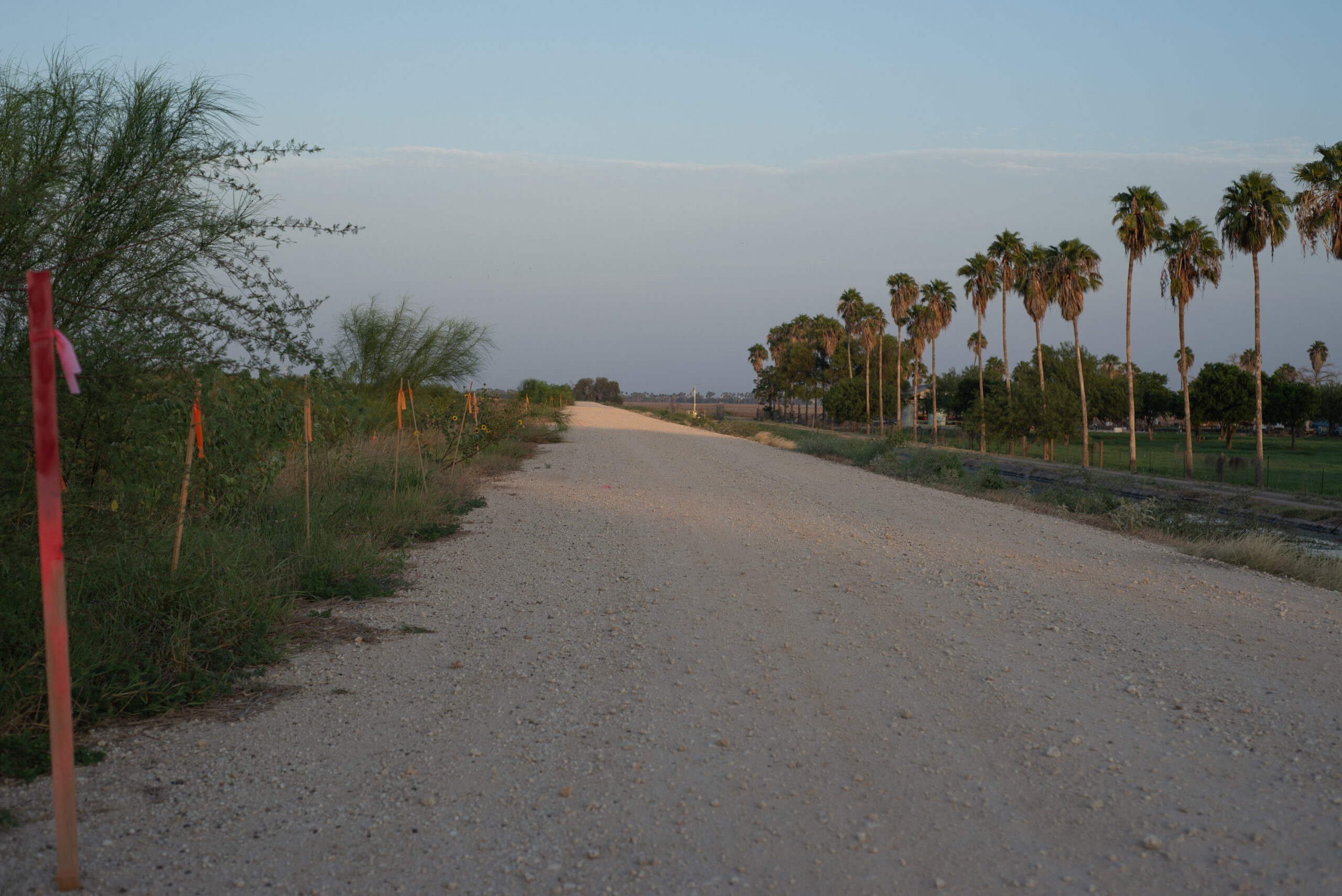
Santa Ana’s Last Stand
Congress repeatedly shielded the Santa Ana National Wildlife Refuge from the border wall. Now, construction has begun—and an irrigation district lawsuit may be the only option left to buy time for lawmakers to act.
Since 1954
Congress repeatedly shielded the Santa Ana National Wildlife Refuge from the border wall. Now, construction has begun—and an irrigation district lawsuit may be the only option left to buy time for lawmakers to act.
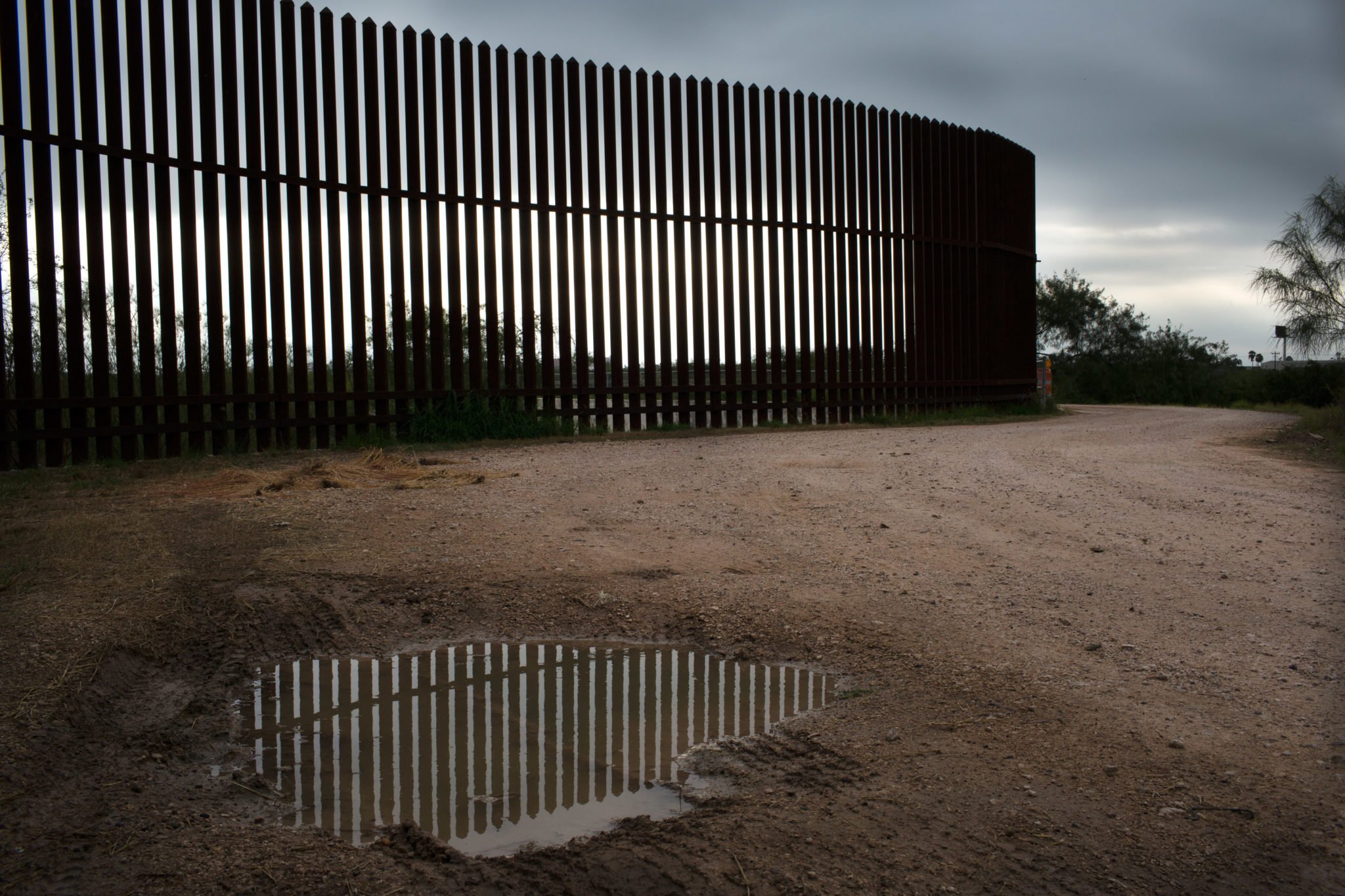
New maps show that the president means to build through 162 tracts of private land in Roma, Rio Grande City and La Grulla, possibly razing a number of homes in the process.
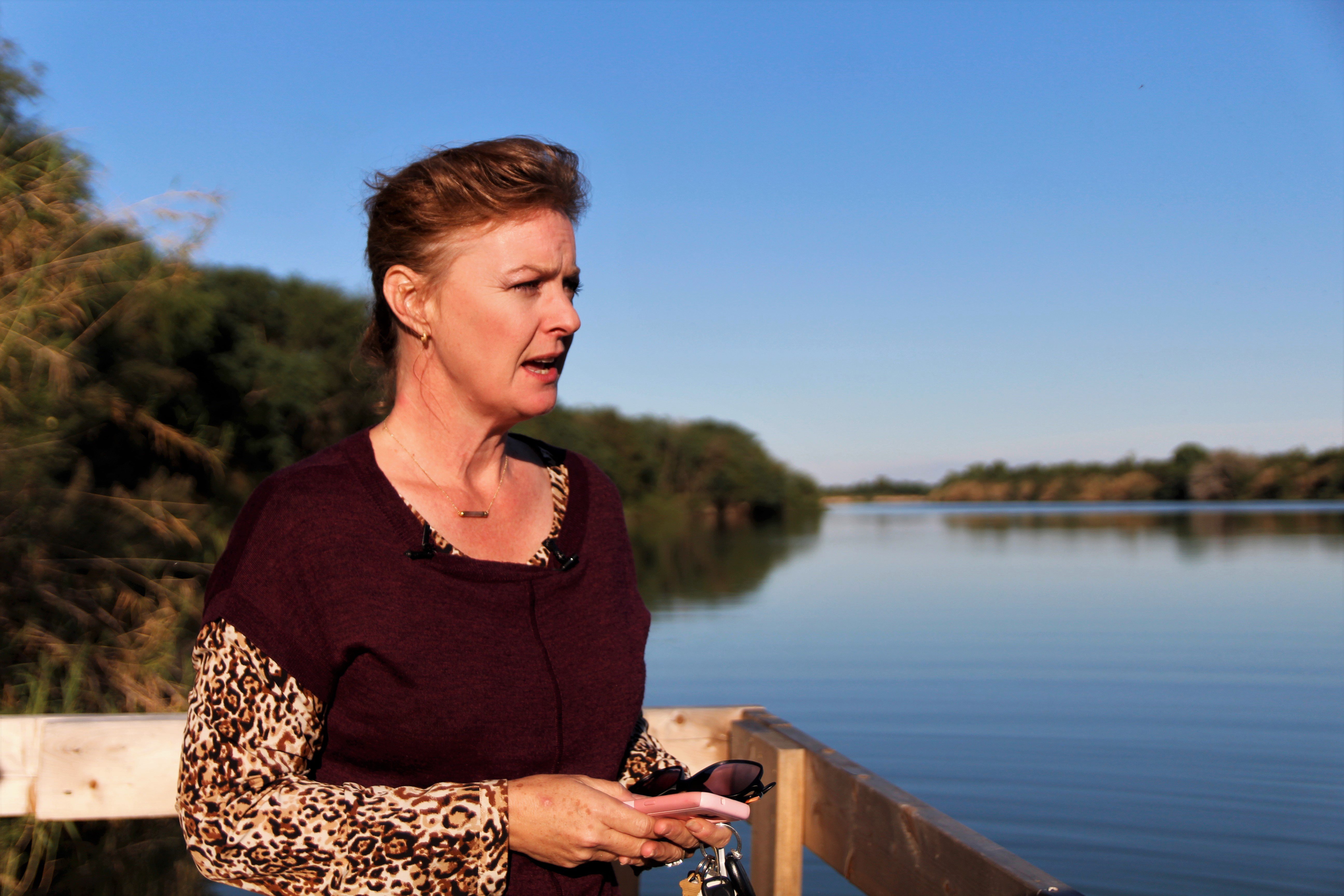
"When did the U.S. government get in the business of giving away the United States of America?" asked the director of a South Texas butterfly refuge.
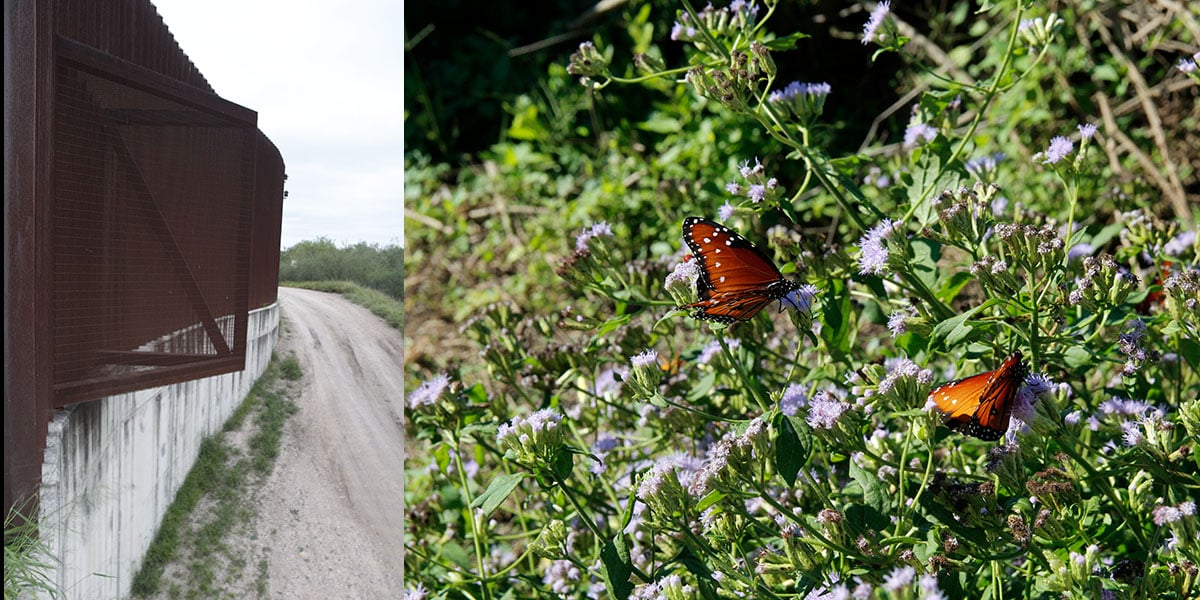
Trump's wall is headed for a 100-acre butterfly sanctuary in Texas. CBP officials are just now providing basic information to the refuge's leaders.

Texas is a super-user of federal housing programs, but the shutdown has brought loans, tax credits and rental assistance to a screeching halt, hurting poor Texans the most.
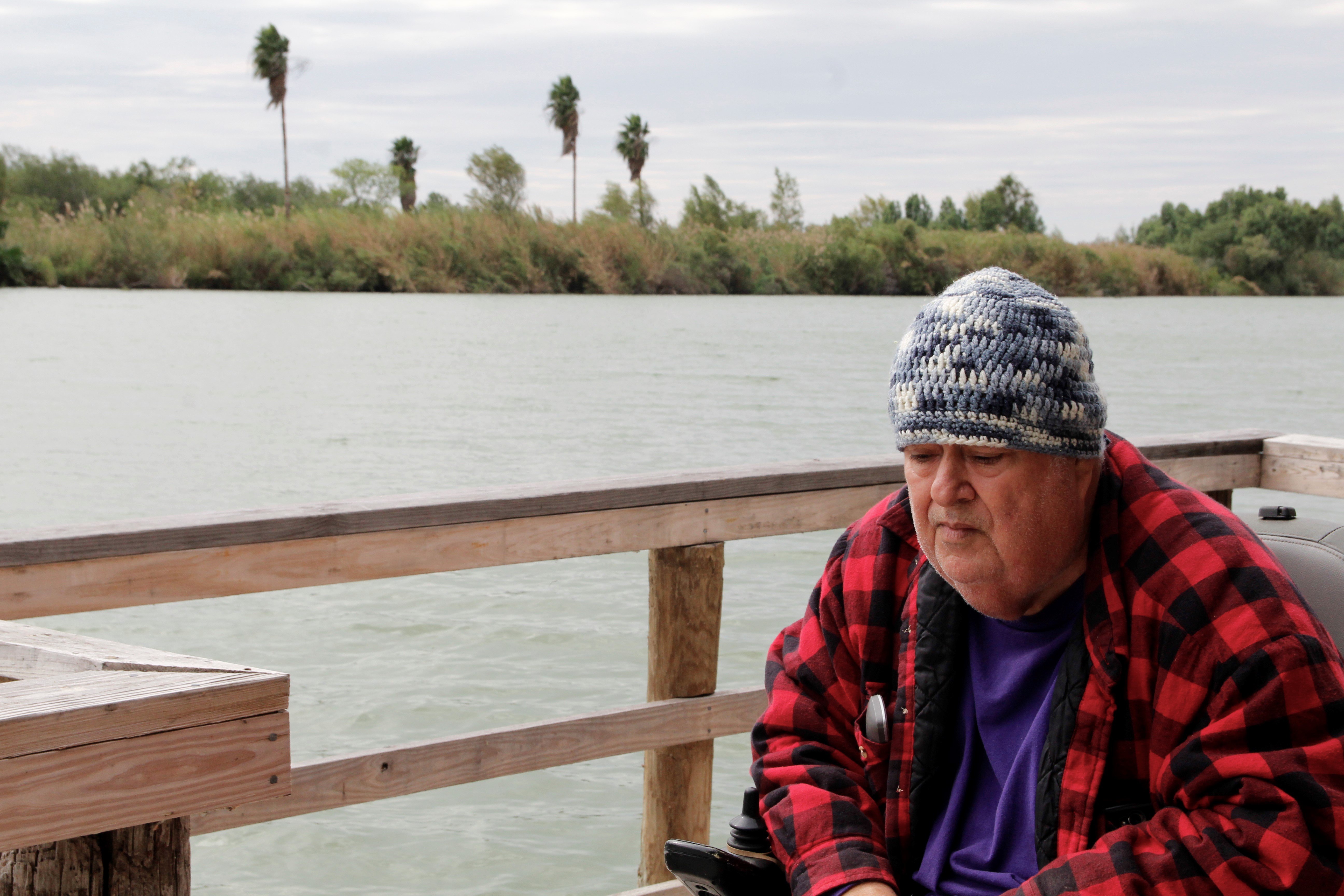
As soon as February, the border wall is headed for a state park, a butterfly refuge and the land of a Hispanic family who’s called the Rio Grande Valley home since before it was the United States.
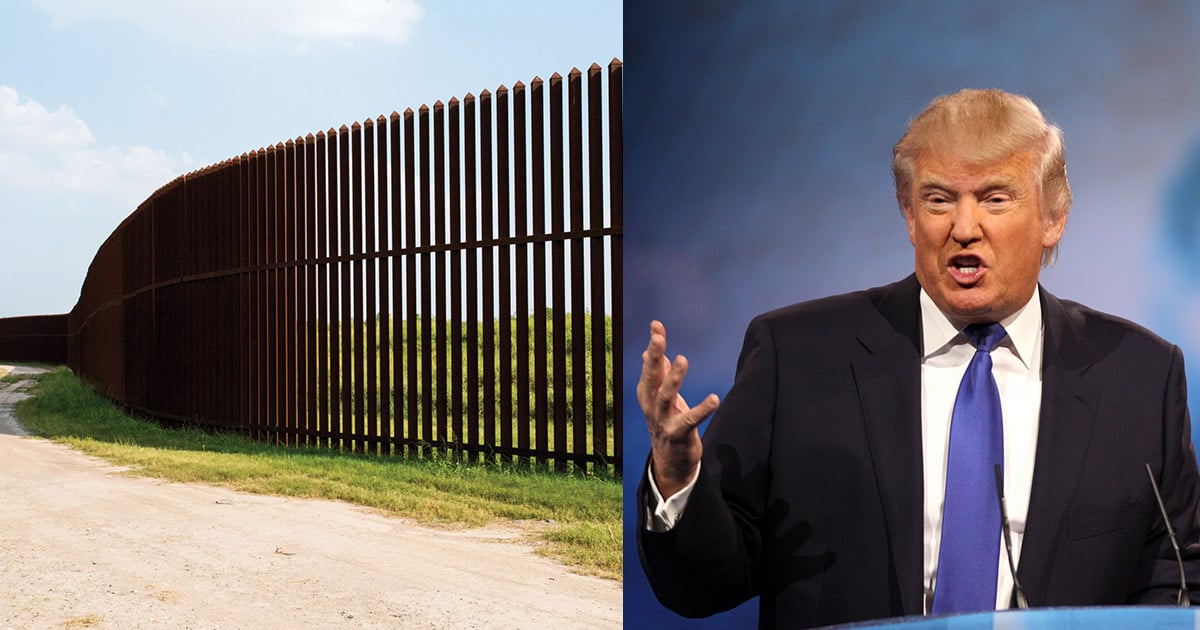
The Wall started as an applause line at Trump’s campaign rallies, and has morphed into one of the dumbest policy debates in the history of American politics.
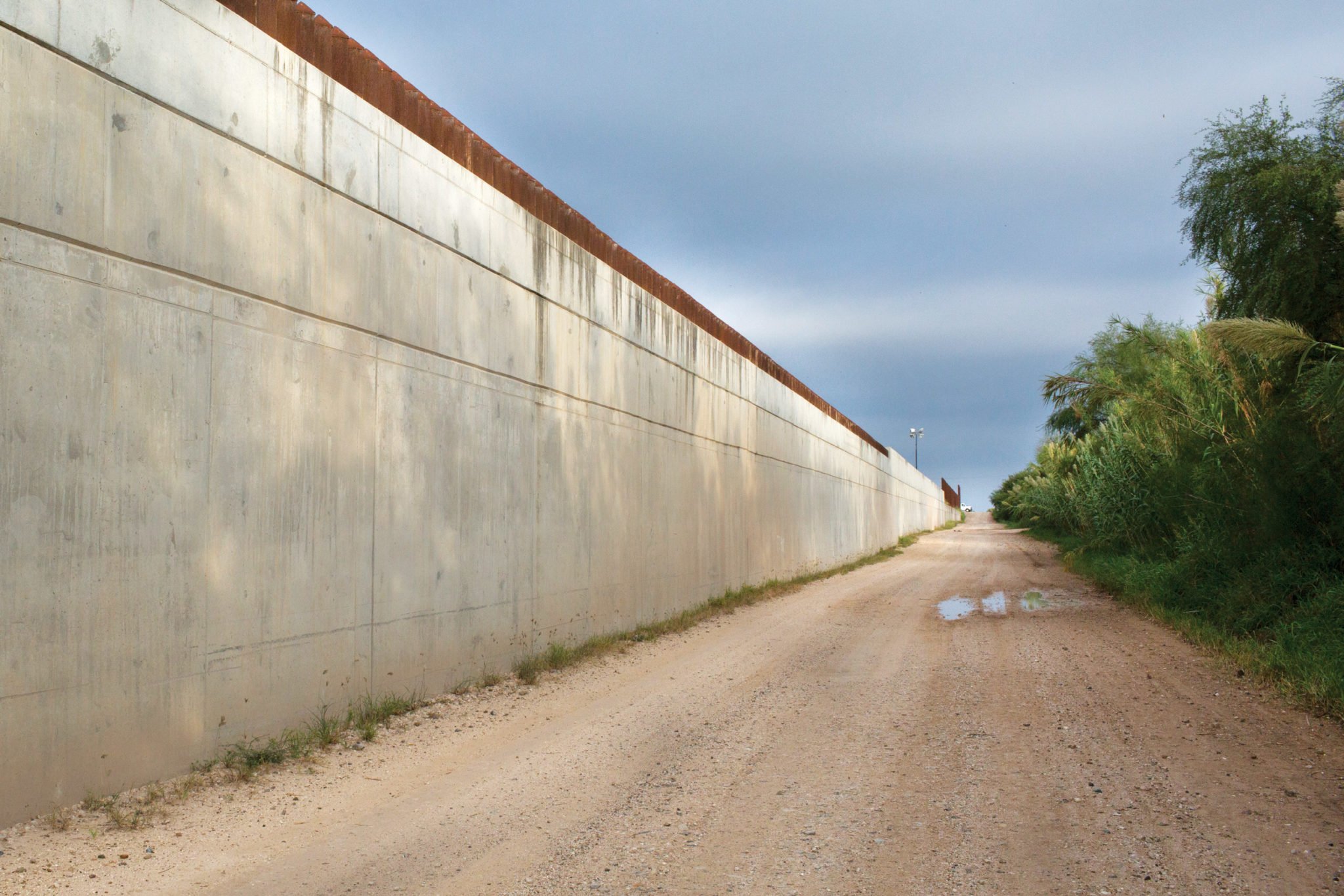
“Steel slats, concrete barriers, or bollard-style fences – they are all the same,” said a McAllen congressman. “I will not stand by as some of my fellow Democrats fall into this trap.”
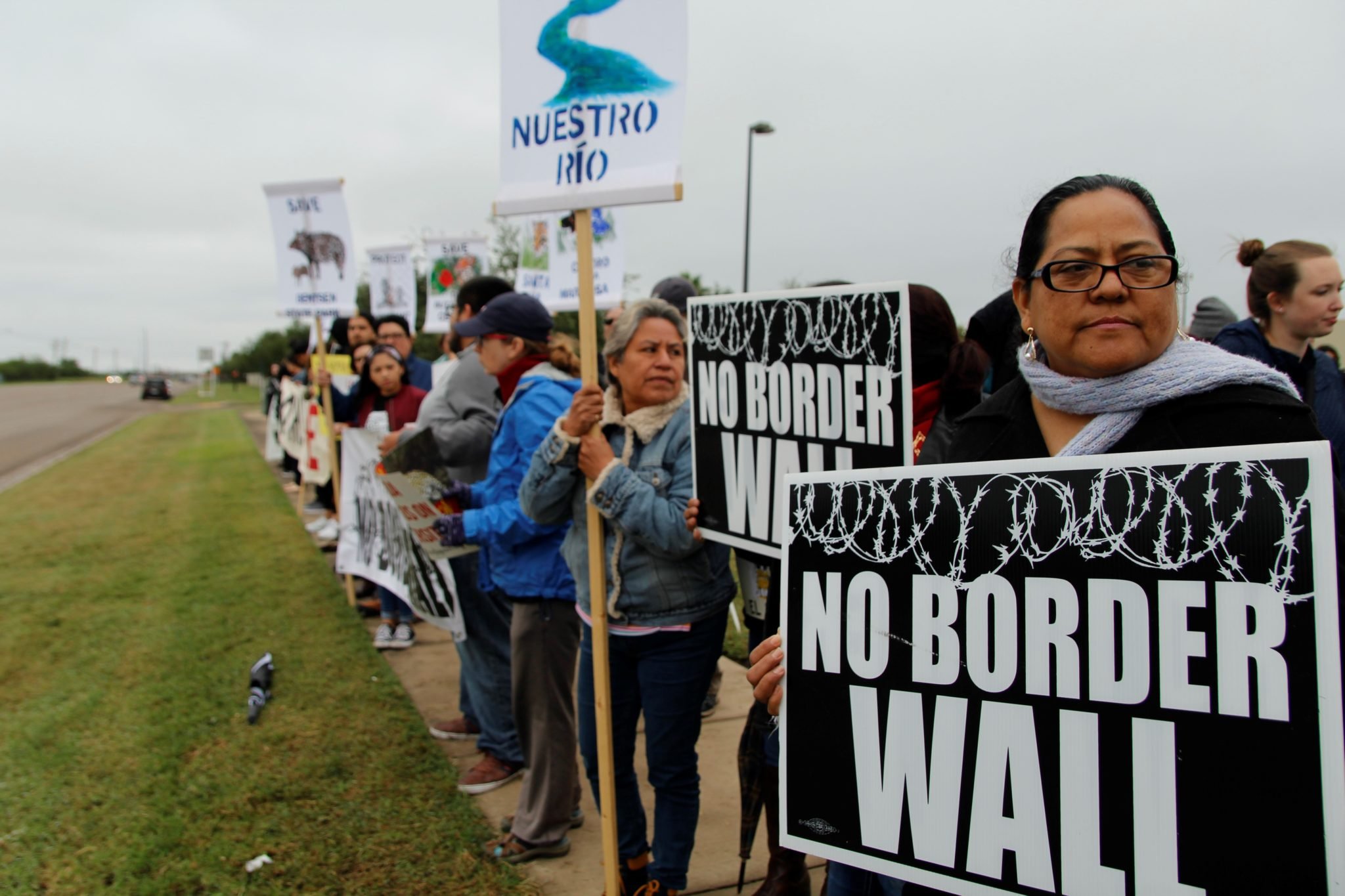
The three sites, all near the town of Mission in the Rio Grande Valley, are high on the government’s list for wall construction.
A charismatic priest and the local diocese hope to save a 120-year-old chapel near the Rio Grande.