A Texas Austerity Crisis Is Playing Out City by City, School by School
Texas' local governments are facing growing fiscal pain. What’s that mean for the 2026 elections—and the 2027 session?

A version of this story ran in the September / October 2026 issue.
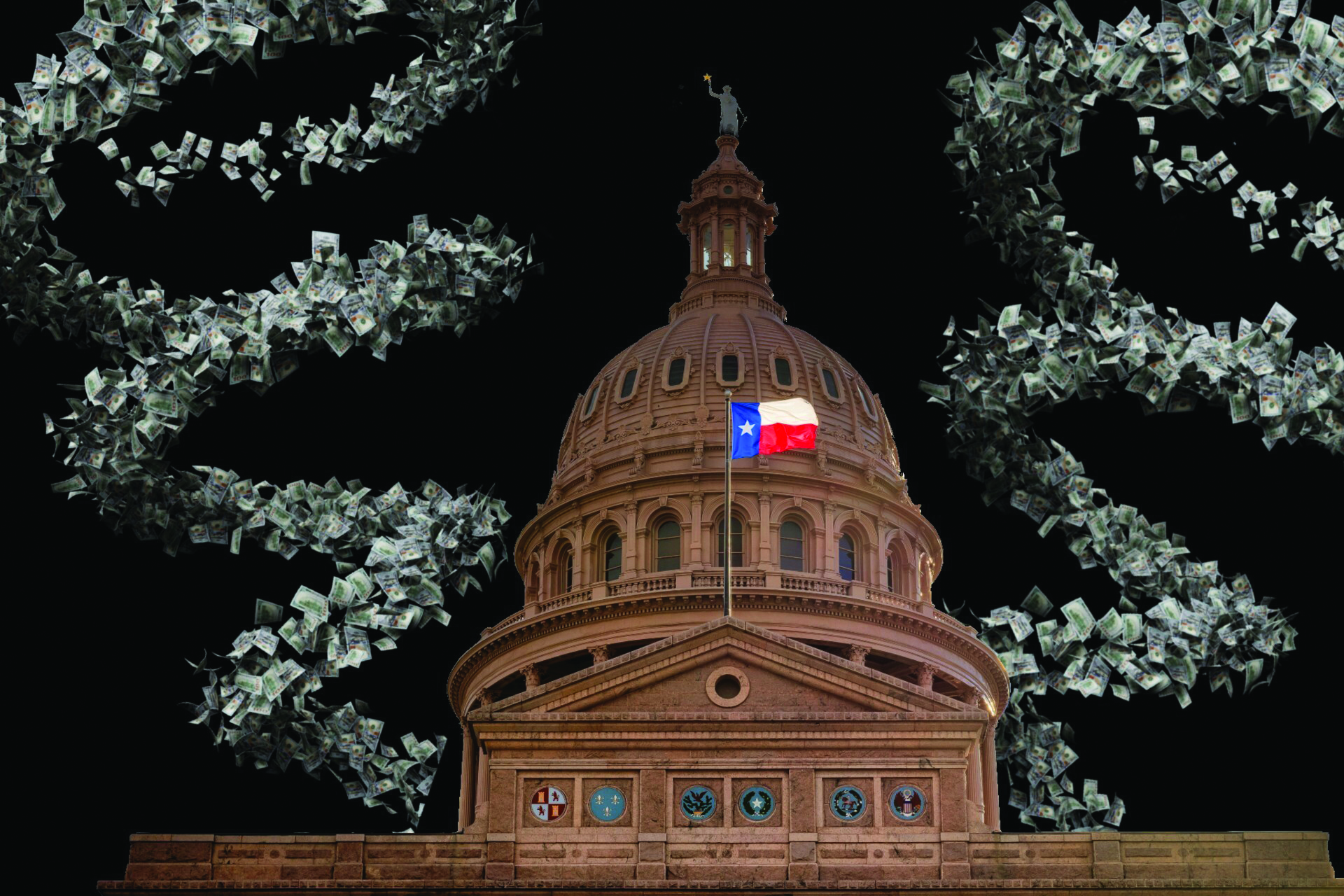
Texas is in a state of fiscal crisis. Or, at least many of its school districts and municipalities are. All across Texas, from the biggest urban ISDs and metros to the smallest towns and exurban counties, local governmental bodies are feeling the increasingly painful fiscal pinch—and resorting to rigid austerity measures.
The state’s 10 largest school districts, from Houston and Dallas to Austin and El Paso—collectively charged with educating a near-majority of Texas public school students—have all projected or enacted budgets that have them in a fiscal deficit. This is driven (in addition to factors like declining enrollment and property values) by an inadequately significant bump to the basic allotment of school funding last legislative session, as that funding has fast been consumed by inflation-fueled cost increases. Many districts across the state have been forced to close numerous neighborhood schools to alleviate the current strain.
Austin Independent School District (ISD) had a roughly $181 million deficit projection that it’s trying to close with staff cuts, campus closures, and a litany of other downsizing measures. Dallas ISD has a $108 million budget deficit; Houston ISD $25 million; neighboring Cy-Fair ISD about $80 million. A spring survey by the Texas Association of School Business Officials found that over 70 percent of surveyed districts would need to make budget cuts and that 44 percent would end the year still in a deficit.
Some of the largest cities and counties in Texas are also facing dire funding gaps. For instance, the City of Dallas is facing a $30 million budget shortfall and recently furloughed more than 4,000 municipal workers. Harris County, the state’s largest population center, is facing a “structural deficit” of $130 million, which could reach as high as $800 million by decade’s end.
Get the newsletter
Cities and counties are between a rock and a hard place, as they’ve lost the healthy cushion of COVID-era emergency funds, which helped maintain and expand services, at the same time that they’ve become severely limited by the state government in how much revenue they can raise through property taxes. Sales tax revenues, once sky-high during the pandemic era, have also come back down to earth. While population growth continues to surge across Texas, local governments can’t keep up with the growing cost of payroll and supplies. In some cities like Dallas, their revenue bases are also under threat, as major corporate employers threaten to flee downtowns for the surrounding suburbs.
This fiscal storm isn’t limited to localities, and it’s animating some of the marquee races on the ballot in November, namely the gubernatorial contest.
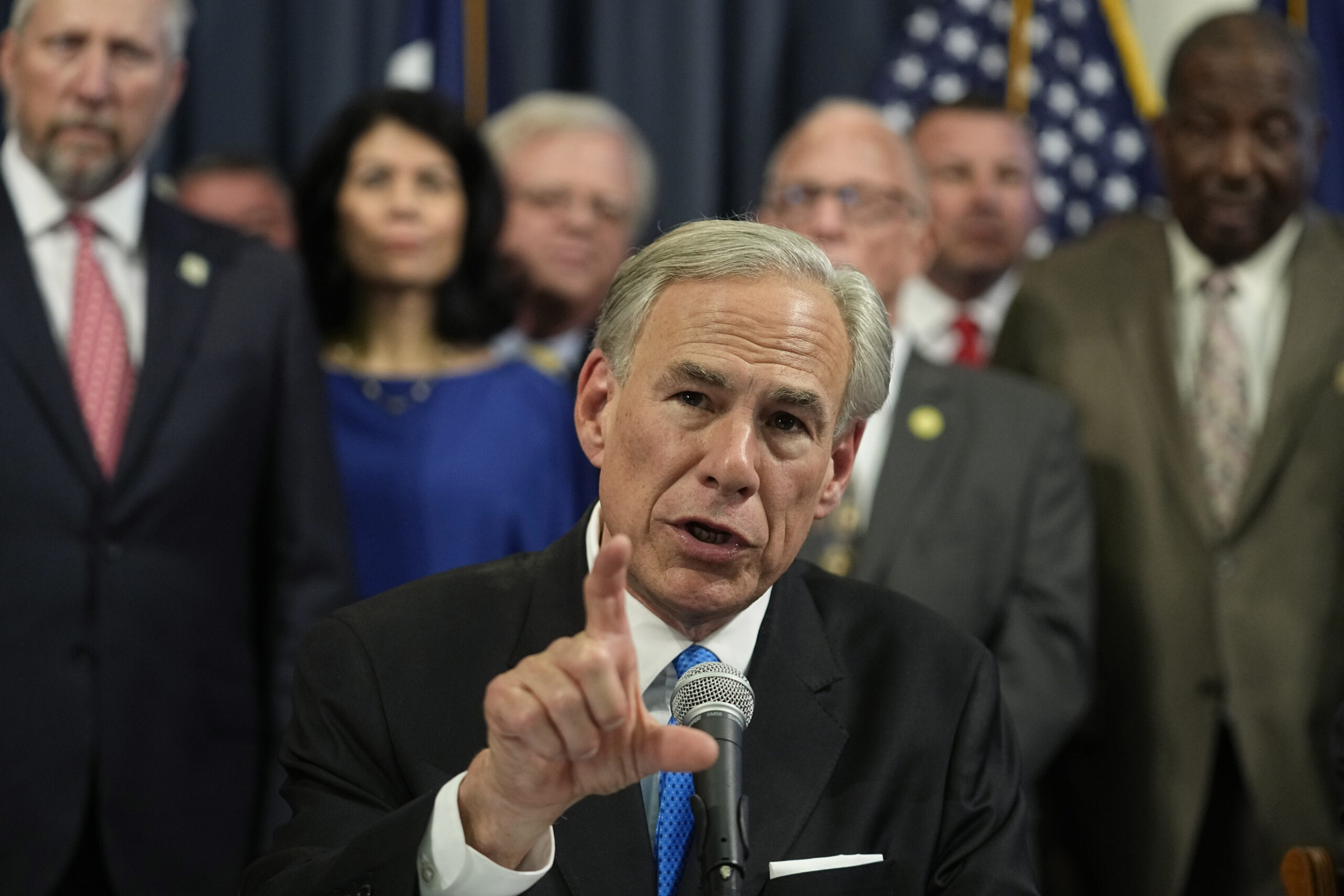
Governor Greg Abbott, who is seeking an unprecedented fourth term in office after having led the state now for nearly a dozen years, would have you blame all those local fiscal crises on the tax-and-spend libs who preside over those big, bloated school districts and cities, just as he’d have you blame those entities for the persistent local property tax crisis. (There’s certainly plenty of blame and accountability to go around for local leaders, but the broader forces responsible for their fiscal realities are mostly out of their hands.)
This is coming from a man who has perennially campaigned on promises to provide property tax relief to the burdened masses—via iterative state “buydowns” of local property taxes, which have now reached a cumulative cost of over $50 billion—and to variously handcuff localities’ ability to use their taxing power to maintain and expand operations. It’s part of a larger ideological project by the Texas GOP to make these local entities inert wards of the state government. (See, relatedly: the right’s persistent attempts to ban “taxpayer-funded” lobbying at the Lege, which would effectively prohibit professional representation of cities, counties, and ISDs in lobby-dominated Austin.)
Of course, Abbott’s 2026 reelection bid is no different. Back in June, the governor held an event in Houston to roll out his most expansive property tax policy plan yet—one that goes squarely after the big blue cities of Texas. His plan includes components to require localities to get a nearly impossible two-thirds majority approval for tax rate hikes and to initiate a constitutional amendment that would effectively eliminate school property taxes.

This would be an extremely heavy lift, even for a Texas Legislature that is increasingly under his thumb. But that new taxation system would also require the so-called Texas Miracle—unregulated, uninhibited economic growth—to stay white-hot for eternity. (Awkwardly, that economic aspiration has become increasingly untenable politically; see: Abbott’s embrace of the data center boom followed months later by his abrupt 180-turn to rein in development.)
Further still, it’s not even clear that there will be enough money in the banana stand to cover (or just maintain) the cost of further property tax buydowns. The Big Three—Abbott, Lieutenant Governor Dan Patrick, and House Speaker Dustin Burrows—recently issued a letter to state agencies ordering them to prepare for 3 percent program cuts across the board (with the only exceptions being public ed funding and the shiny new private voucher program).
There are also rumors around Austin that if Don Huffines, Abbott’s onetime nemesis who then won the GOP comptroller primary against the governor’s ally, becomes the next comptroller, he’ll bring an end to the halcyon days of bursting state surpluses by releasing a significantly more austere biennial revenue estimate, the blueprint on which state budgets are built. With ample surpluses, the state has built up its rainy day fund to record highs, at about $25 billion as of last year. Rosy revenue estimates have also lubricated recent sessions with an aura of abundance, as illustrated by the Lege handing out billions for new programs like private school vouchers, pro-Texas film tax incentives, dementia research, and so on.
Abbott made a point of trying to appease Huffines by getting his preferred candidate (and appointed comptroller), Kelly Hancock, who was demolished by Huffines in the primary, to resign early so Abbott could put Huffines in his place, making him the de facto incumbent heading into the general election against state Senator Sarah Eckhardt, an Austin Dem.
Meanwhile, Democrats have been trying to turn fiscal crises in Texas into a useful campaign cudgel. For her part, Democratic gubernatorial candidate Gina Hinojosa has said that it’s time for Texas to stop hoarding excess taxpayer money and give it back to the people—in this case, calling for a $1,500 check to every Texas household. It’s a charmingly simple populist method, one that President Trump has wielded in the past and perhaps one that might force Abbott onto his back foot.
Eckhardt, for her part, noted to the Texan over the summer that the state could pay off every single ISD’s budget deficit, “and we would still have roughly $24 billion in that reserve.”
Regardless of the outcomes in November, neither of those policy proposals is very likely to come to fruition. But, especially if Democrats enjoy anything like the sort of surge projected in the Texas House and beyond, Abbott’s expansive anti-city property tax “reform” isn’t either.
If that’s the case, we could see Republican majorities at the Capitol respond similarly to how they did back in 2019, after losing more than a dozen legislative seats, when they narrowed their political focus to the meat and potatoes of overhauling state public education funding (well, kinda) and property tax reform. Perhaps then, local governments and school districts would get some real help—rather than just operating at the middle of the blast radius.
You May Also Like
As Contract Negotiations Drag On, Texas Starbucks Workers Have Learned the Power of Organizing
“We have an in everywhere. It's not hard to talk to other people that do the same thing that you do on a daily basis, and oftentimes they have the same grievances that you do."
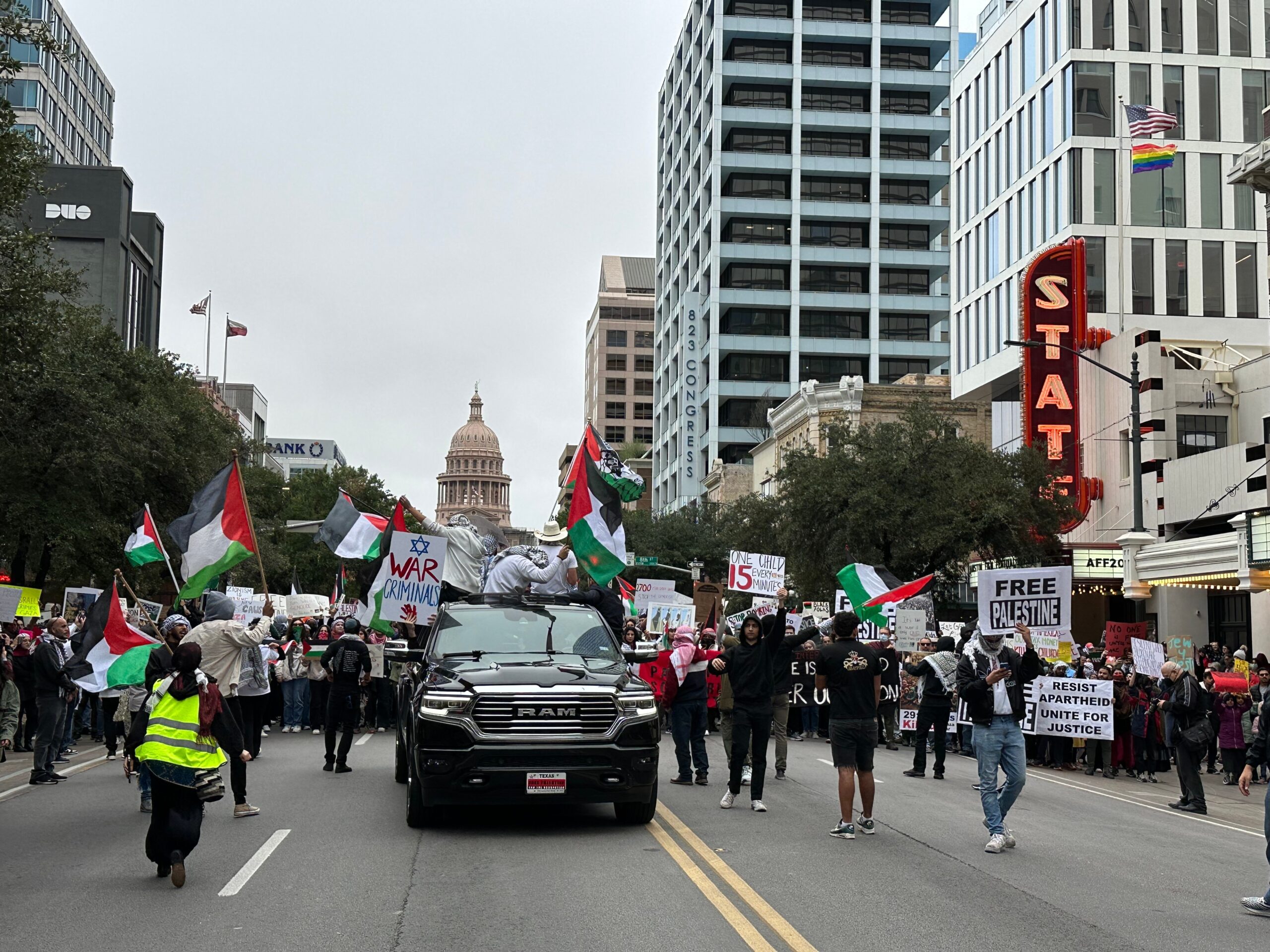
Will Texas Cities Stay Silent on Gaza?
From Austin to San Antonio and Dallas to Houston, pro-Palestine advocates are pleading with recalcitrant local officials to take a stand for Gazans.