The Distance Between Dying and Death
Jamaal Howard is set to die this Wednesday, the first scheduled U.S. execution after one was badly botched in Tennessee. As his spiritual advisor, I'll be in the room with him.
Jamaal Howard and I are close. Wednesday, Jamaal and I will be in the execution chamber together in Huntsville. More than likely, only I will walk out alive. Jamaal’s execution will likely be the first one in the United States since the botched execution of Christa Pike in Tennessee. As his spiritual advisor, I felt the need to tell him about the horror that transpired.
Prison walls have a way of making silence feel solid. I have learned about different silences: the silence after a door closes, the silence between a prayer and its answer, the silence that gathers when a man doesn’t know what to say.
Jamaal’s silence after I talked about Pike felt like an eternity. I wondered whether I should have even brought it up. Jamaal has so many mental health problems and intellectual disabilities. I didn’t know if he understood what I’d said.
Then, it became clear how unclear everything was for him. Not only had Jamaal not heard about Pike, but he also didn’t understand how executions were carried out. When I told him that the drugs didn’t work in her case, he didn’t understand what drugs I was talking about. To him, nothing made sense.
Suddenly both of us fell silent.
Finally Jamaal said: “I guess if the drugs don’t work, they’ll just shoot me in the head.”
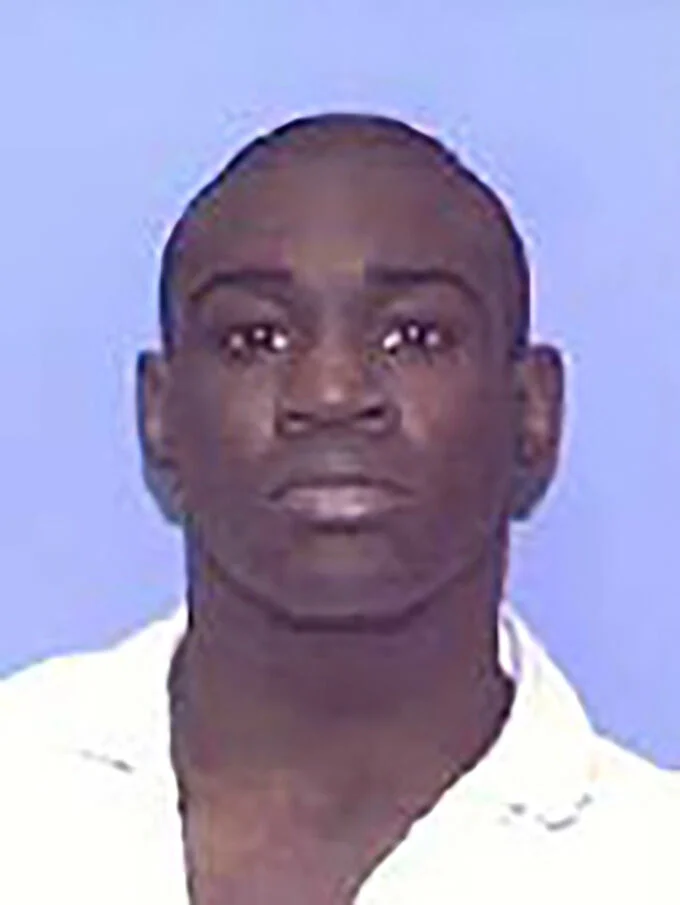
I knew Jamaal well enough that I would have known if I was hearing a joke or an attempt to be tough. Instead, this was a man who literally had no understanding of the protocol by which he was going to be executed or what would happen if something went wrong. His voice wandered. I realized he was a man reaching his hand into the dark to see what he could grab. He understood nothing.
I tried to explain that Texas authorities can’t just pull out a gun and shoot him. (Texas does not permit execution by firing squad.) But my words wouldn’t take hold in his mind. I feel like I failed him. I worry that he is lying in his cell thinking about being shot in the head.
I have spent years witnessing the machinery of death. On thirteen different occasions in five different states, I have stood with the condemned as the state took the life right in front of me. The death chambers are more than familiar. I repeatedly see them in my nightmares. The dingy glass looks the same. I know the clocks that keep moving when everything inside those rooms seems to stop. I have seen humans quickly disappear beneath the language of protocol and procedure. A sentence becomes a date. A date becomes a warrant. A warrant becomes a room. Then there is a body beneath a sheet and a clock on the wall, its hands moving as if time itself is the killer.
But Jamaal was not talking about any of that. He was talking about his body. He has no idea what is about to happen to him.
He was 20 when he killed Vickie Swartout during a robbery in Hardin County. Vickie should be alive. Her family has carried a loss that no execution can repair. I will not ask them to make room for my grief about what is happening now. A woman is dead who should still be here. A man I deeply care about is waiting for the state to kill him. Both things are true.
Those truths do not cancel out each other. They sit beside each other, like two people left alone in a room after everyone else has gone.
After thirteen different executions, I thought I knew what an execution was.
Then, Jamaal took the language of the courts and viscerally translated it into his body. He made me hear the distance between being told you will die and having to imagine what dying will feel like if the first attempt does not work.
All that doesn’t stop anything. Wednesday is coming.
Until then, Jamaal and I will try to talk about spiritual and extraordinary things. Meanwhile, the near inevitability of another botched execution here or somewhere else haunts each second, quiet as the prison cinder block.
You May Also Like
A Looming Execution Raises Questions of Race, Responsibility, and Rap
James Broadnax is set to be executed April 30. But someone else has admitted to the crime.
Pam Perillo’s Sisterhood of the Condemned
She's a death row survivor, but she doesn't think she's really any different from her friends who are still set to die.
New Report Highlights the ‘Fatal Flaws’ Behind Wrongful Capital Convictions
The ACLU found official misconduct, perjury, and predominantly white juries were contributing factors in at least 200 death sentence exonerations.