Texas’ Top Criminal Court Has Stymied the State’s ‘Junk Science’ Law. Will SCOTUS Intervene?
If the U.S. Supreme Court renders a decision in favor of Charles Flores and others, it would likely force the Court of Criminal Appeals to relax its extremely strict handling of appeals based on shoddy and outdated science.
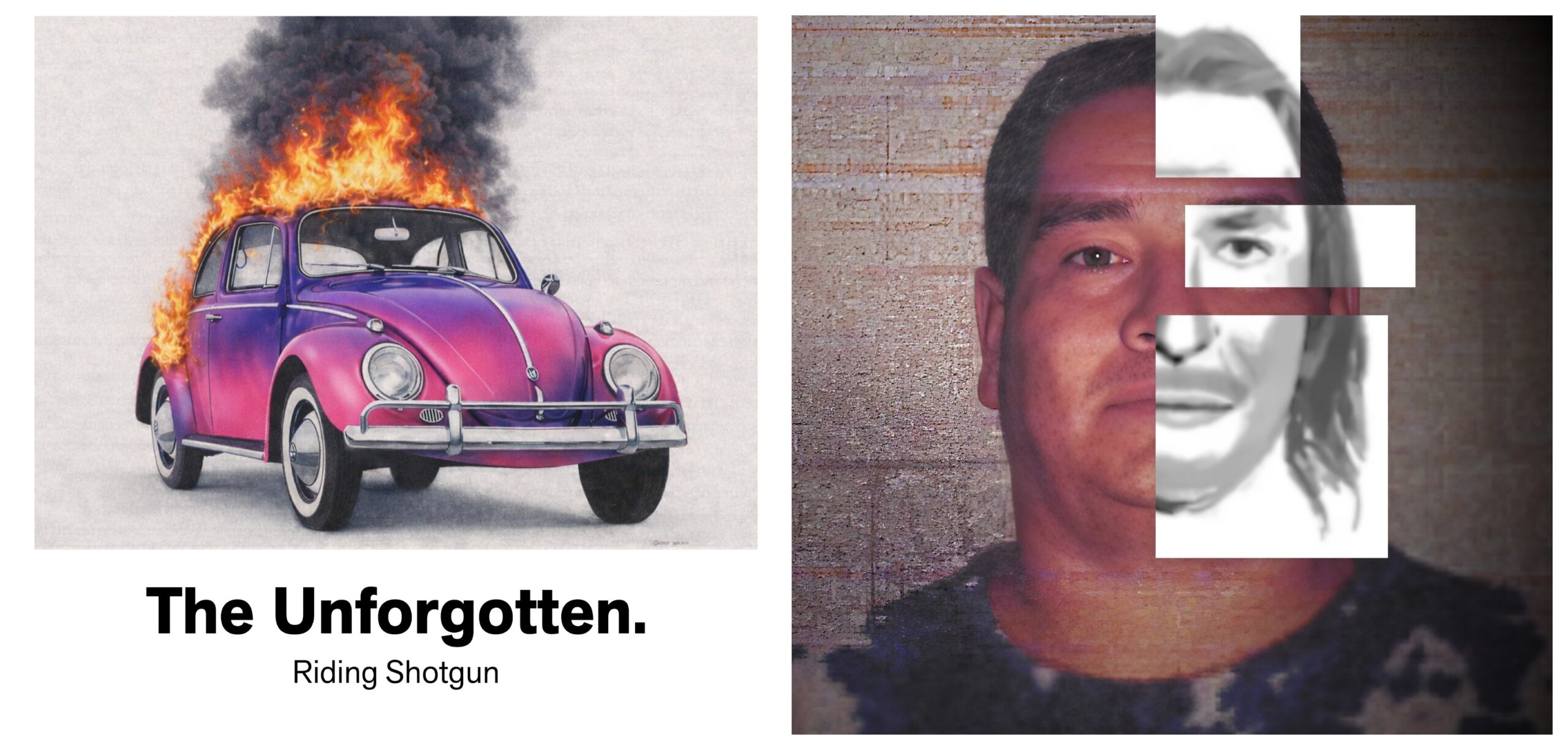
In 1999, a Dallas County jury sentenced Charles Flores to death for capital murder after a burglary turned deadly in Farmers Branch. He had been placed at the scene of the crime by an eyewitness who identified him in court—but this was after an officer from the Farmers Branch Police Department hypnotized that witness during the investigation. (The Texas Observer recently released a six-part podcast about the case—The Unforgotten: “Riding Shotgun”—in partnership with Free Range Productions.)
As of 2023, evidence based on hypnosis is no longer admissible in Texas criminal courts. For decades before, though, law enforcement agencies, including the statewide Department of Public Safety, used hypnosis as an investigative tool in thousands of cases.
Based on changing attitudes about hypnosis and a growing understanding of its flaws as a memory retrieval technique, Flores has attempted to use a 2013 law—Article 11.073 of the state’s Code of Criminal Procedure, often referred to as the “junk science law”—that offers an appeals avenue for people convicted because of faulty or outdated science. Three times, he’s asked the Court of Criminal Appeals (CCA) to take another look at his case in this context, to determine whether he should get a new trial.
But, like every other death-sentenced prisoner who has ever tried to use the law, Flores has been unsuccessful.
Texas legislators enacted the measure to address the evolution of forensics and the existing statutes’ inability to deal with changing science. But since then, no one on death row has been granted a new trial under the law, and many people who try to appeal based on it are shot down before a court even considers the facts or arguments.
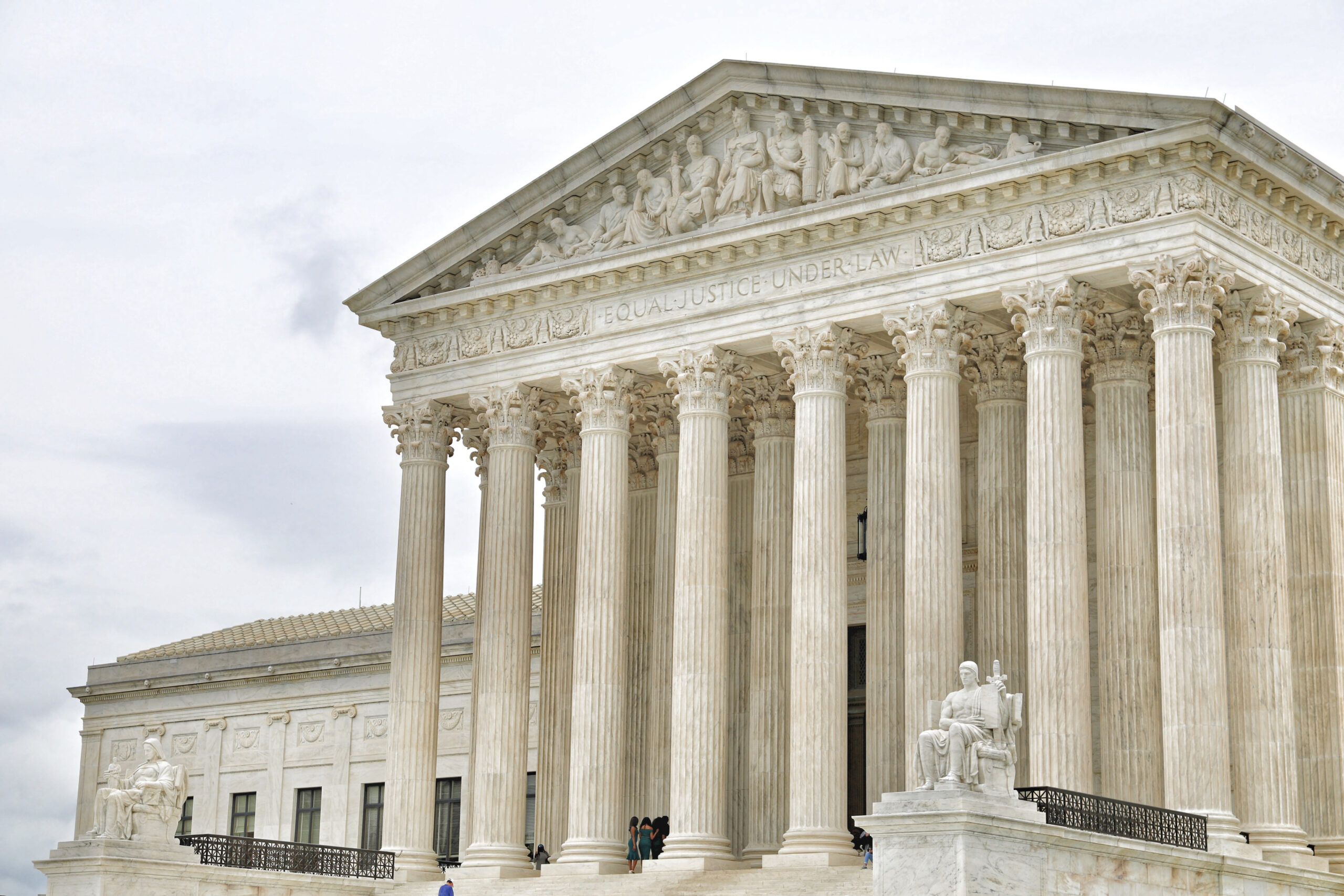
In February, Flores’ attorney appealed to the U.S. Supreme Court to address whether—in consistently denying claims like his, which are ostensibly what the 2013 law was meant to address—the Texas court system is following the state’s own laws, or potentially violating people’s federal right to due process. The Supreme Court has not yet decided whether to take up the case, but the decision could have massive implications for both Flores’ case and future appeals in Texas. If the highest court renders a decision in favor of Flores and other potentially wrongfully convicted people, it will likely force the CCA to relax its extremely strict handling of these junk science appeals. If not, relief based on the first law of its kind passed in the United States would remain a pipe dream for most who try to use it.
More than a thousand people have been exonerated in the United States since 1989 after being convicted based on false or misleading forensic evidence, according to the National Registry of Exonerations. The Death Penalty Information Center reports that about a third of death row exonerations were in cases tainted by some type of junk science.
Flores’ petition drew support from criminal justice experts, psychology leaders, and even renowned magicians Penn Jillette and Teller, who argue that, as experts in toying with perception, they see the hallmarks of manipulation in the case.
This isn’t the first time the measure’s effectiveness has been scrutinized. A 2024 report by the Texas Defender Service (TDS) found that the junk science law “is not working to provide relief to innocent people convicted based on false or unreliable forensic evidence.”
Estelle Hebron-Jones, director of special projects with TDS, told the Observer that when the bill was passed, “It was seen as having the potential to be such a strong tool for people who had claims that were difficult to present in the existing post-conviction landscape.” In reality, cases that seem perfect for the legal pathway are meeting significant roadblocks.
Flores’ petition to the Supreme Court argues that “copious evidence” in the case—including “junk science, false testimony, official misconduct, and, most critically, actual innocence”—should have been enough to earn him a new trial. But, attorney Gretchen Sween writes, “Texas’s highest criminal court, the sole arbiter of post-conviction relief in death-penalty cases, has dismissed those claims without considering the merits, an act that cannot be squared with the state law.”
The report by TDS indicates this is a trend. Researchers analyzed appeals filed in the 10 years after the law took effect. In that time, just 15 people received relief based on shoddy forensic evidence—about 20 percent of those who tried. The report’s authors found that the CCA was holding applicants to a much higher standard than the junk science measure dictated. Under the statute, someone has to show that the science used at the time of their trial is suspect, either because new or previously unavailable evidence or science contradicts it. Then, they have to show that the new science or evidence would be admissible and likely would’ve affected the jury’s decision.
“Instead, [the CCA] usually only grants relief if a person can show evidence strong enough to eliminate any rational basis for their conviction, such as exonerating DNA evidence or an alternate perpetrator,” the report’s authors wrote. This is a nearly impossible bar to surpass, and poses a particular problem when someone doesn’t have an attorney, or there’s no DNA evidence in the case.
Flores is among many on death row who have tried unsuccessfully to argue for a new trial based on shoddy forensic evidence, but he’s one of only seven who have had their cases actually reviewed on the merits.

Even the case that helped inspire the 2013 law nearly didn’t pass muster with the CCA.
In 1999, the same year of Flores’ conviction, Neal Hampton Robbins was convicted by a Montgomery County jury of capital murder in the case that would be cited as the inspiration for Texas’ junk science law.
Robbins was found guilty of killing his girlfriend’s 17-month-old daughter after the child was found unresponsive in her crib, for which he was sentenced to life in prison. In the following years, the associate medical examiner who’d determined the toddler’s cause of death had reevaluated the case and changed the cause to “undetermined,” but Robbins remained in prison. The CCA considered Robbins’ case before the junk science law was enacted, and judges pointed out that existing laws lacked a remedy for a case like this, where new scientific knowledge called the evidence used in trial into question.
Robbins filed another appeal just days after the law took effect, but some of the judges seemed to resent the new statute: Judge Larry Meyers reportedly referred to it as “a clear attempt at a power grab” by legislators. Robbins was ultimately granted a new trial and, rather than re-try the case, prosecutors dropped the charges for lack of evidence. He was released in 2016.
In a more recent Texas case, Robert Roberson’s conviction and death sentence based on the largely discredited “shaken baby syndrome” diagnosis drew international and legislative attention. Scheduled to be executed in October 2024, Roberson was spared at the eleventh hour when a bipartisan group of legislators found an unprecedented loophole. Some members of the Texas House of Representatives subpoenaed Roberson to testify in front of a legislative committee about the application of the junk science law at a hearing set for after his execution date.
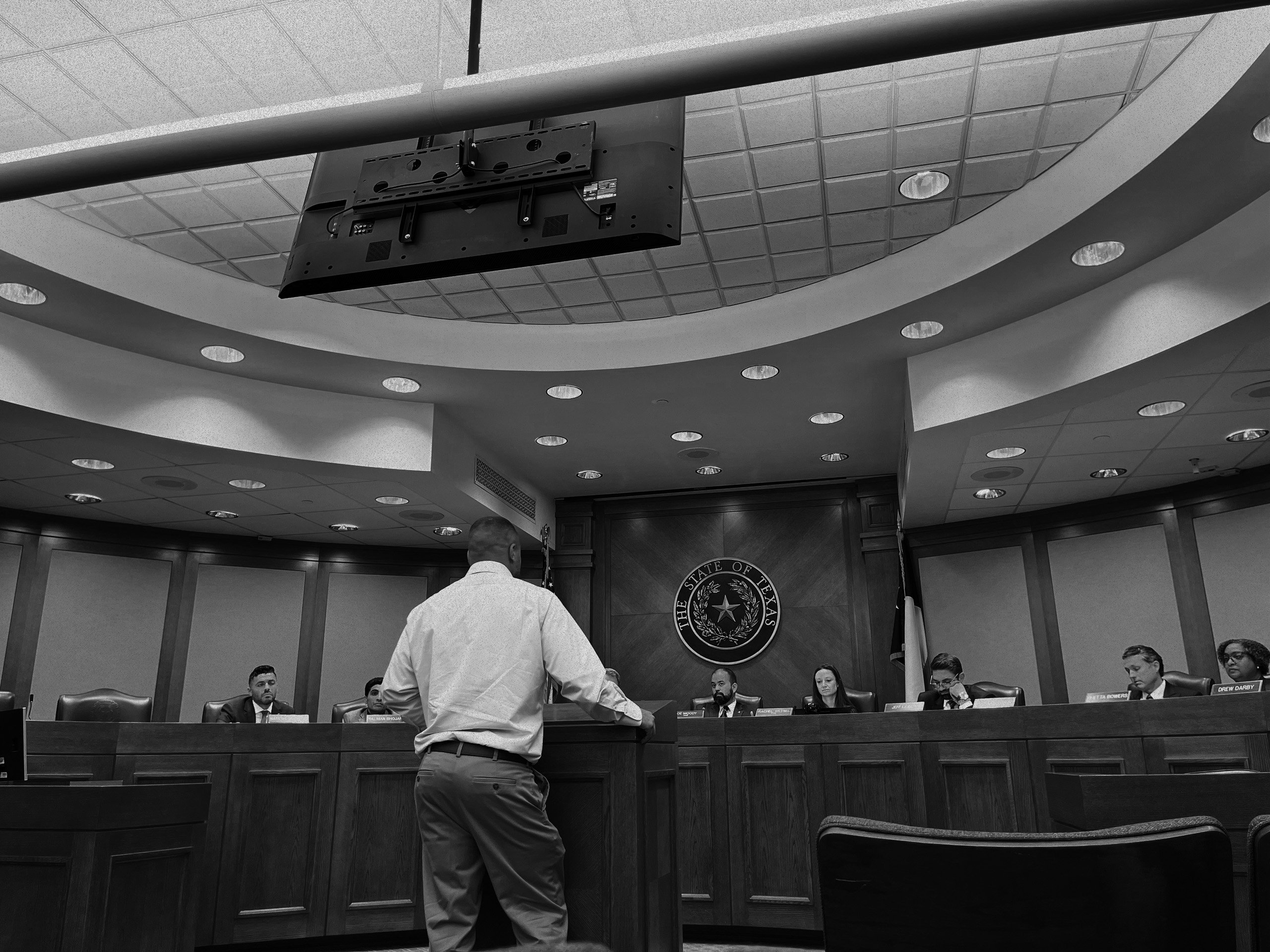
That fall, members of the Texas House Committee on Criminal Jurisprudence held multiple hearings about the state’s junk science law and Roberson’s case. “Although our focus is Robert Roberson, we’re here because his case has shined a light on our new [junk] science writ law,” said Democratic state Representative Joe Moody at one hearing.
Kate Judson, executive director of the Center for Integrity in Forensic Sciences, said at the time that Roberson’s case is “one of the most egregious examples” of unreliable forensics being used to wrongly convict someone. Still, he faced another execution date in 2025, which was stopped when the CCA finally sent the case to a lower court to consider the arguments that the method used to determine shaken baby syndrome diagnoses has been debunked. The case is now pending in an Anderson County court.
A third Texas case that got further than most was that of Areli Escobar. Escobar, who was convicted of murdering his neighbor Bianca Maldonado Hernandez in 2011, maintained his innocence, and the forensics lab that conducted the testing in his case was so problematic that it was shut down in 2016—five years after he was sentenced to death. His lawyers argued the forensics from the case, including DNA findings and fingerprint analysis, were invalid.
The CCA sent the case down to a trial court, and in a rare move, attorneys for the state actually agreed with the defense, saying Escobar deserved a new trial. Even with both sides’ support, his appeal was denied by the CCA. They said he hadn’t proved that the challenges to the DNA evidence would’ve changed the verdict.
“When the law came into effect, people were hopeful,” said Daniel Woofter, one of Escobar’s attorneys. “It turned out to not actually provide relief to very meritorious cases like Areli’s. We’re still hopeful that … there may be fresh eyes taking a look at this law and the text of this law once more.”
Although today’s Supreme Court is somewhat unpredictable when it comes to matters of criminal justice reform, Flores’ attorney is hoping that the justices can provide their own fresh eyes on appeals that the Texas courts have barely bothered to justify denying.
There was a moment, nearly a decade ago, when it seemed like Flores might succeed in his appeal fight. After he argued that the prosecution’s reliance on a witness who’d been hypnotized had undermined the trial, the CCA agreed the matter was worth considering and sent the issue back to a lower court to further flesh out the evidence before the state’s top criminal court would rule. Remanding the case, Judge David Newell wrote that the CCA owed “a clear explanation for our decision to the citizens of Texas.”
A Dallas district court held an evidentiary hearing in October of that year. Some of the key players from Flores’ 1999 trial again took the stand, including the witness who’d been hypnotized and the officer who conducted the session. Each side called scientific experts to opine on memory and hypnosis. Sween, Flores’ attorney, argued that the witness’ identification was so important to the state “because there had been so many inconsistencies among their other witnesses.”
But after all of that, the CCA ultimately denied Flores a new trial without stating the reason—without the “clear explanation” Judge Newell promised.
You May Also Like
‘You Don’t Have to Kill Us. You Don’t Have to Throw Us Away.’
Clinton Young spent nearly two decades condemned to die. His peaceful, productive time out on bond poses questions about how Texas decides who lives long enough to get another chance.
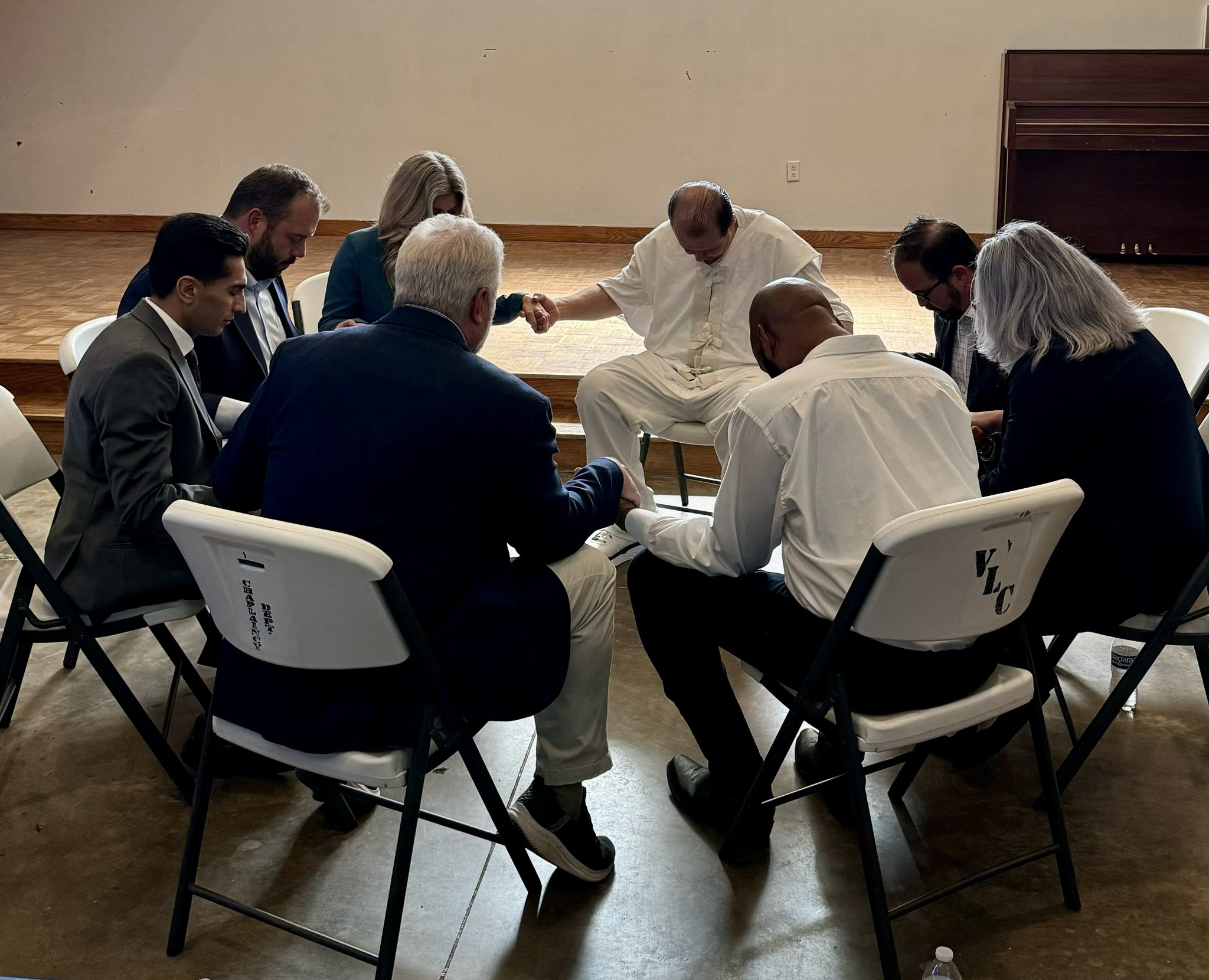
Roberson’s Scheduled Execution Halted After Frenzied Legal Fight, Lawmakers’ Intervention
If efforts fail, Robert Roberson would be the first man executed in America for a murder conviction based on the controversial “shaken baby syndrome” diagnosis.
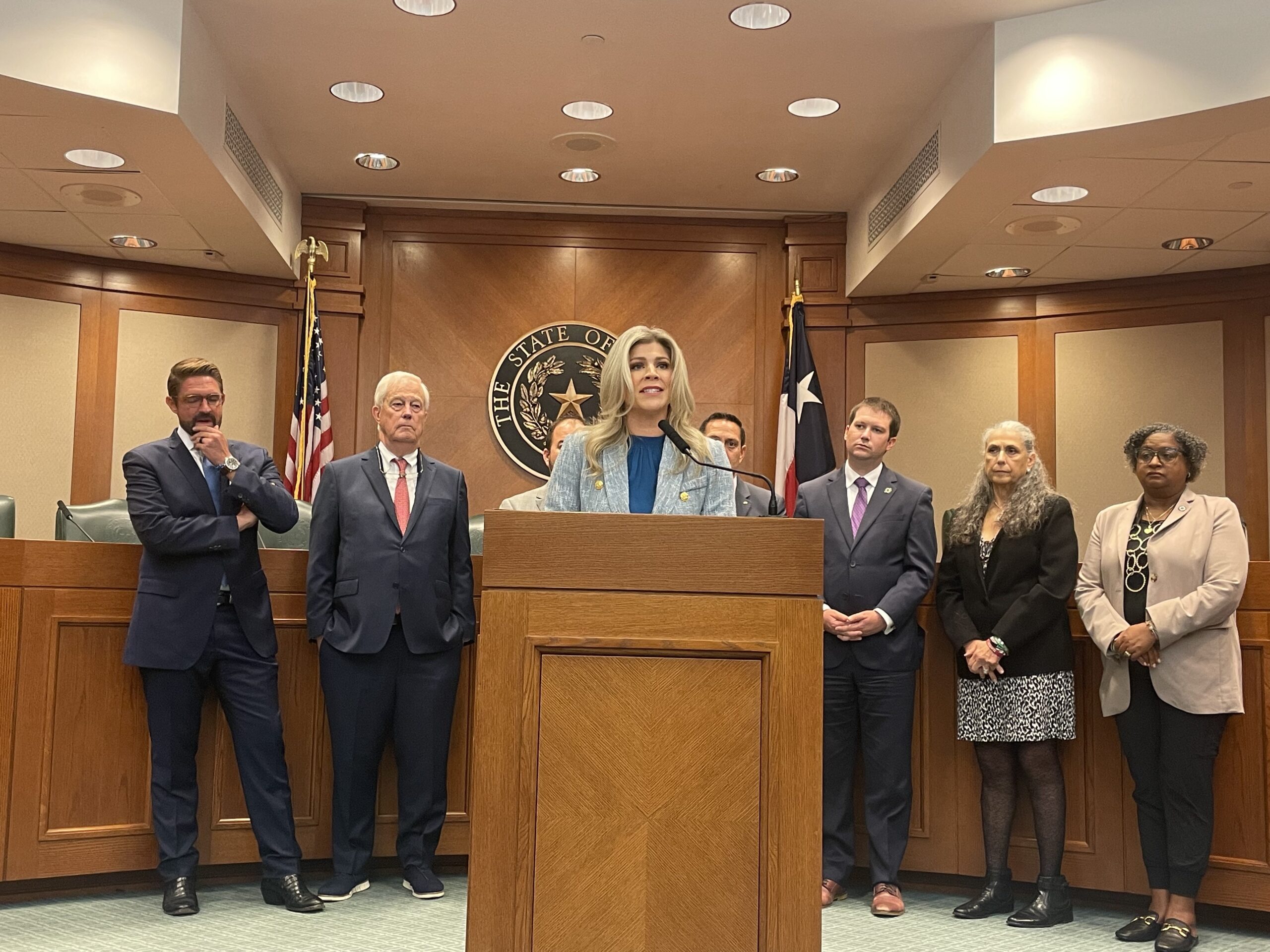
Bipartisan Legislators Join Calls for Clemency for Robert Roberson
The condemned Texas man was convicted of killing his daughter in 2003 based on an outdated ‘shaken baby syndrome’ diagnostic process.