
Dallas Chef’s Beef with Food Critic More than a Little Overdone
A version of this story ran in the March 2015 issue.
Last July, Dallas bad-boy chef John Tesar (who won’t hesitate to casually remind you that he’s buddies with ur-bad-boy chef Anthony Bourdain) apparently had some wine and took to Twitter to tell Dallas Morning News food critic Leslie Brenner exactly what he thought of her: “fuck you ! Your reviews are misleading poorly written, self serving and you have destroyed the star system and you really suck” [sic, sic, etc.]
Eater, the online restaurant news-and-gossip empire of which I am a former Austin editor, jumped on Tesar’s tweet, and chefs both known (think Mario Batali) and unknown lined up to defend Tesar’s willingness to talk back to a powerful critic, if not his delivery.
Tesar’s outburst—which was brought on by a pretty fair three-star review of his restaurant Knife in the Morning News—opened a festering wound in a food-journalism community that’s struggling to find its footing in a world where Yelp, Twitter and Facebook have democratized criticism and undermined the power of big-name print critics.
Tesar told me he just wanted to start a conversation about who gets to play tastemaker in these uncertain times, and he wants to see an end to a star-based rating system he believes encourages diners to write off restaurants too easily. But he followed his incendiary tweet with what can only be called an online harassment campaign targeting Brenner. He threatened to release photos of the critic, who until late 2014 had operated in traditional restaurant-reviewer anonymity. He called her a “terrible narcissistic person” and wrote a scathing letter to her bosses, accusing her of violating journalistic ethics.
The paper stood by its critic, and Brenner responded with aplomb, dropping the anonymity—a move she told me she’d been preparing even before the Tesar kerfuffle. The Morning News published her portrait.
It sounds so simple: chefs cook, critics review. To borrow a phrase from Ina Garten: How easy is that? But with the rise of the Food Network and foodie-tainment like Top Chef, chefs are grappling with the balance between simply cooking and the temptation to build personal brands on the festival-and-TV circuit.
Tesar’s outburst opened a festering wound in a food-journalism community that’s struggling to find its footing in a world where Yelp and Twitter and Facebook have democratized criticism.
Brenner told me she enjoys the competition, which she says makes her a better writer. At the same time, the new cults of personality (around chefs and writers alike) mean that talent doesn’t always win out. Controversy plays especially well online, even when it’s unwarranted. People love a good Facebook fight.
Brenner has been on the receiving end of legitimate criticism—none of it particularly unusual in the hyper-vigilant world of food writers. There’s the 2010 “barbecuegate” incident, wherein she was accused of plagiarizing the work of current Texas Monthly barbecue editor Daniel Vaughn back when he was but a wee blogger. Over the years she’s made some factual errors and issued some corrections, which aren’t especially uncommon in journalism.
But Tesar’s vitriol has largely obscured his original intention and his perhaps legitimate complaint. His palpable anger at Brenner—he needed no prompting to launch into an hour-long rant about her when I called him for this story—situates him as little more than another Twitter troll. And it’s no secret that women—particularly women journalists—get much more than their fair share of abuse online.
Some Dallas chefs and restaurateurs who initially joined Tesar in public opposition to what they believe is Brenner’s intentional capriciousness—they claim she unfairly targets specific chefs and restaurants and withholds information that would enable them to meet four- or five-star criteria—have distanced themselves from Tesar after a December Washington Post feature on the feud.
Things have simmered down, as it were, over the last few months. Brenner told me she is excited to be newly non-anonymous, meeting the readers from whom she hid her face for most of her six-year career at the newspaper. She’s blocked Tesar on social media.
But Tesar is holding firm. He says he wants to see an end to the star system. He wants critics to ignore bad restaurants and cover the good ones. He wants critics to do more or less what Tesar wants them to do.
It may be true that star ratings encourage laziness in some readers, but Tesar’s singular obsession with Brenner makes his beef seem more than a little overdone. If he can’t take some mild heat, well, you know what they say about kitchens.
You May Also Like

In Ink and on Airwaves, Texas Media Grows Ever More Concentrated
Hearst's acquisition of struggling newspapers in the state may seem like welcome news. But bigger doesn't always mean better.
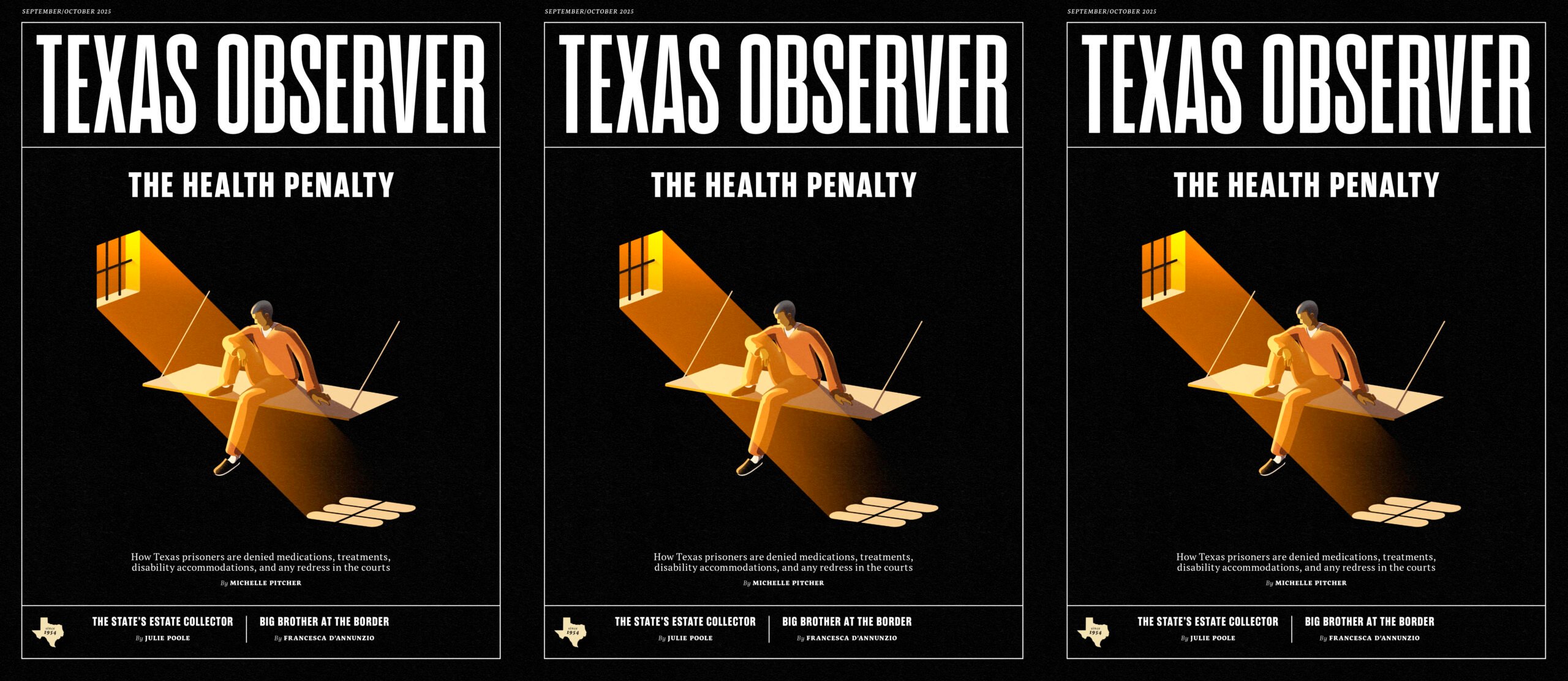
Editor’s Letter: Introducing Our September/October 2025 Issue
A note from the editor-in-chief

Editor’s Letter: Introducing Our July/August 2025 Issue
A note from the editor-in-chief