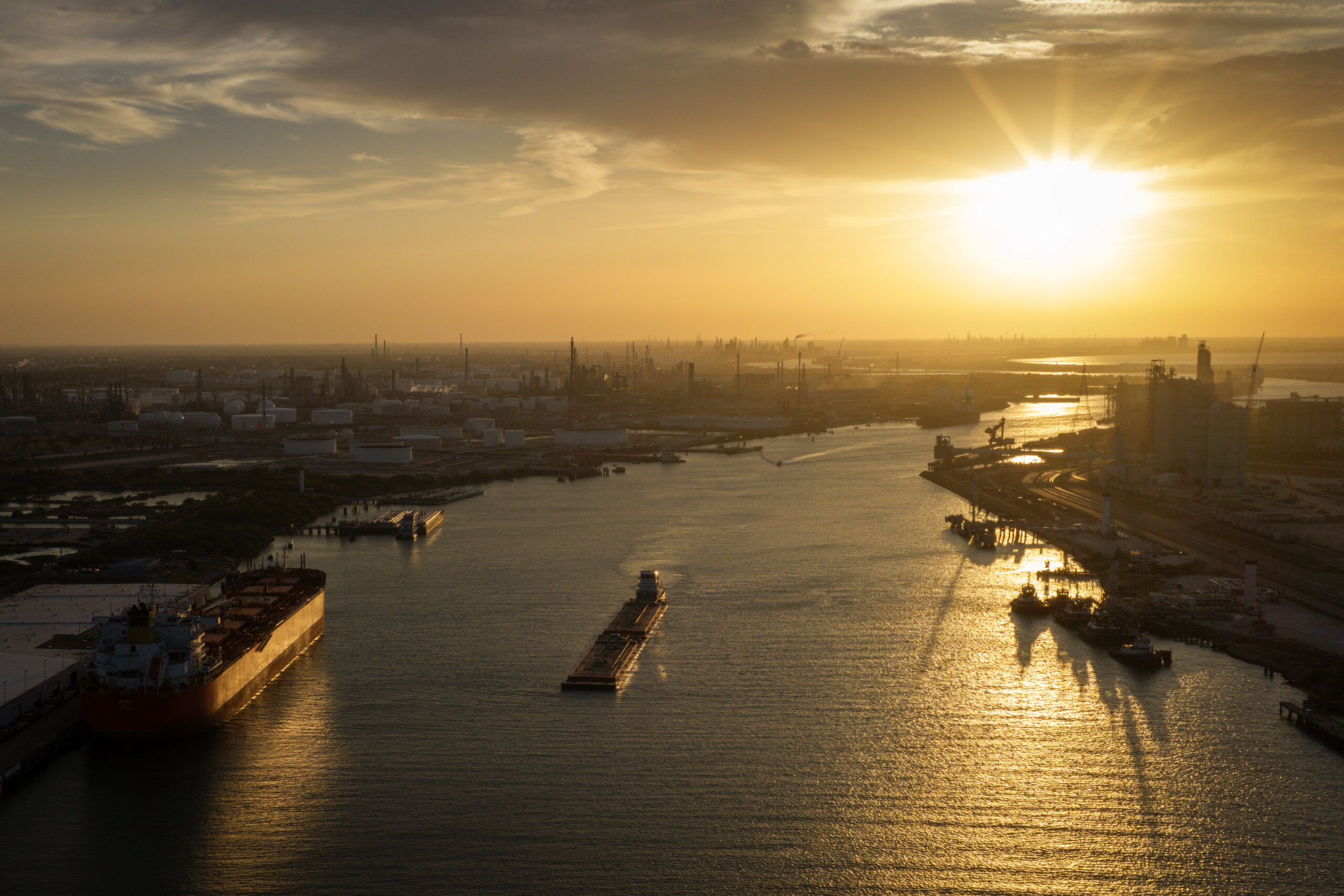
Corpus Christi Could Owe Texas $235M for Failed Desalination Plant
City leaders hope to revive the twice-rejected project to avoid returning money loaned by the state.
Since 1954
Dylan Baddour covers the energy sector and environmental justice in Texas for Inside Climate News.
City leaders hope to revive the twice-rejected project to avoid returning money loaned by the state.
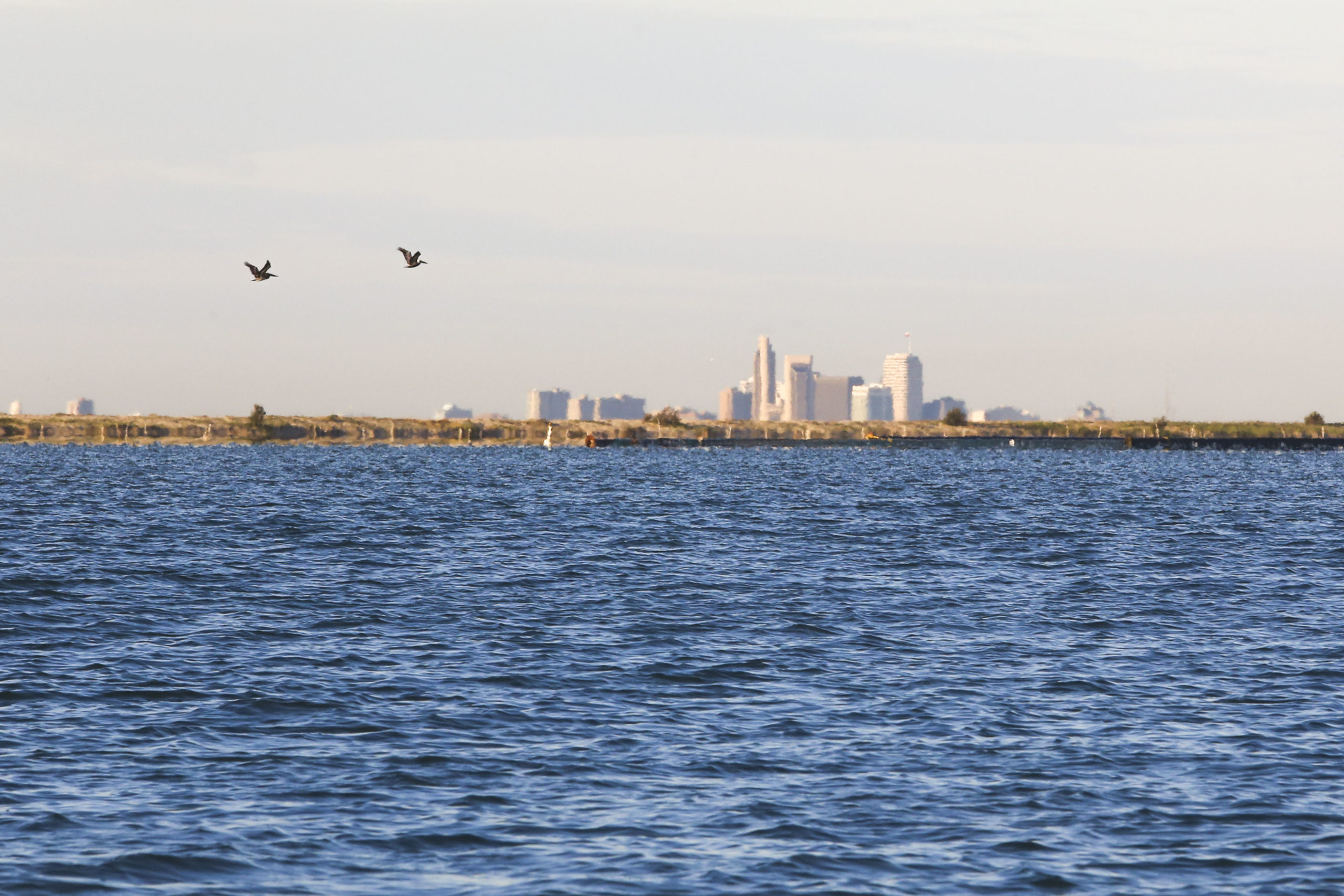
Reservoirs have rebounded from critical levels, but an emergency order absolves the city of requirements to resume releasing water for the Nueces River Delta.
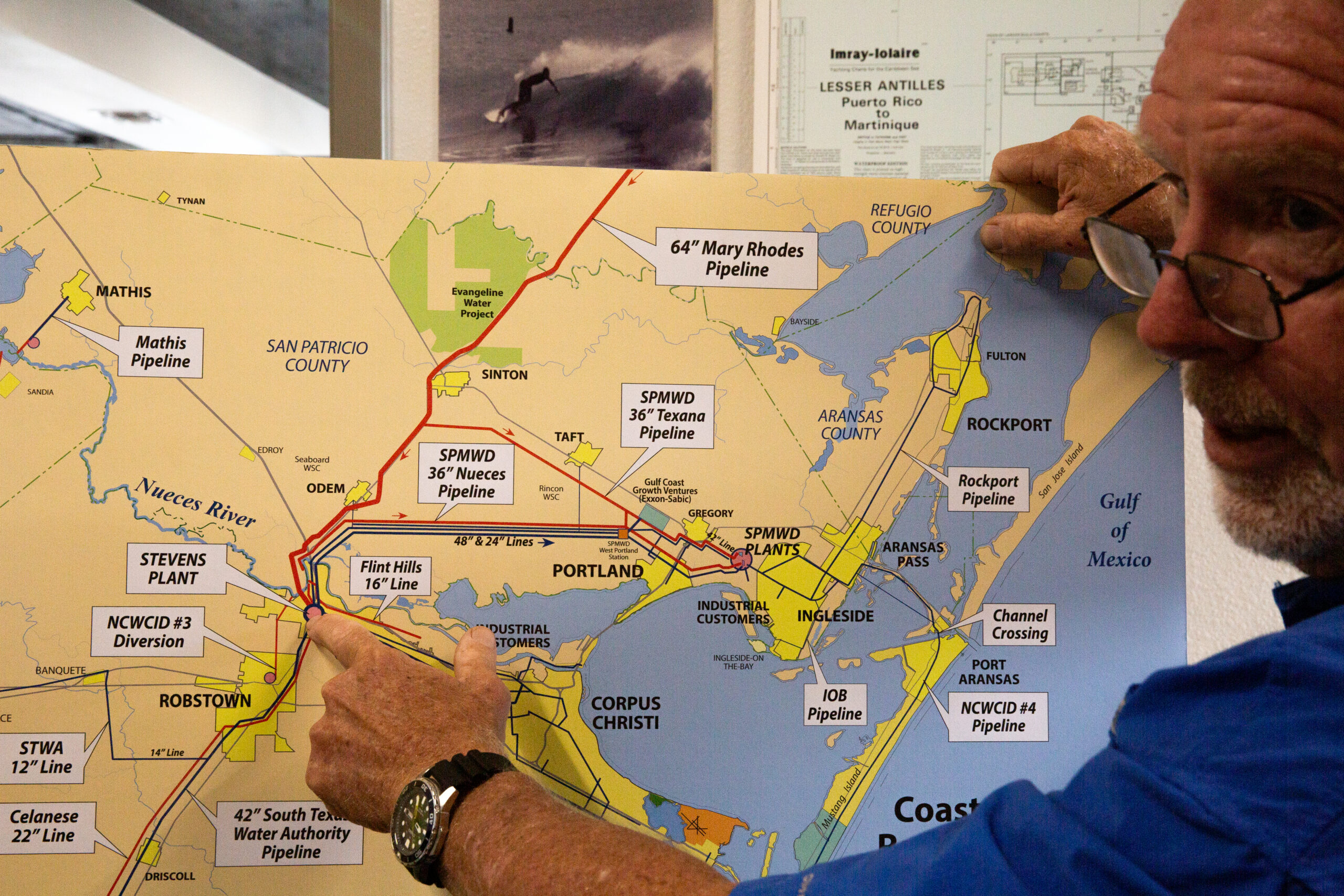
Stubbornly unrealistic assessments of the region’s reservoir system turned this year’s drought conditions into an emergency.
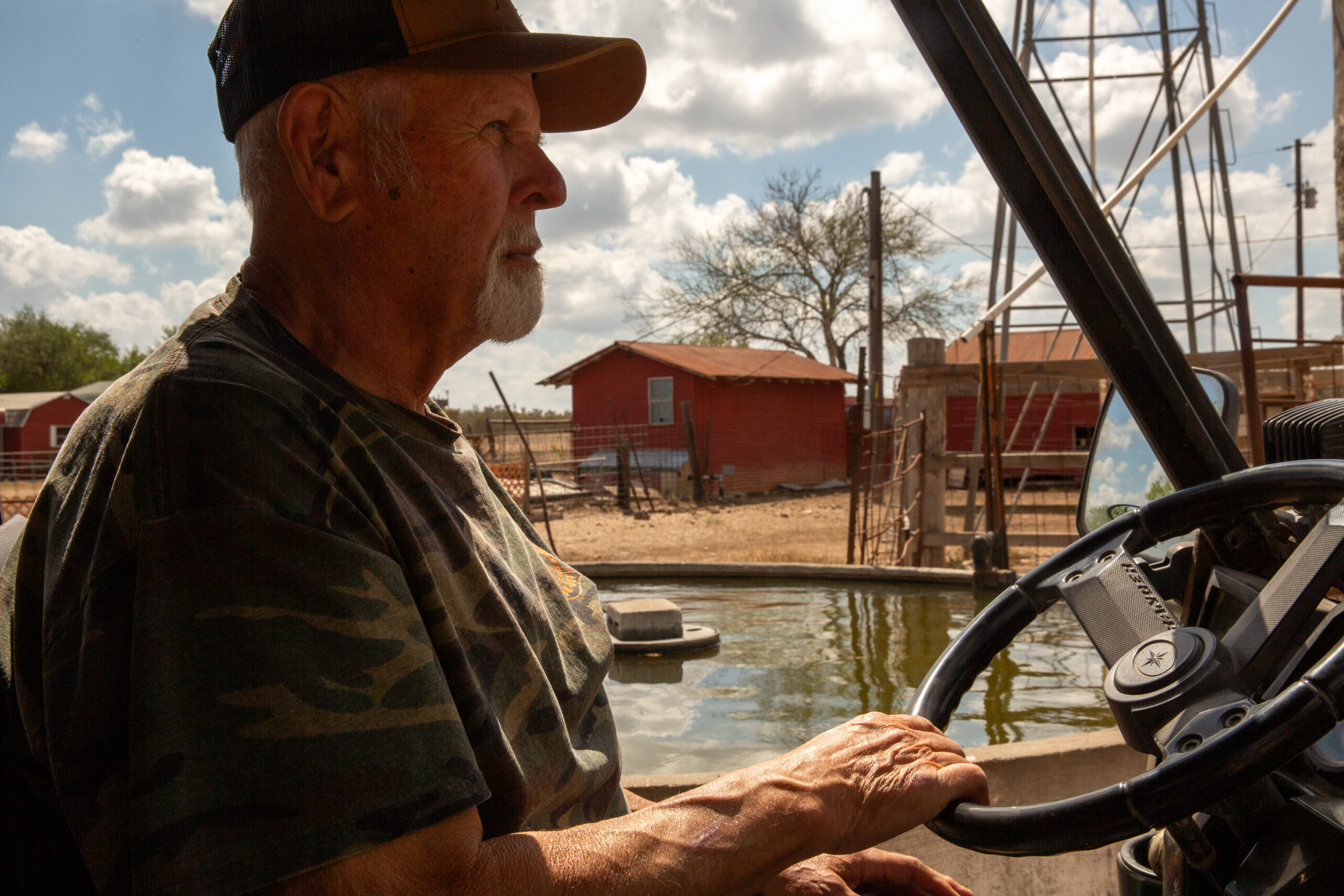
Cities, towns, and industrial complexes aim to quickly pump tens of millions of gallons per day in a bid to avert disaster.
The governor’s office said the city’s two main reservoirs could dry up by May, much sooner than previous timelines. But authorities still offer no plan for curtailment of water use.

It’s among a handful of similarly colossal ventures announced during 2025, making Texas the global epicenter of a gas power buildout.
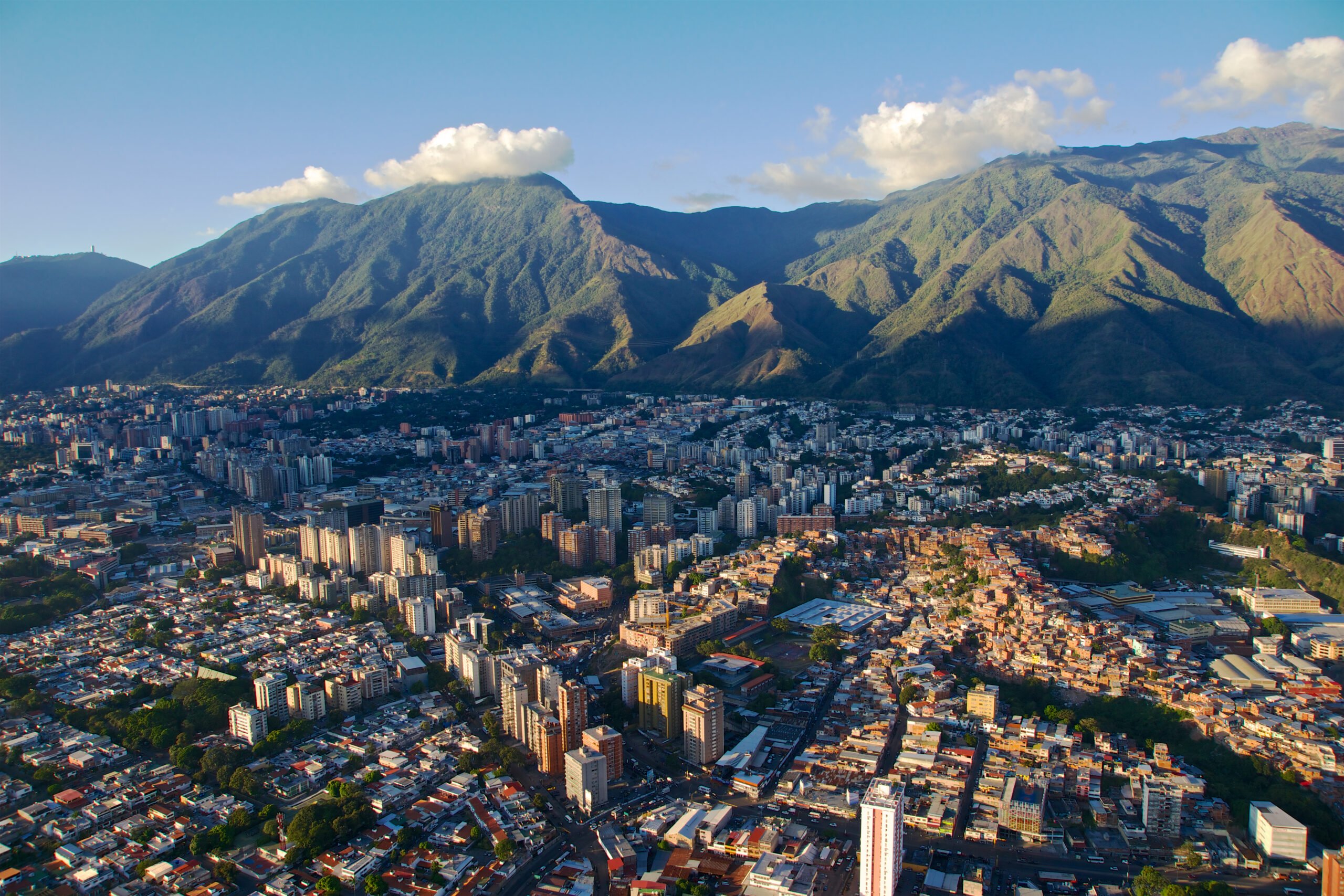
Latin America has lots of experience with private military contractors protecting foreign companies in lawless conflict zones. It seldom goes well.
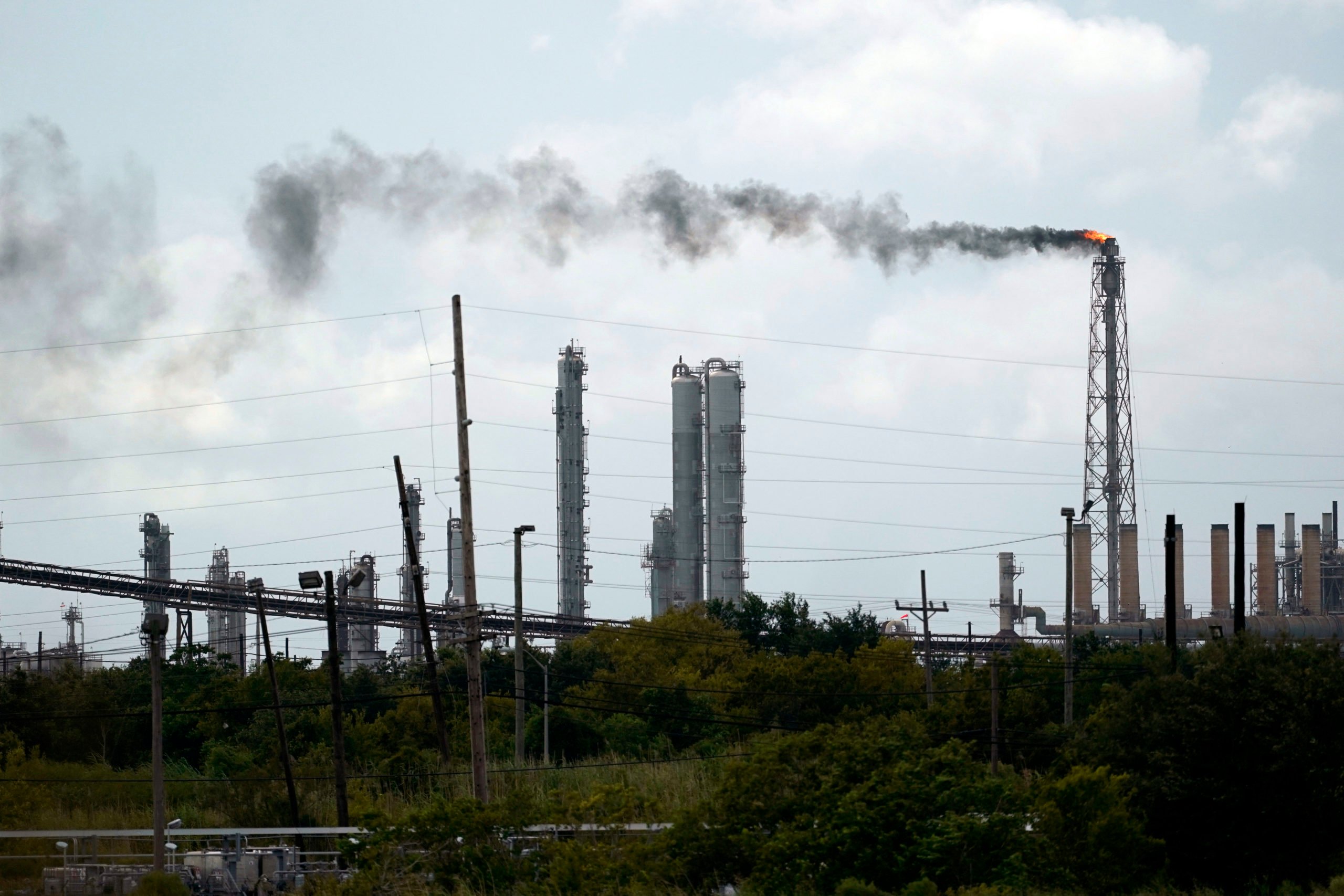
Researchers in Houston analyzed the locations of 114 proposed industrial projects related to oil and gas in Texas, most of them involved in plastics production.
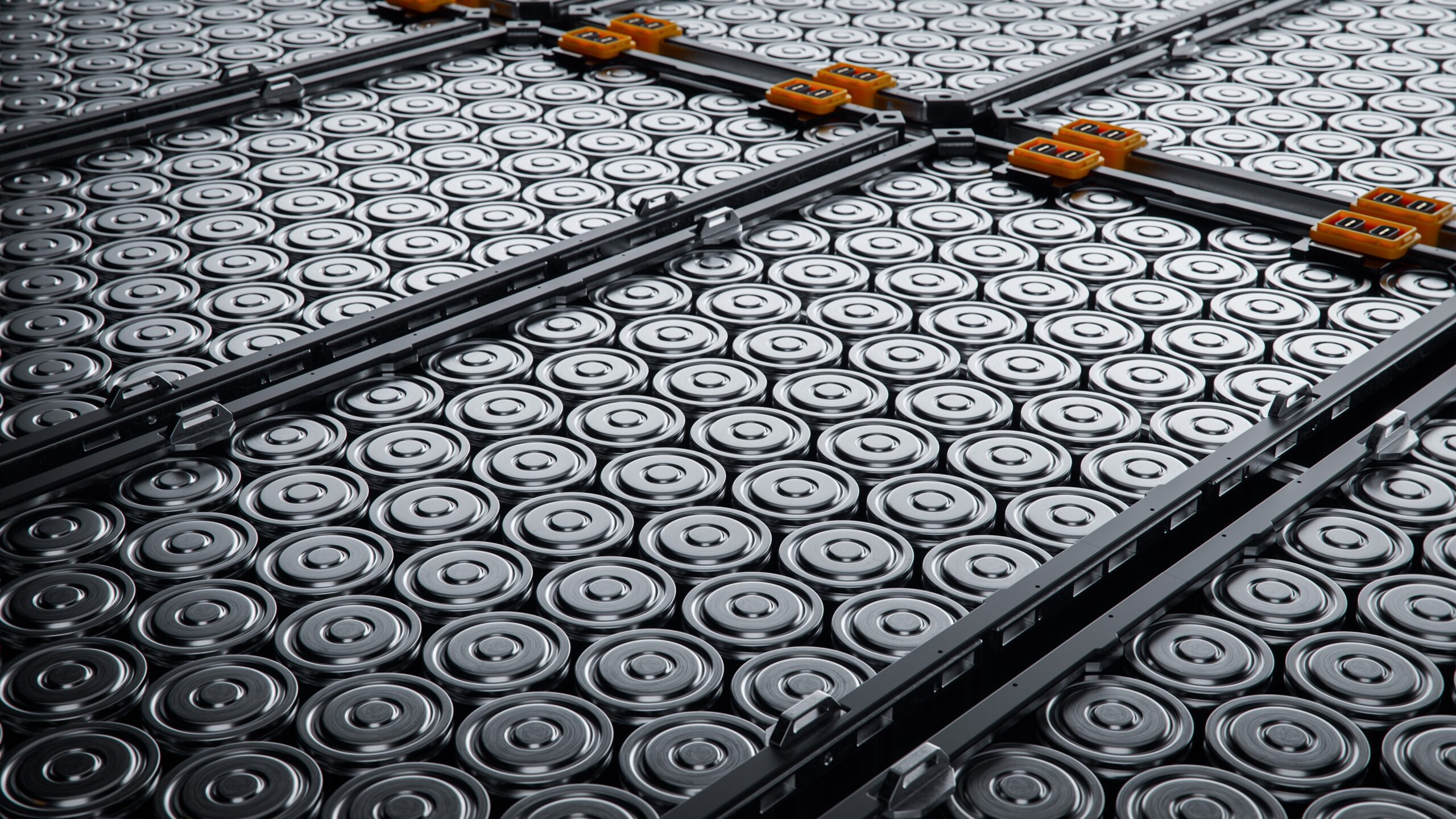
The United States doesn’t produce the minerals and metals needed for renewable energy, microchips, or military technology. Authorities want to change that as quickly as possible.
A bill in the Texas Legislature would protect the last 21 pristine watersheds. But for years, previous attempts have been defeated by powerful homebuilders.