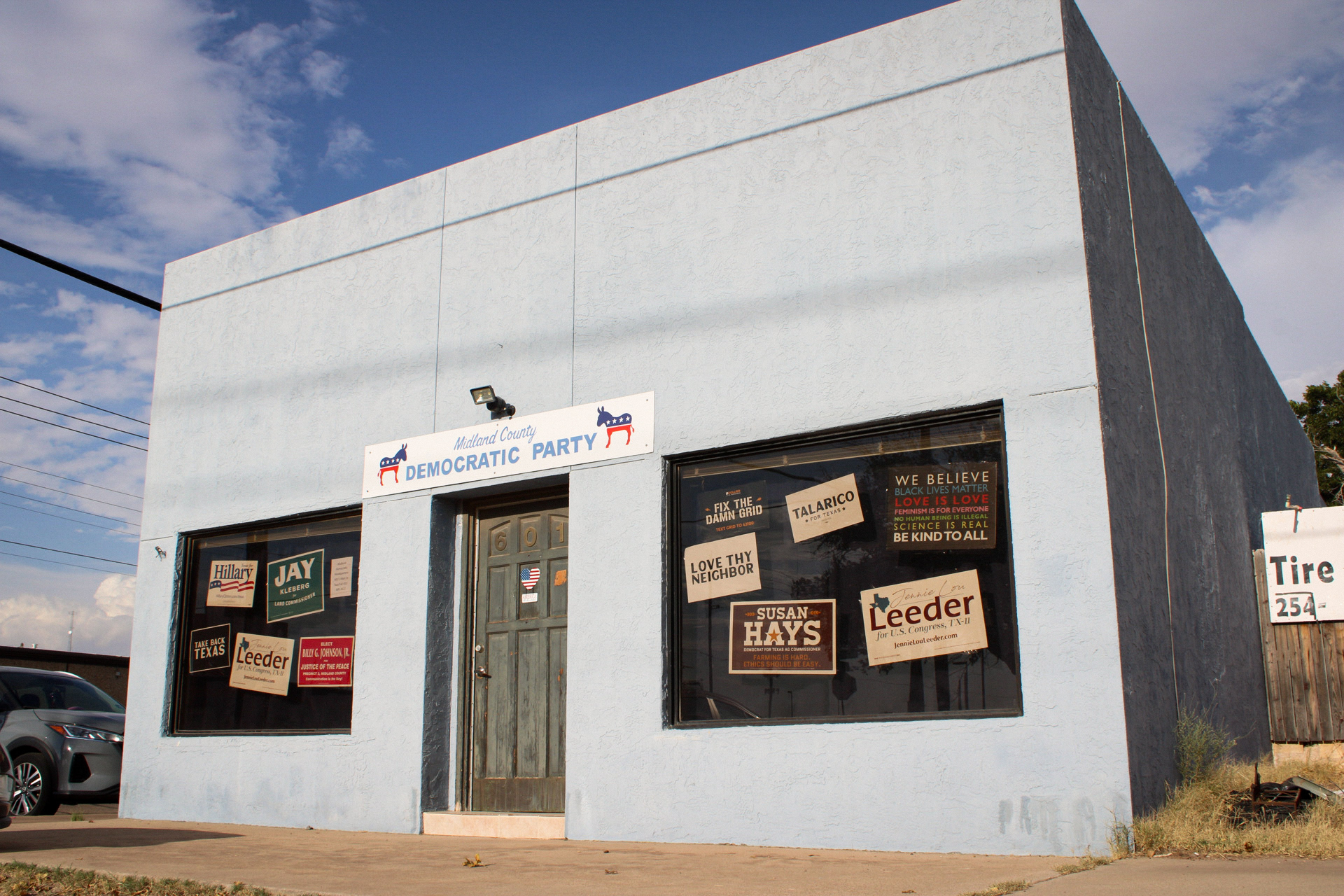
‘Up Against a 500-Pound Gorilla’: Can Dems Make Inroads in Deep-Red West Texas?
With a candidate on the ballot in every state and federal race, the minority party is trying hard to gain some ground in the GOP’s electoral firewall.
Since 1954
With a candidate on the ballot in every state and federal race, the minority party is trying hard to gain some ground in the GOP’s electoral firewall.
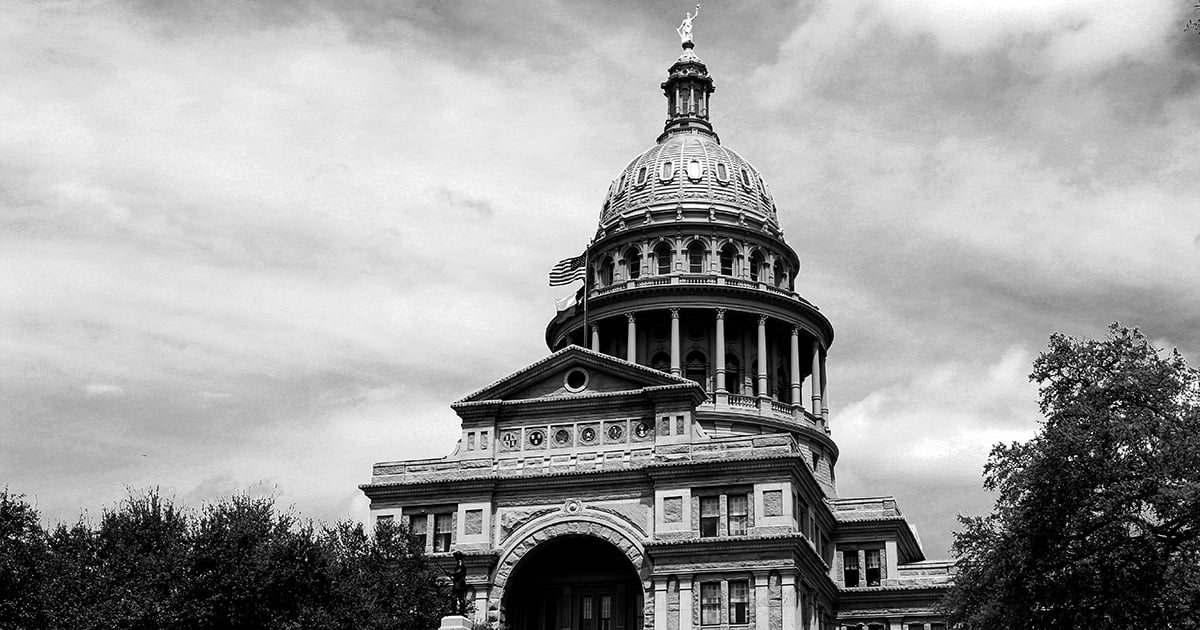
The measures would sew up the so-called Boeing loopholes, which the government has used thousands of times to keep taxpayer-funded deals private.
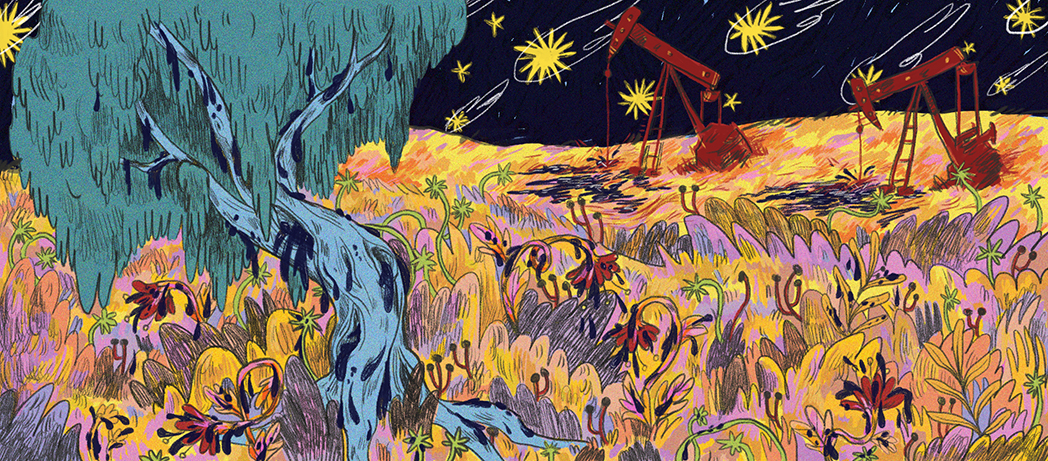
Experts have long debated the efficacy of capturing and storing carbon underground to reduce emissions. Now, in North Texas, oil and gas companies are getting in on the game.
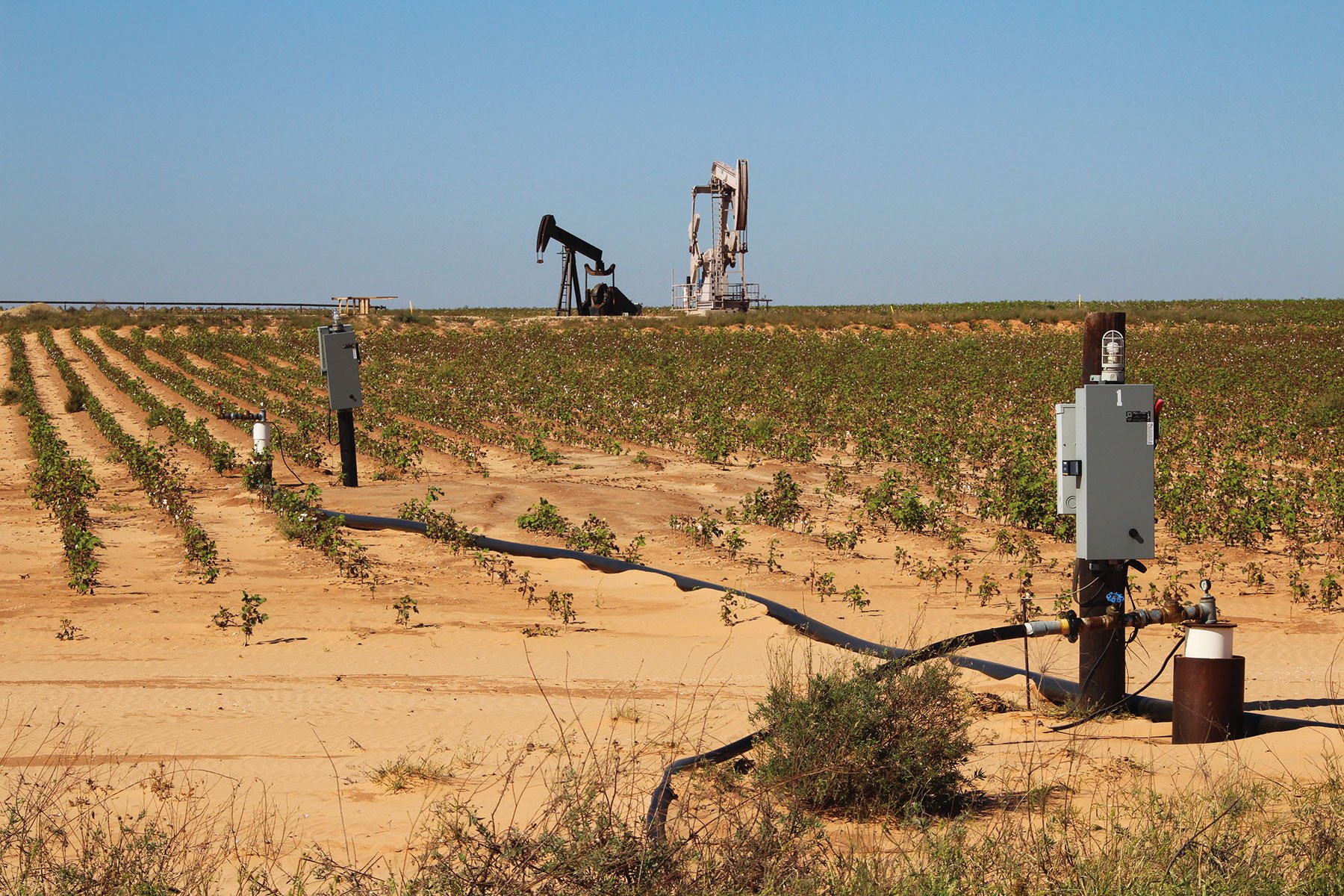
Sulfur dioxide levels in the vast West Texas region may be hitting dangerous levels. Meanwhile, the state is hardly bothering to monitor the pollutant.
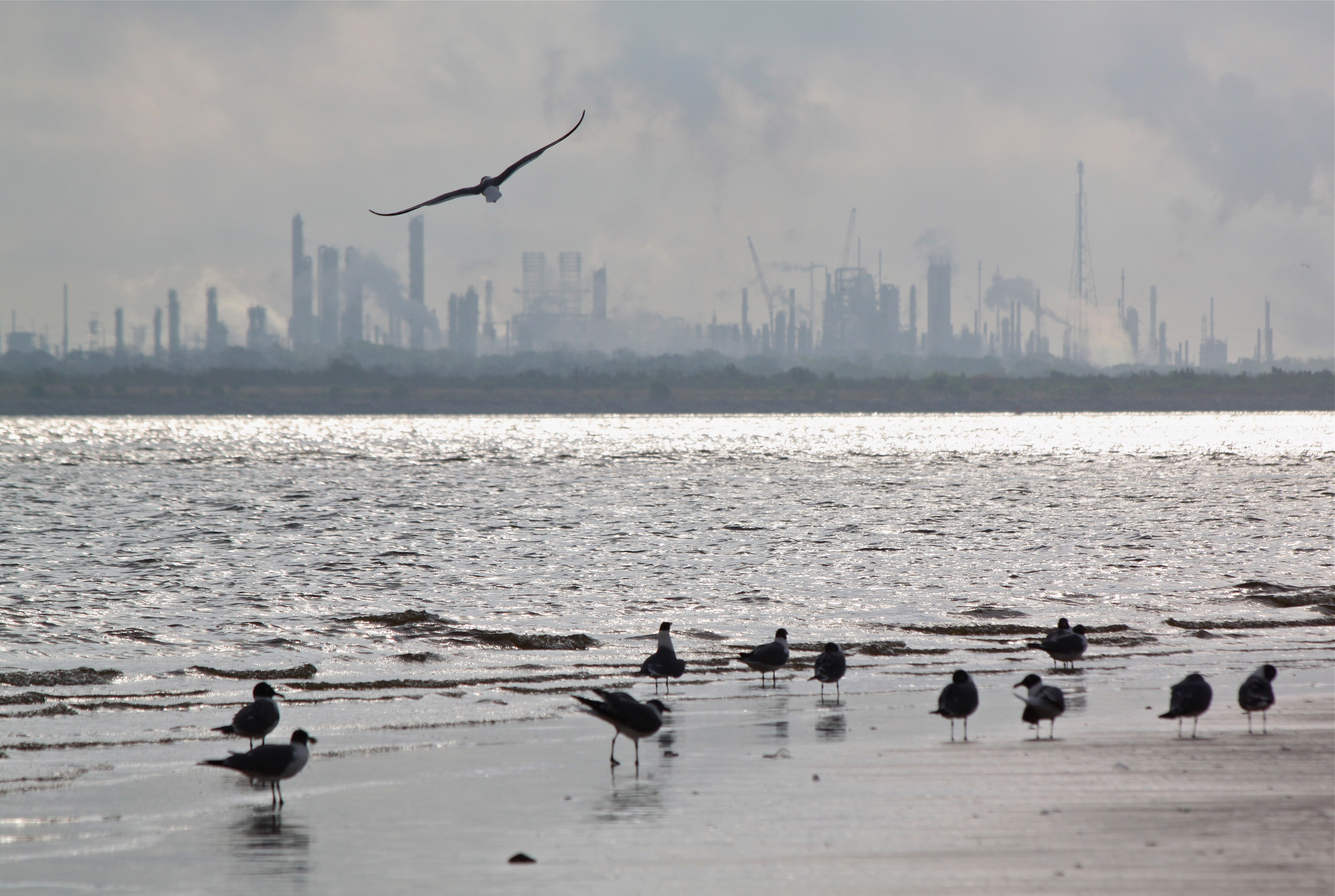
Trump’s EPA rescinded a rule that would have forced Texas to close a loophole exploited by industrial polluters in 97 percent of illegal emission events.
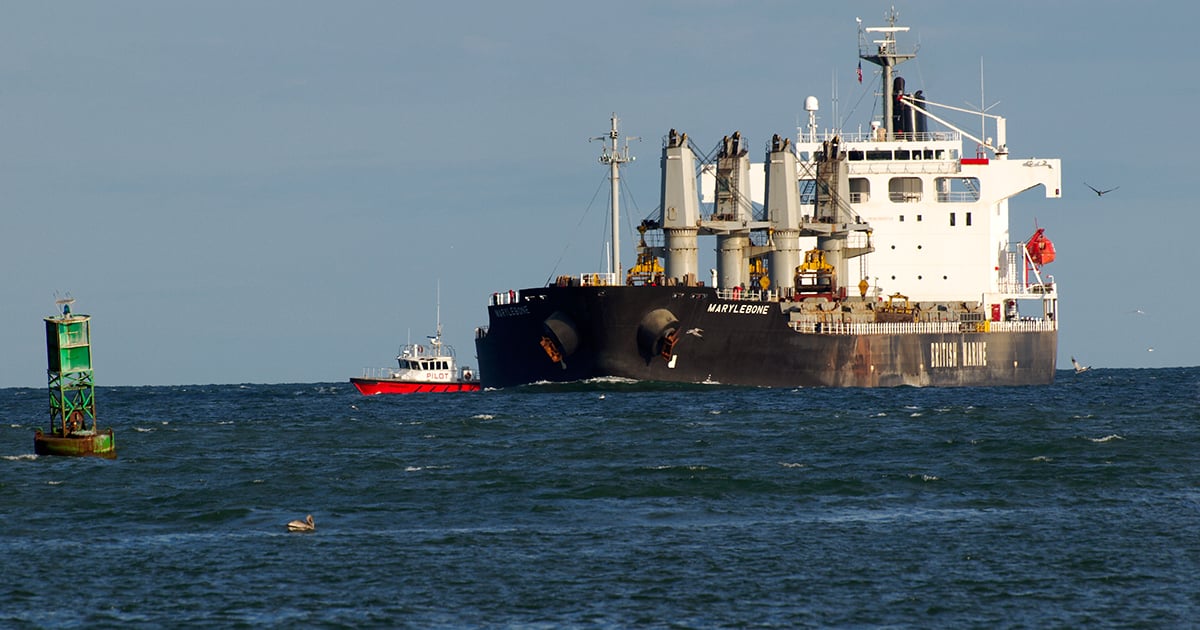
As the agency courts tankers that can carry 2.2 million barrels of crude each, activists worry that the plan could spoil the habitats of the aquatic species that thrive here.

About a quarter of Texas counties have two or fewer primary care doctors and pharmacists. What happens if they refuse service?
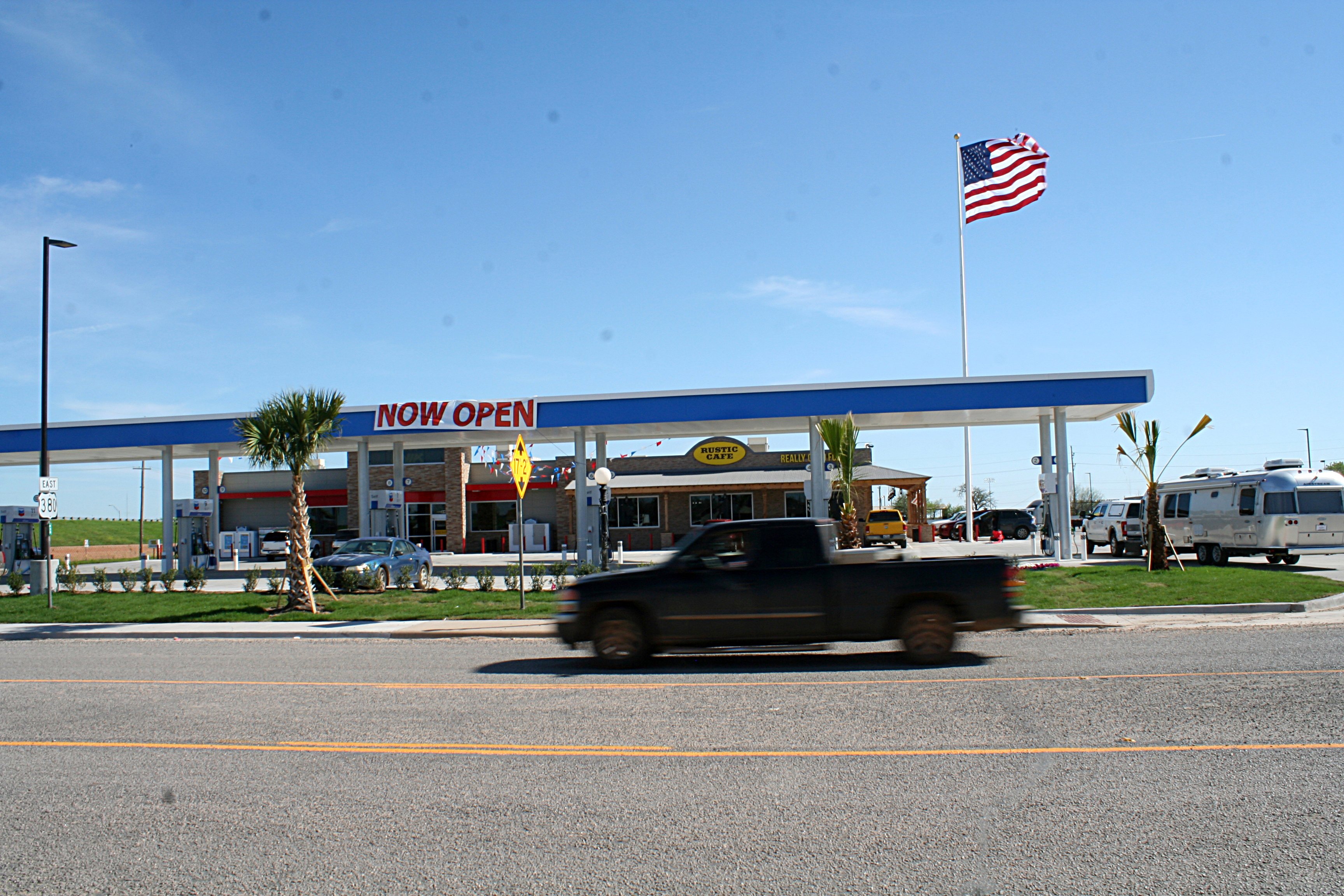
As the Legislature considers greenlighting hemp production, a litany of farmers, rural economic development advocates and even conservative Republicans are singing its praises.

What does it take to revive a struggling small town?
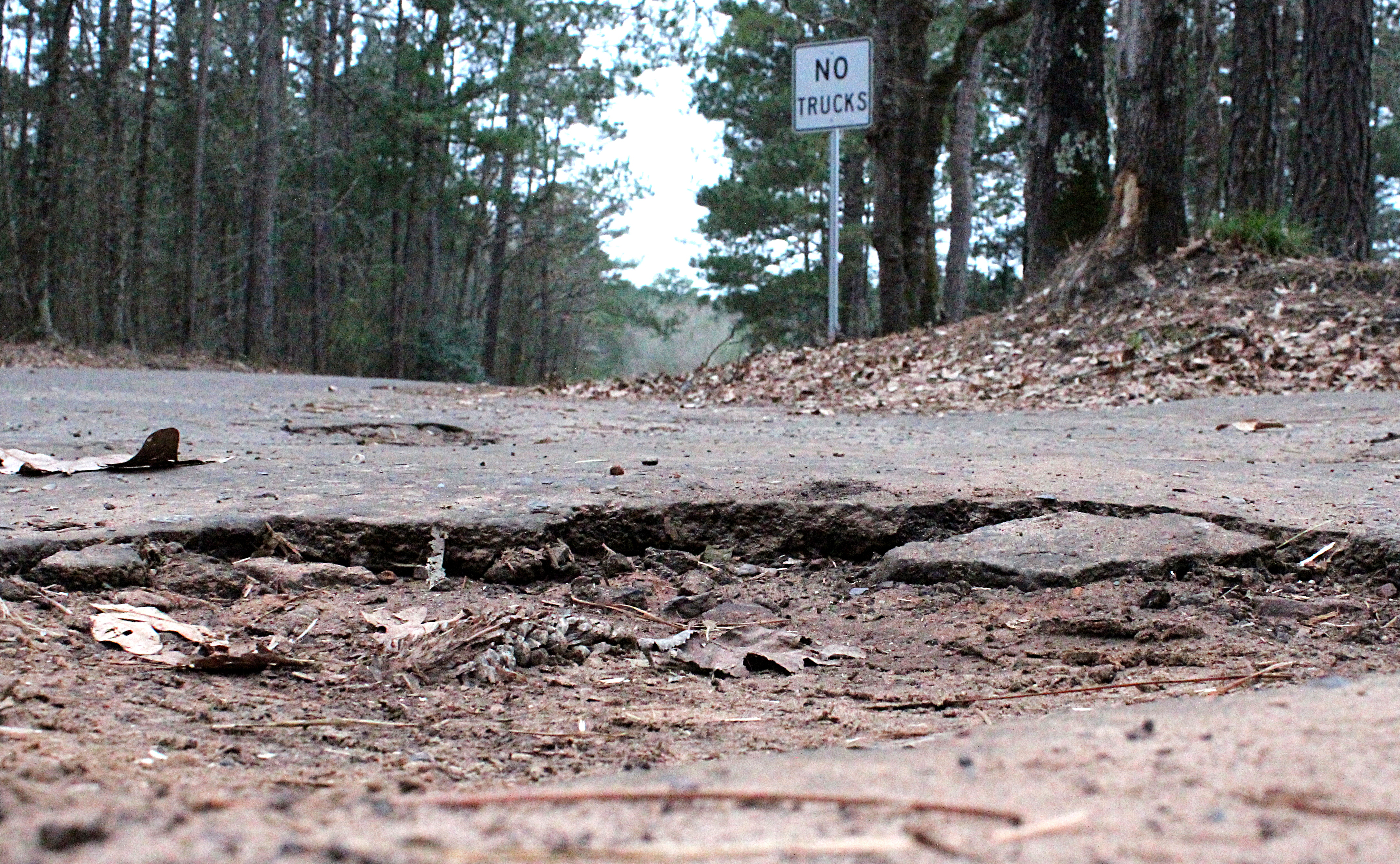
As industrial chicken farming expands to East Texas, local residents say they’ve been bombarded with the waste of hundreds of thousands of birds, an “overpowering” stench and heavy truck traffic.