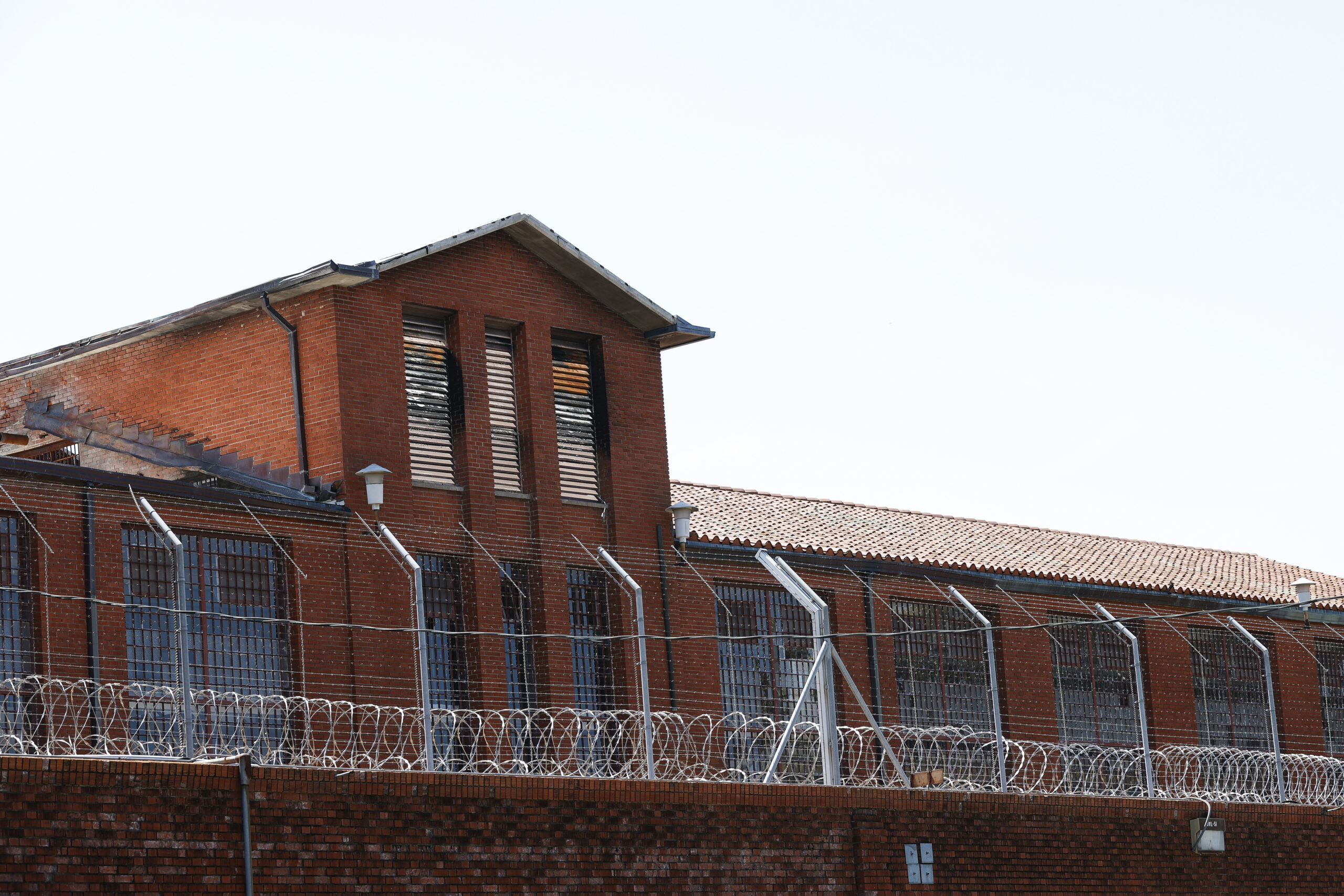
The Distance Between Dying and Death
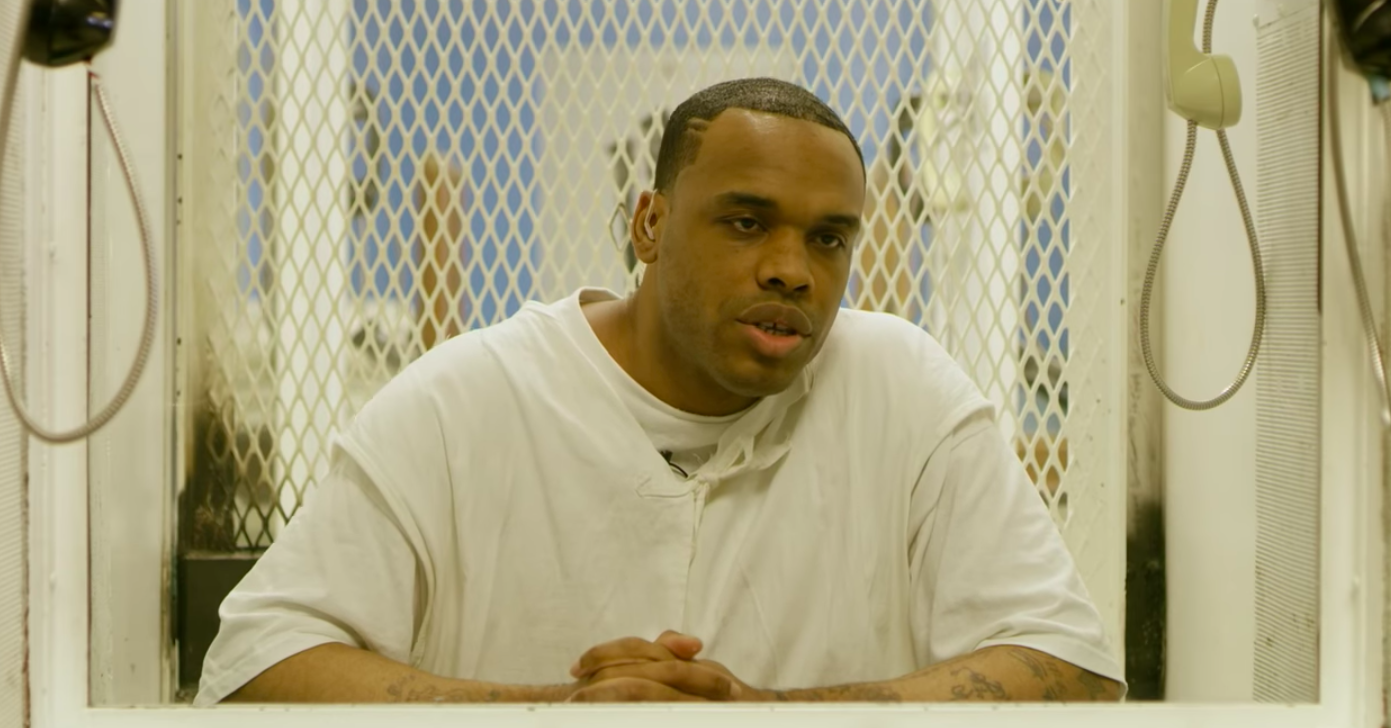
Jamaal Howard is set to die this Wednesday, the first scheduled U.S. execution after one was badly botched in Tennessee. As his spiritual advisor, I'll be in the room with him.
Since 1954
Jamaal Howard is set to die this Wednesday, the first scheduled U.S. execution after one was badly botched in Tennessee. As his spiritual advisor, I'll be in the room with him.
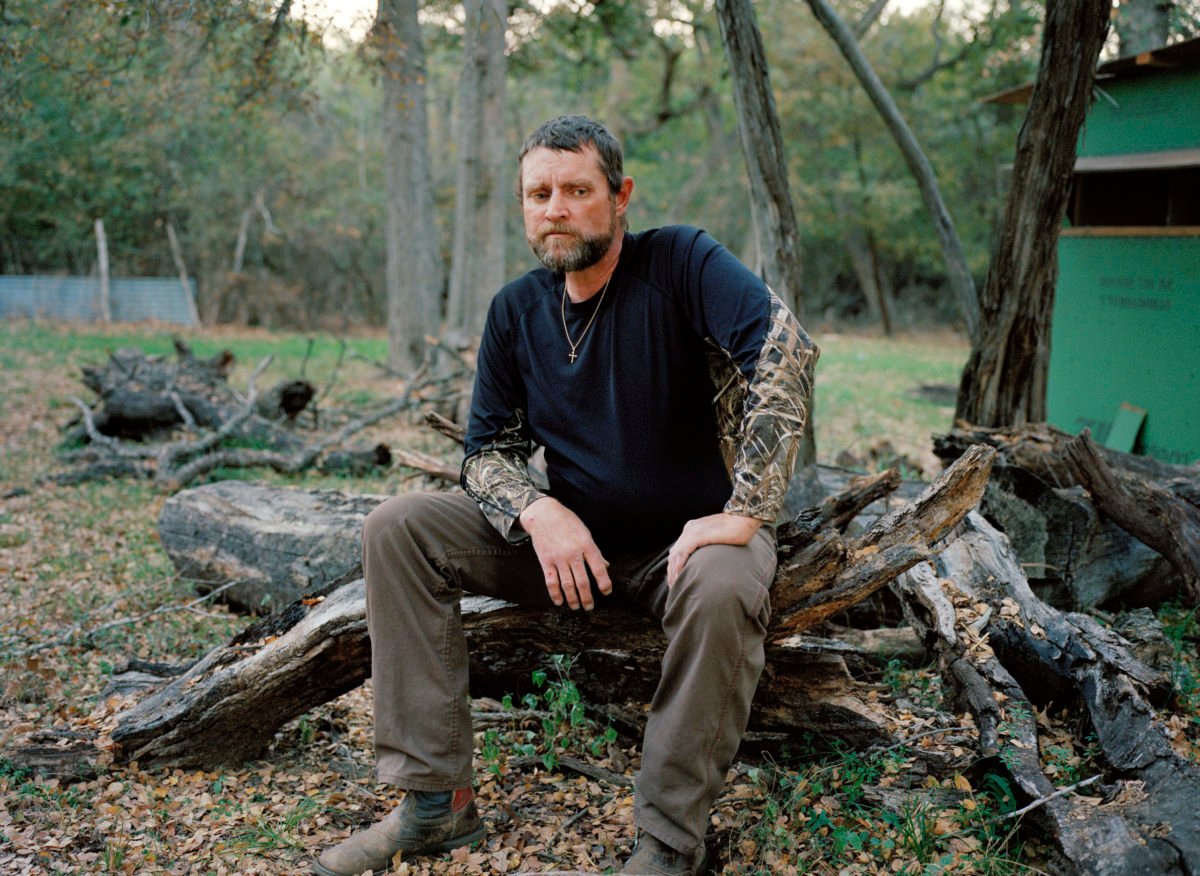
In his new book, journalist Maurice Chammah ties Texas' embrace of capital punishment to the state's frontier mythos.
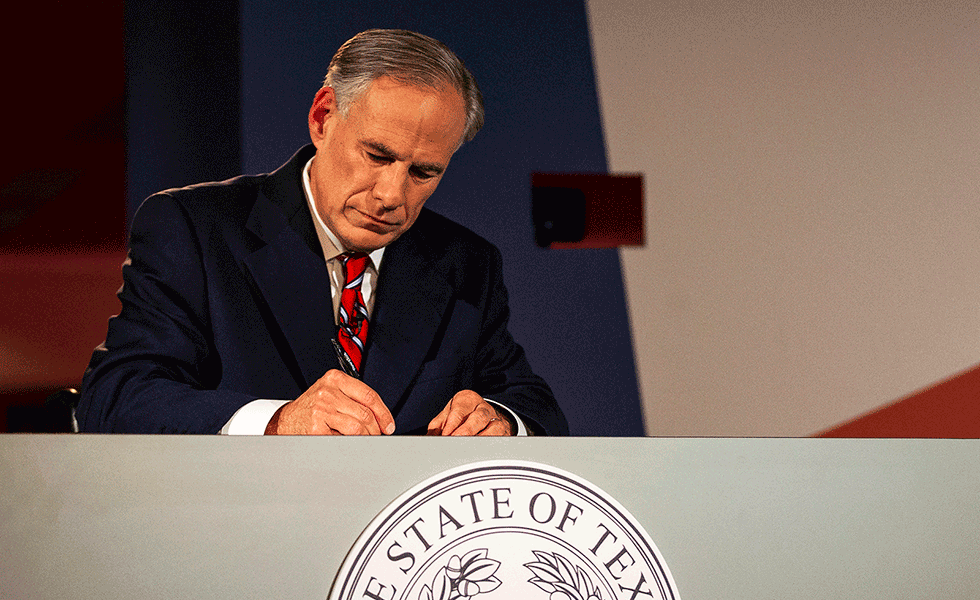
A last-minute court intervention relieved political pressure on the Texas governor, who was ultimately able to keep his capital punishment bona fides intact.
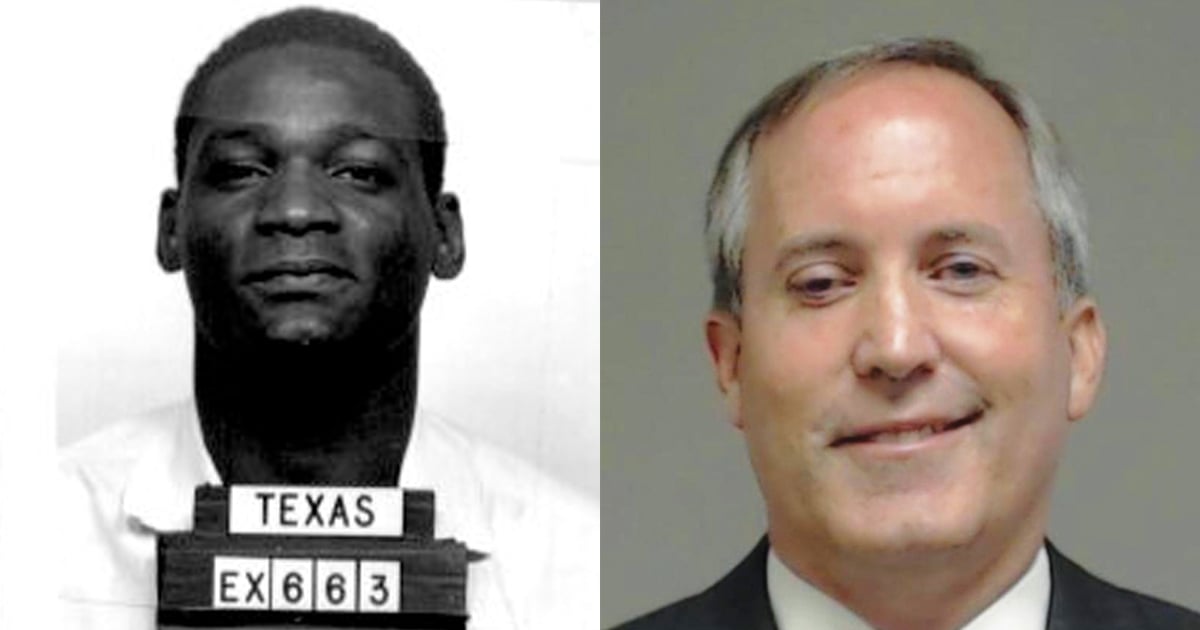
After passing the House, HB 1139, meant to reform how Texas decides whether a defendant is too intellectually disabled to execute, was significantly softened in Senate committee.
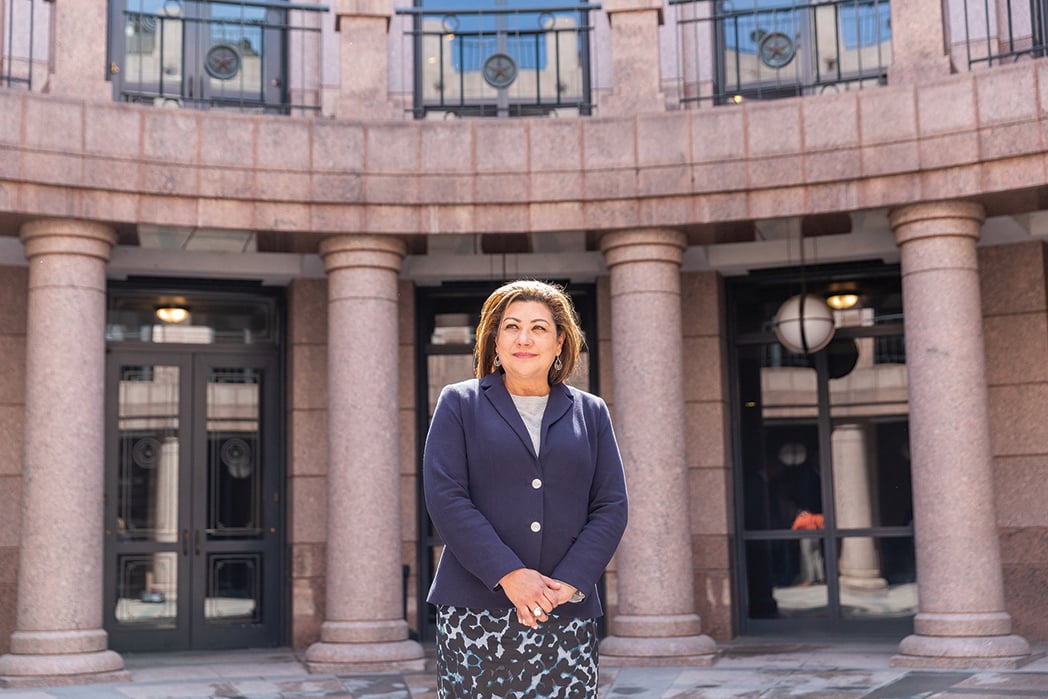
Texas’ highest criminal court turned Elsa Alcala into one of the state’s most prominent death penalty critics.
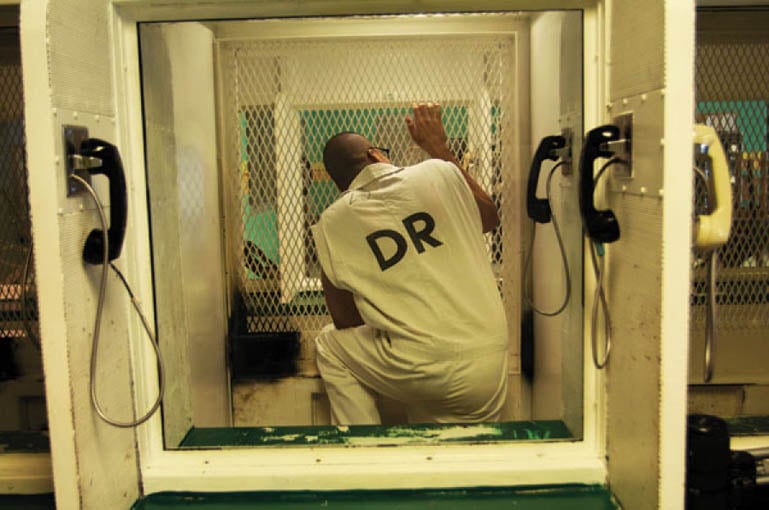
Texas Innocence Network founder David Dow’s first foray into fiction explores the trauma of a wrongful conviction.
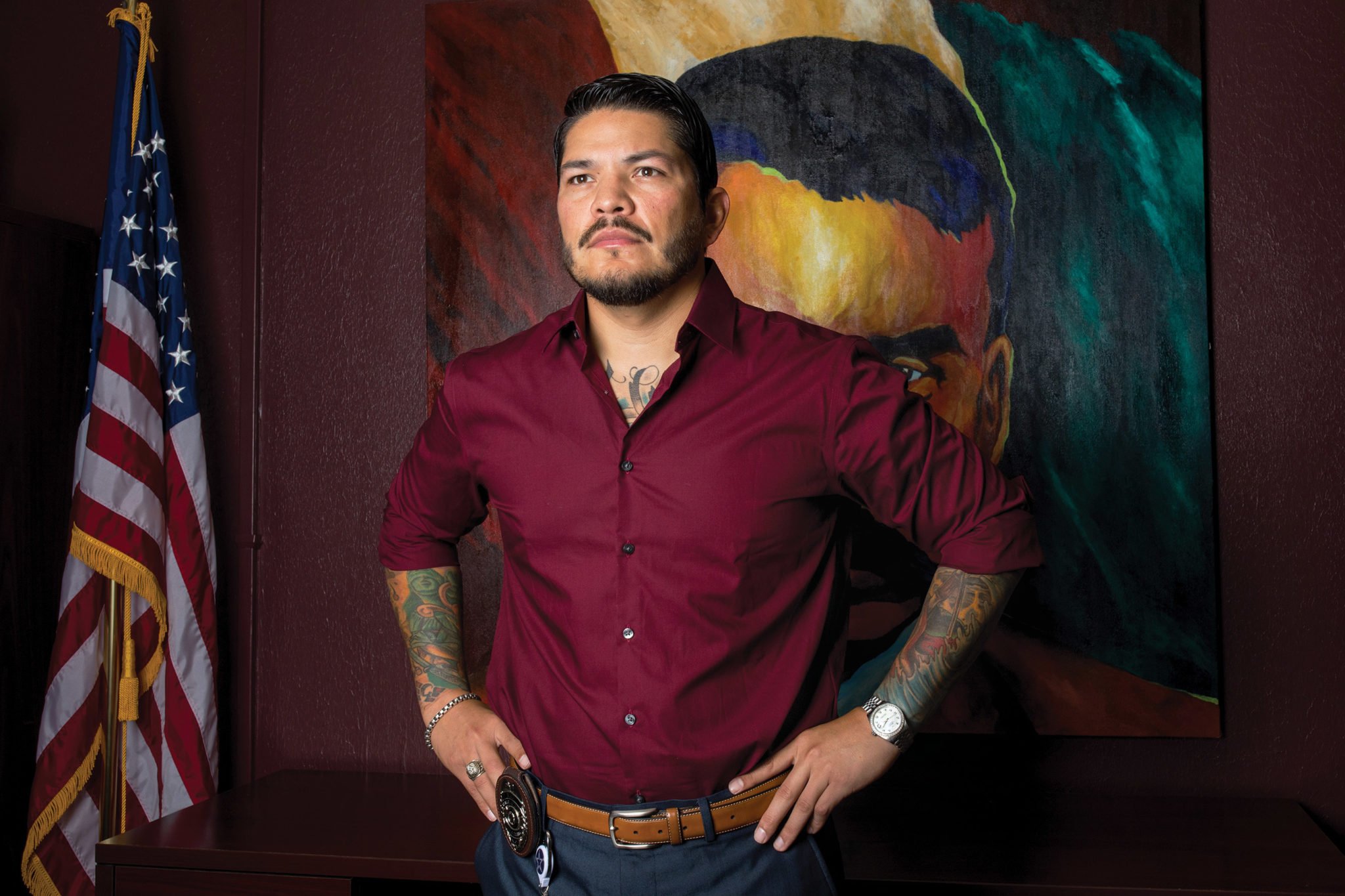
Mark Gonzalez wants a jury to help him decide whether Nueces County should keep sending people to death row.
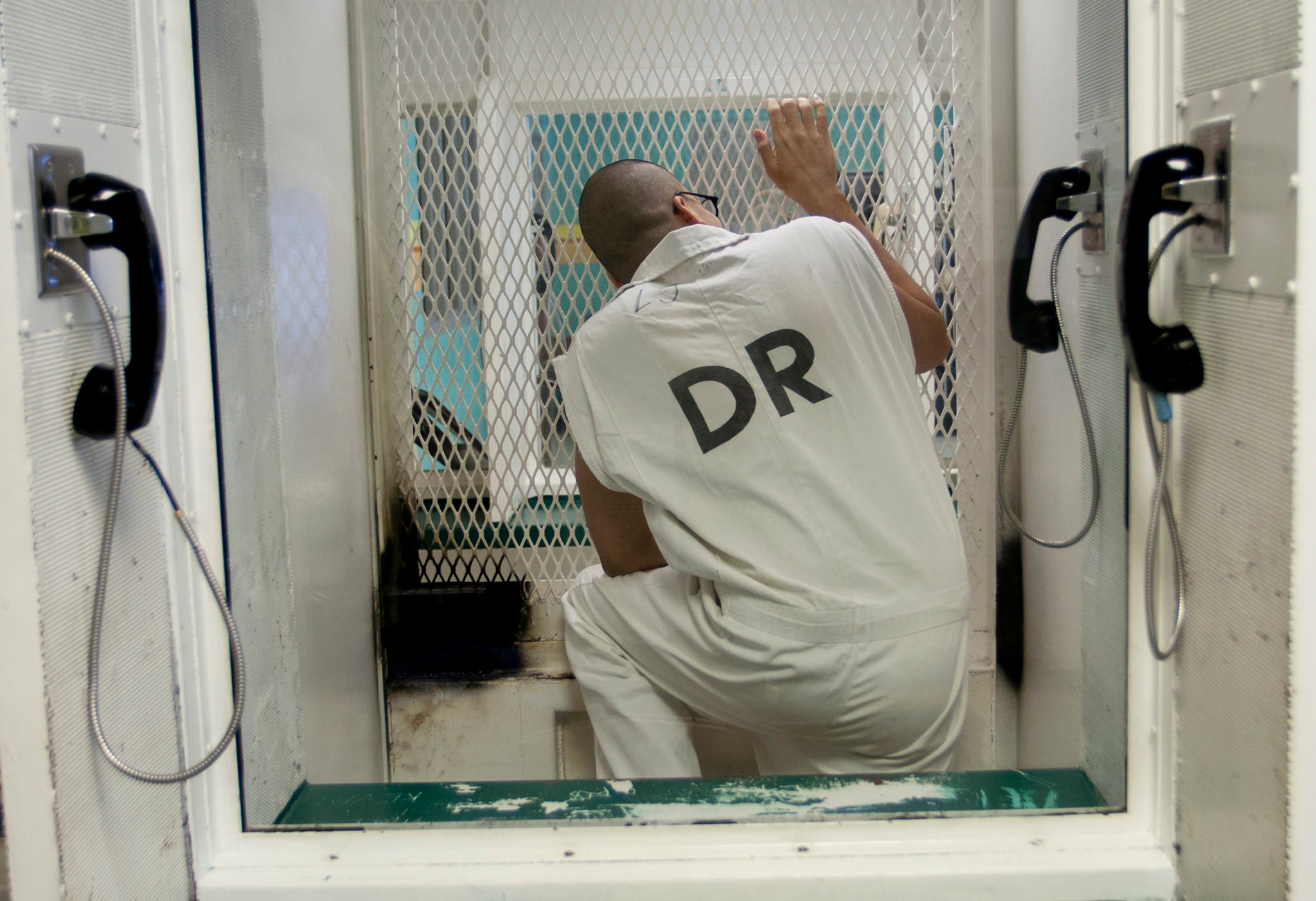
New revelations about the source of Texas’ execution drugs underscore the risks of capital punishment shrouded in secrecy.
Prosecutors have agreed to spare Bobby Moore’s life due to his intellectual disability. Texas’ highest criminal court and top legal official want to kill him anyway.
The clemency process is a black box — one where hearings are rarely held and decisions are never really explained, making it nearly impossible to prove bias.