When Local Police Collaborate with ICE, Children Pay the Price
I know exactly what message the recent deportation of an Austin mom and her 5-year-old sends to kids. They learn that calling 911 is dangerous.
Editor’s Note: The author of this article is currently one of eight Democrats running in the March 3 primary for state House District 49, the seat vacated by gubernatorial candidate Gina Hinojosa. You can read more about the candidates here.
I grew up undocumented in this country. From an early age, I learned how fear can live quietly inside a child. I learned to listen for sirens, notice unfamiliar cars, and worry whether a normal school day would end with my family separated. For many undocumented children and their parents, life is not defined by safety or stability, but by vigilance.
That is why what we are witnessing today is so alarming and so familiar. Children are once again being used as political footballs, caught in the crosshairs of immigration enforcement designed to intimidate rather than protect.
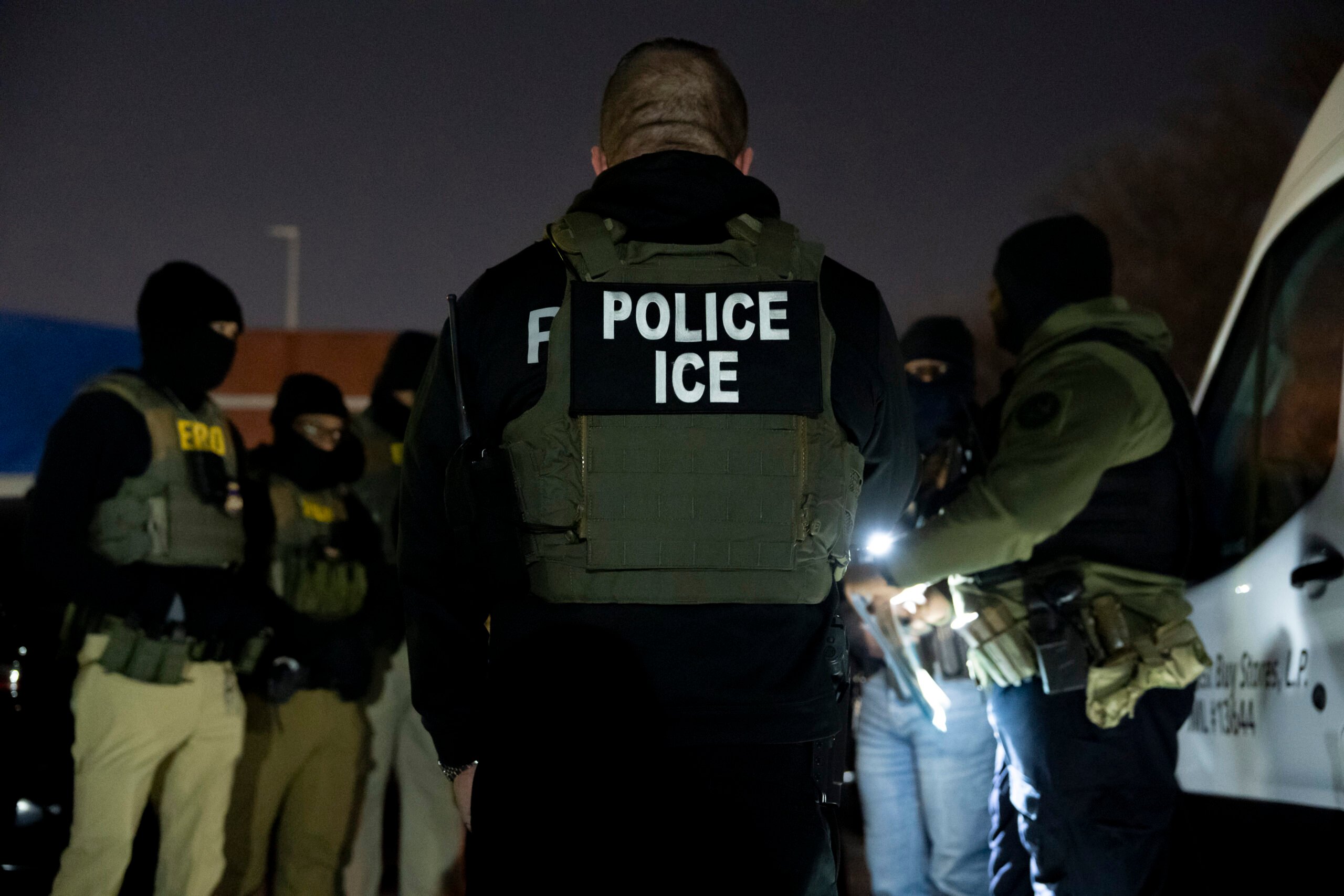
The world now knows the name of Liam Conejo Ramos, the five-year-old apprehended by Immigration and Customs Enforcement (ICE) in Minneapolis. But let’s bring this closer to home. Last month, right here in Austin, 26-year-old Karen Gutiérrez Castellanos, a Honduran national, and her 5-year-old were deported after Austin police alerted Immigration and Customs Enforcement following a 911 call reporting a disturbance in Southwest Austin. An Austin police officer identified an administrative warrant in a federal database and contacted ICE. Soon both mother and child were detained and removed from the country.
Let that sink in. A call for help triggered a chain of events that ended with the deportation of a mother and her U.S. citizen child. This is not public safety. This is a system that punishes families for seeking help and turns local police into extensions of federal immigration enforcement.
I know exactly what messages moments like this send to children. They learn that calling 911 is dangerous. They learn that police are not there to protect them. They learn that even citizenship does not guarantee safety when your family is undocumented. And they learn, most devastatingly, that they are disposable.
Research on child development is unequivocal: Children need safety, routine, and trust to develop socially, emotionally, and cognitively. When those foundations are shattered, children shift into survival mode. Anxiety interferes with learning. Fear disrupts memory and attention. Emotional regulation becomes harder. Long-term trauma becomes more likely.

I lived that reality. In school, my mind was often divided—half focused on the lesson, half bracing for loss. I struggled to concentrate not because I lacked intelligence or motivation, but because fear hijacks a developing brain. That kind of hypervigilance might help a child endure uncertainty, but it comes at a cost: Curiosity shrinks, confidence erodes, and joy becomes conditional.
When children witness classmates detained, hear about neighbors deported, or watch a parent disappear after a routine interaction with police, the damage ripples outward. Entire communities retreat into silence. Parents avoid schools. Families stop reporting crimes. Children carry fear into classrooms that are supposed to be places of learning and growth.
This is why Austin must take a stand. Austin should not collaborate with ICE. Doing so does not make us safer, it makes our communities less safe. When local governments entangle themselves with immigration enforcement, trust collapses. Public safety suffers. And children pay the highest price.
The case of Karen Gutiérrez Castellanos and her daughter is not an isolated incident; it shows how easily a moment of vulnerability can turn into permanent family separation. It shows how policies on paper translate into trauma in real life.
This is not about partisan politics. It is about whether we believe children deserve protection or punishment. It is about whether we allow fear to guide policy, even when it harms the most vulnerable among us.
Kids should never be used to send political messages. And they should never have to wonder whether asking for help will cost them their family. If we truly care about safety, learning, and community well-being, we must reject collaboration with ICE and center policies that protect families—not tear them apart.
Our children deserve nothing less.
You May Also Like
A Palestinian American Was Stabbed in ‘Bias-Motivated’ Attack in Austin
Police are investigating the assault as a potential hate crime as advocates call for local leaders to back a ceasefire in Gaza.

Mental Illness Shouldn’t Land You in Jail
Up to 40 percent of the people who end up behind bars in Travis County are in crisis. Diversion offers better options.
Austin Voters Reject Proposal to Super-Fund Police in Victory for Progressives
Fear and propaganda weren’t enough to save an expensive proposal to swell the police department in Texas’ bluest city.