Introduction by Ivan Flores and Gus Bova:
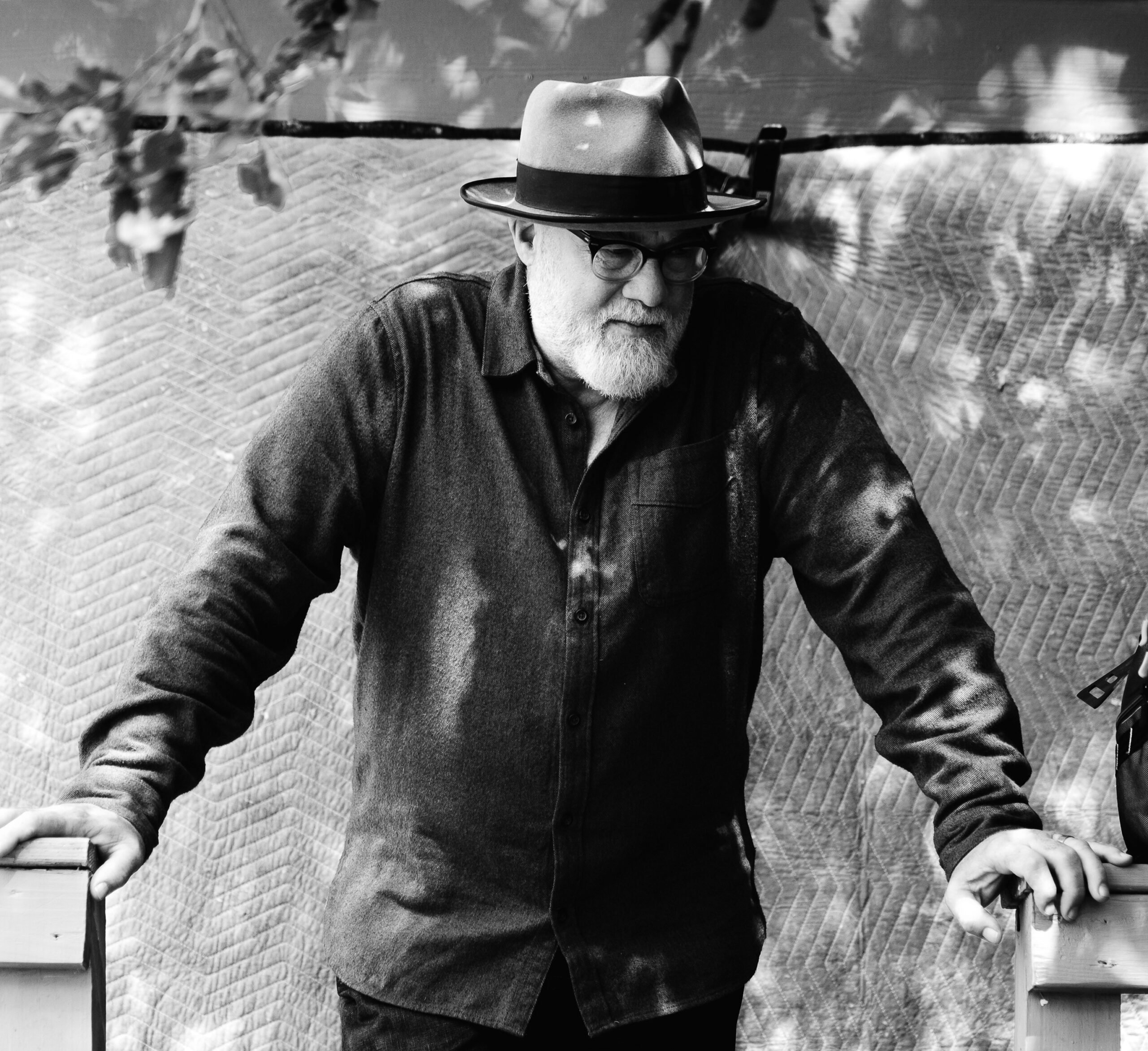
Half a century ago, as part of an oral history project, fine arts photographer Dee Azadian and hundreds of volunteer field researchers spent months interviewing and recording the senior residents of Caldwell County, long before an encroaching Austin swelled the population of that swath of Central Texas—today anchored by the stately courthouse and now-famed barbecue joints of Lockhart.
“Caldwell County is an impoverished, tricultural, rural county … impoverished, to use a stillborn logic, because there are many poor people, and tricultural in the sense that distinct communities of blacks, browns and whites make up the population,” reads the poetic and of-its-time introduction to the 1977 book that the oral history project spawned: Earth Has No Sorrow.
That book, archival photographs, and interviews today live on as the Caldwell County Photography and Oral History Collection at the University of North Texas Libraries Special Collections, and the original cassette tape recordings can be found at the Briscoe Center for American History in Austin.
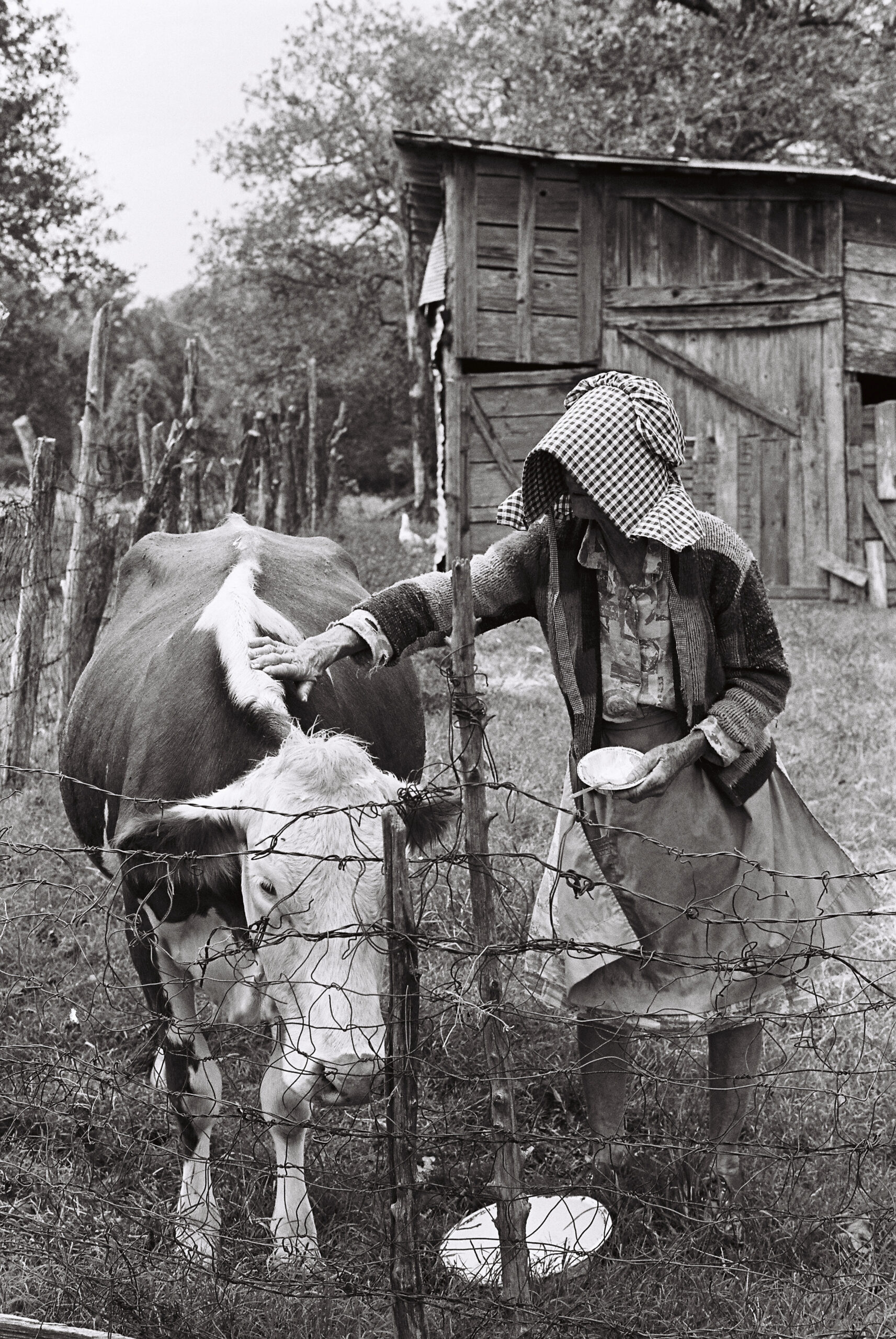
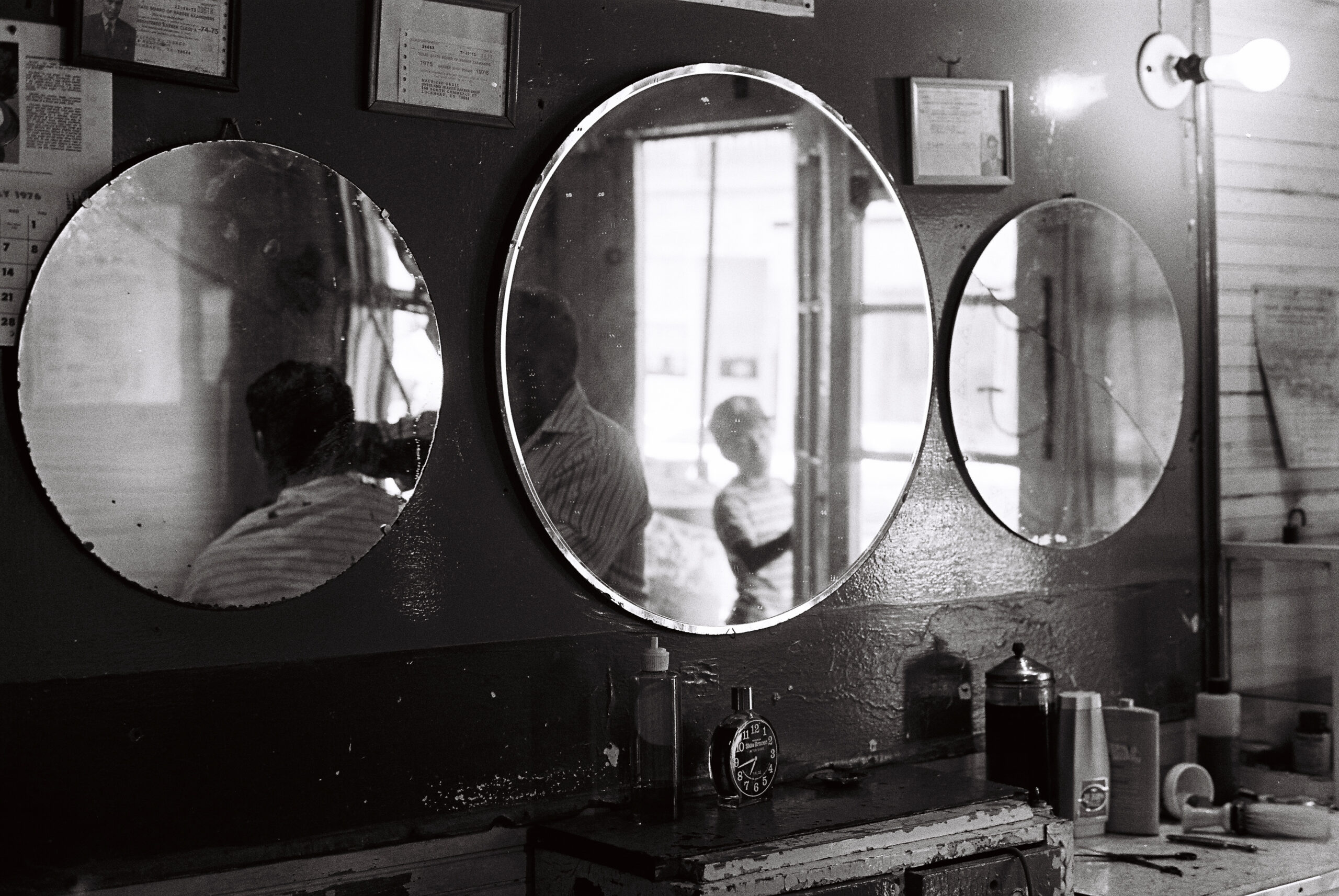
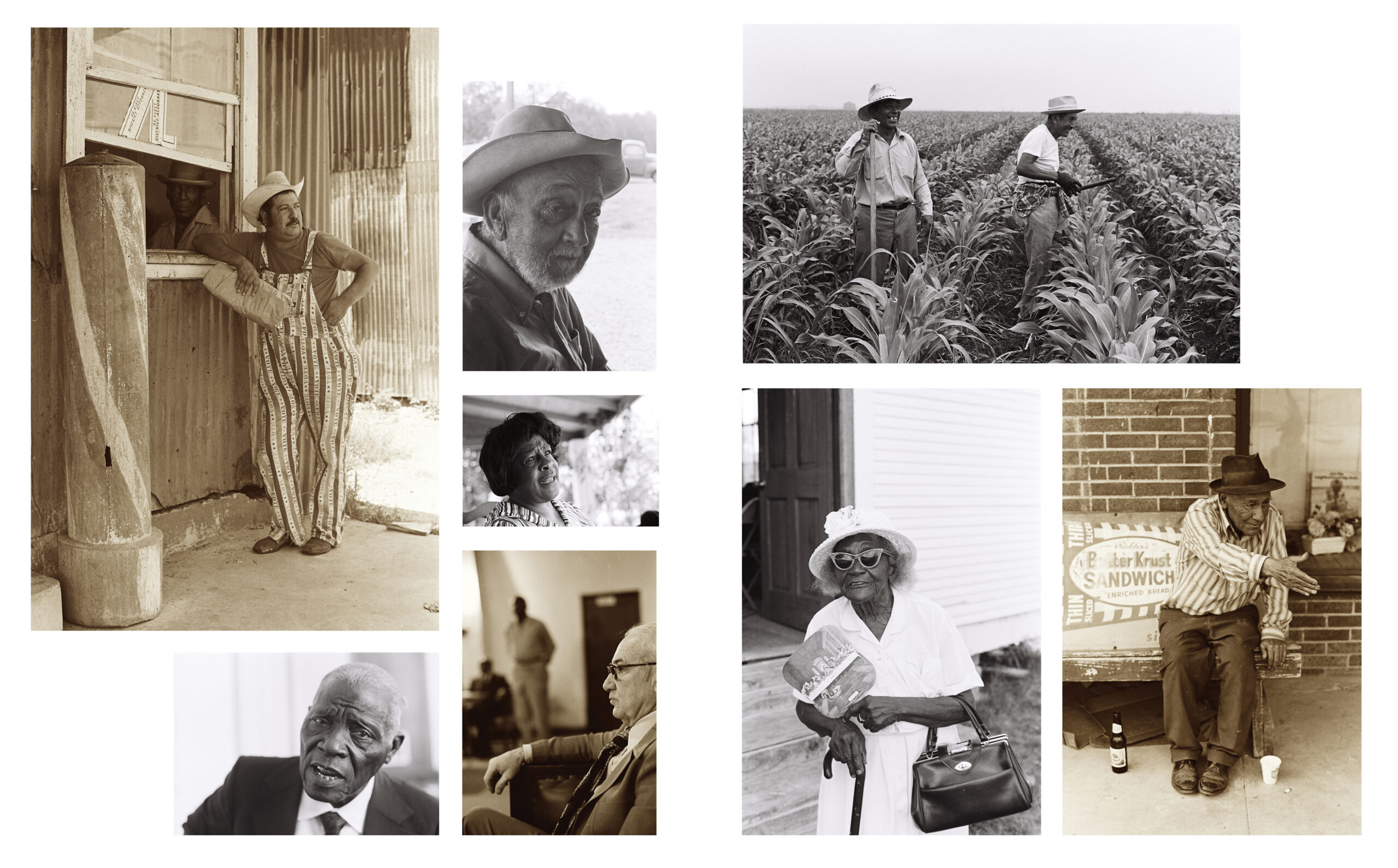
For the project, Azadian made portraits and landscapes of those he and his team interviewed, showcasing the racial and socioeconomic diversity of the county. Their work refocuses history through the lens of its ordinary participants rather than its leading men. And interviewing octogenarians in the 1970s brings us voices and historical material from the post-Civil War era.
These voices are often captured in haunting turns of phrase in the printed oral history. “I came with the century. … Rightfully, I didn’t know my mother. She died when I was born—I was born and she died,” begins the recollection of Felipe Limas, a Mexico-born grocery store owner.
“When Grandma was nine years old, the stars fell. Did you know the stars fell once?” opens Florence Whitehead, a 90-year-old who was still tending her livestock near a spot off the road known as Delhi. And: “I’ve had an interesting life … exciting, moving from one degree of mystery to another,” starts Sadie Baylor, described in the book as “an evangelist and a healer.”
The images that the Texas Observer reprints here—on the occasion of the project’s 50th anniversary—may breed nostalgia. But, to be clear, the oral histories are replete with language to make the modern reader blush, as well as descriptions of grinding poverty and casual violence, reminding the reader that change is often for the good.
All told, it’s a beautiful body of work that challenges us to consider not just what is lost but what remains.
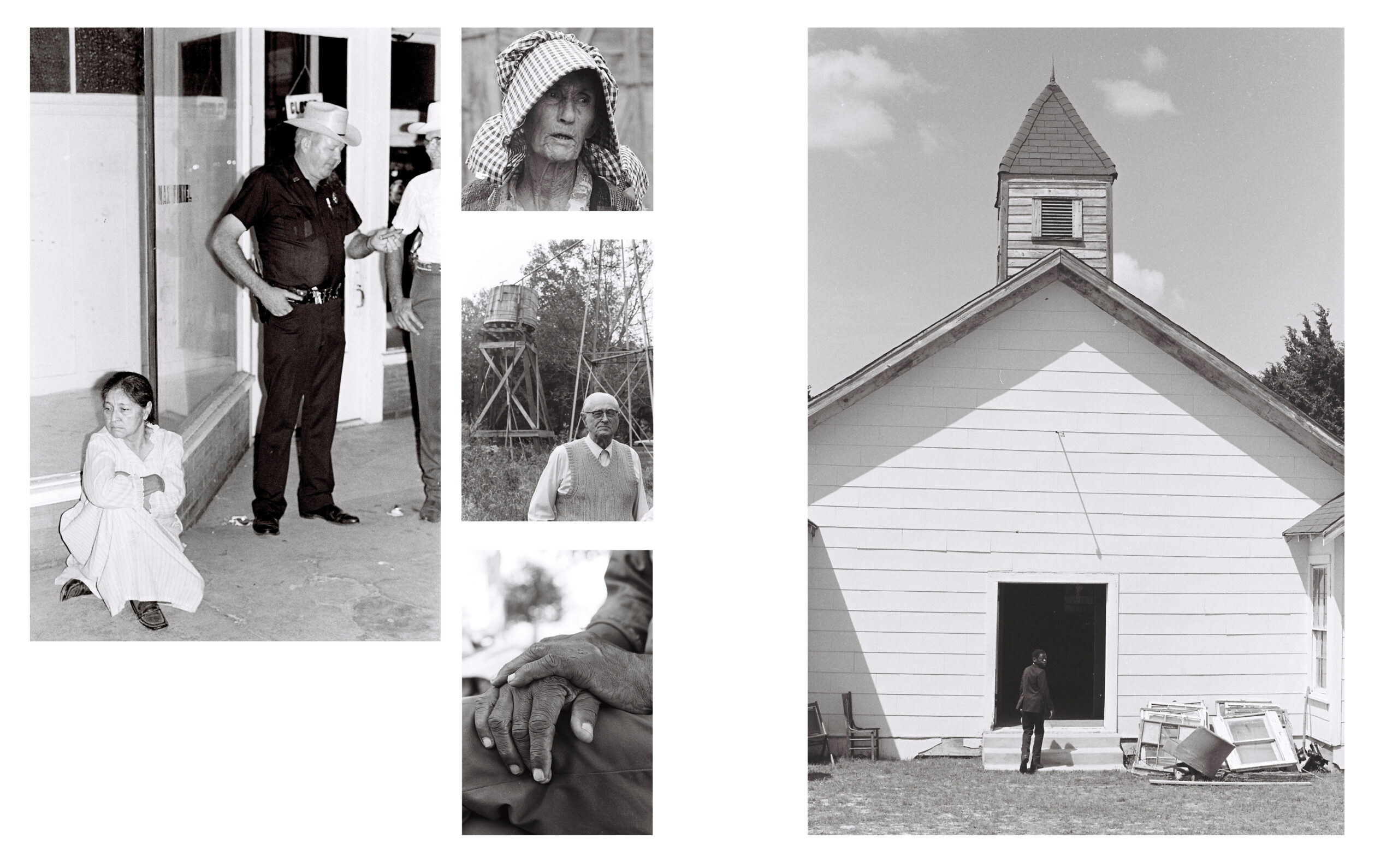
Editor’s Note: Please feel free to download the pdf below to view this photo essay as presented in print.