 gusbova.91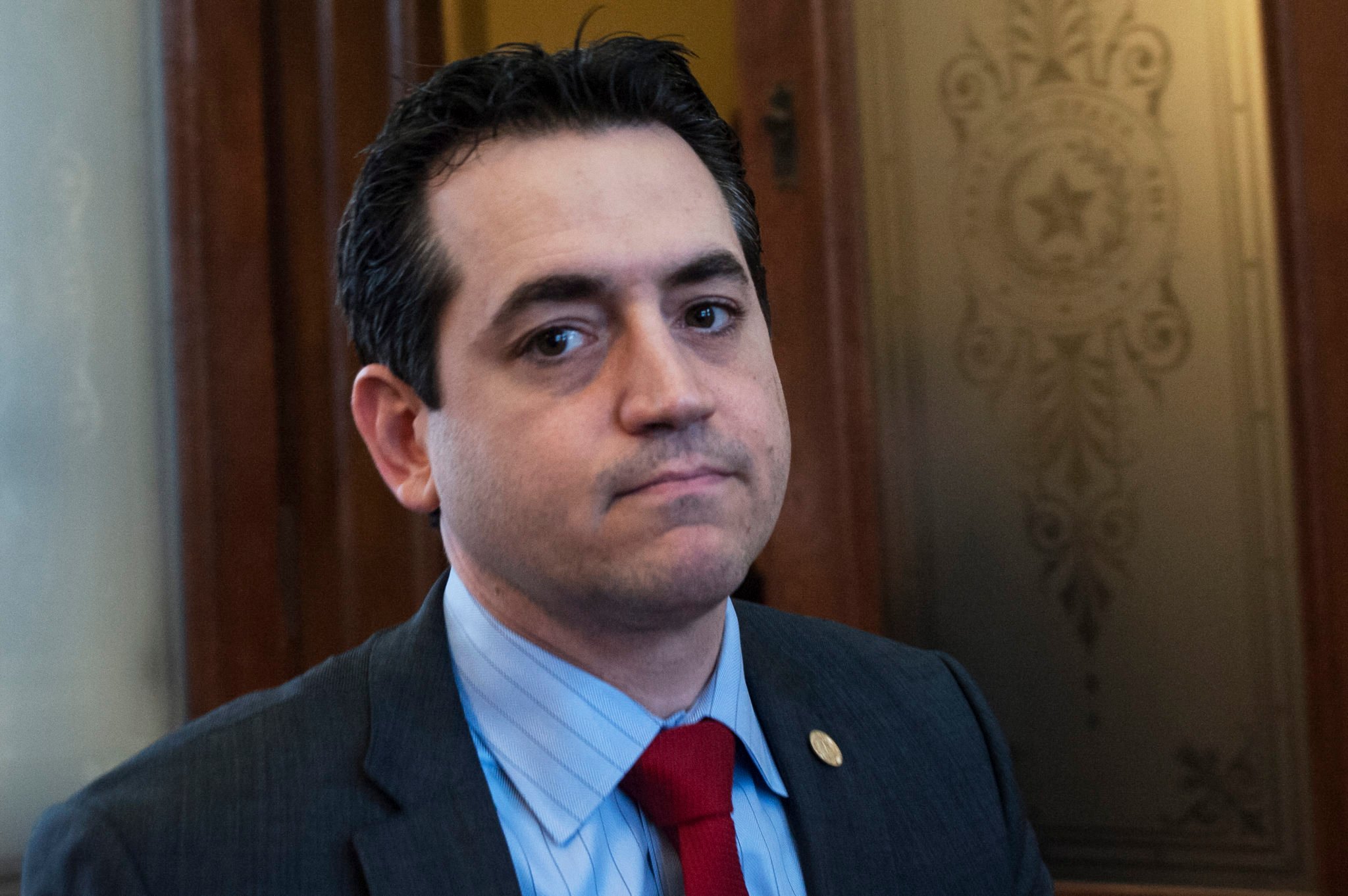
Texas Republican Called ICE on SB 4 Protesters, Threatened to Shoot Colleague
The incident happened as more than 1,000 immigrant rights supporters flooded the Texas Capitol.
Since 1954
Gus Bova is the editor-in-chief of the Texas Observer. In 2016, he joined the Observer as an intern, later becoming a staff writer and an assistant editor. He's covered immigration, homelessness, labor, politics, and other major Texas stories. Before coming to the Observer, he worked at a shelter for recently arrived immigrants and asylum-seekers. He studied Latin American Studies at the University of Kansas.
The incident happened as more than 1,000 immigrant rights supporters flooded the Texas Capitol.
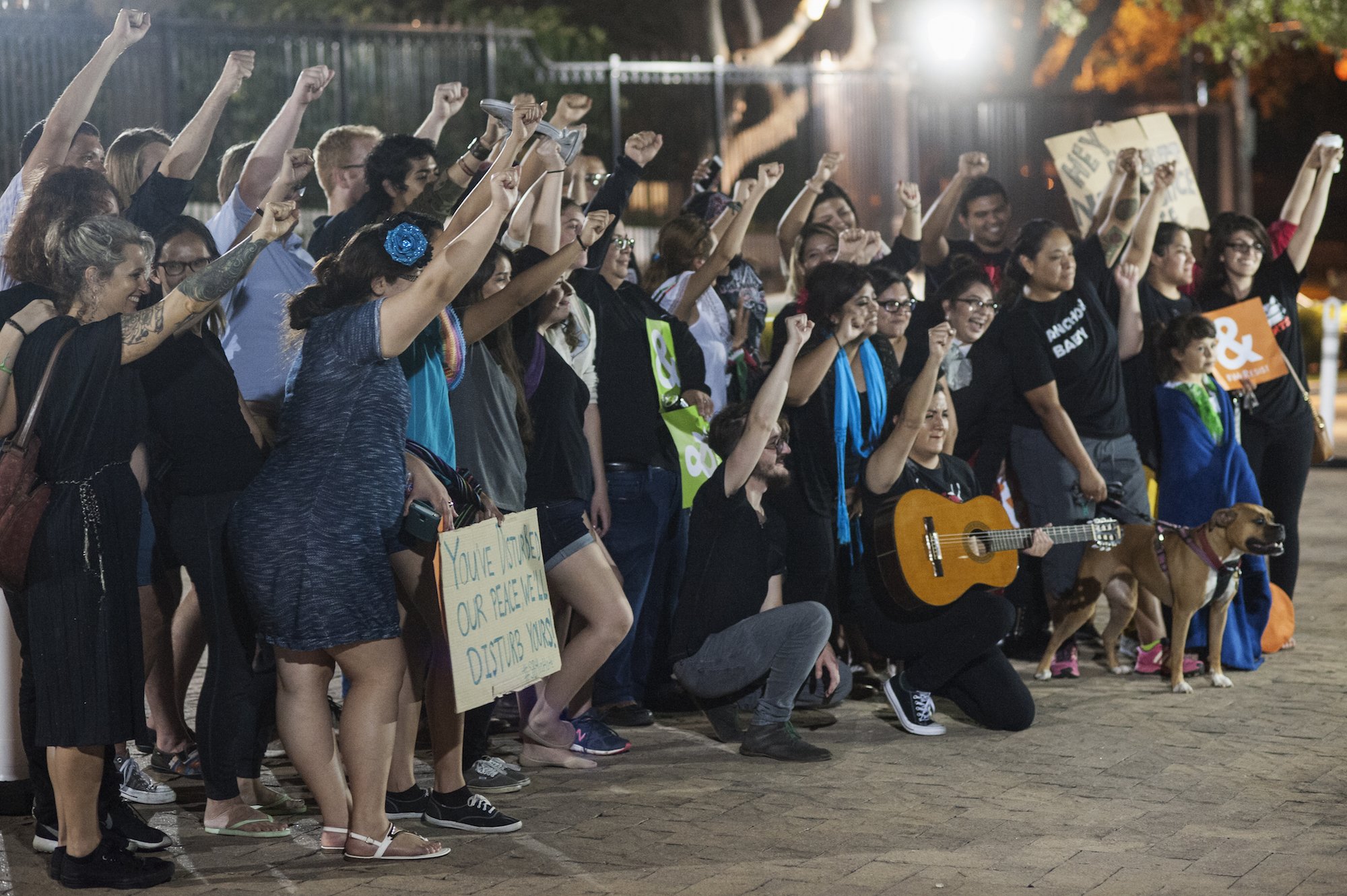
“You’ve disturbed our peace, so we’re disturbing yours,” one sign held by protesters read.
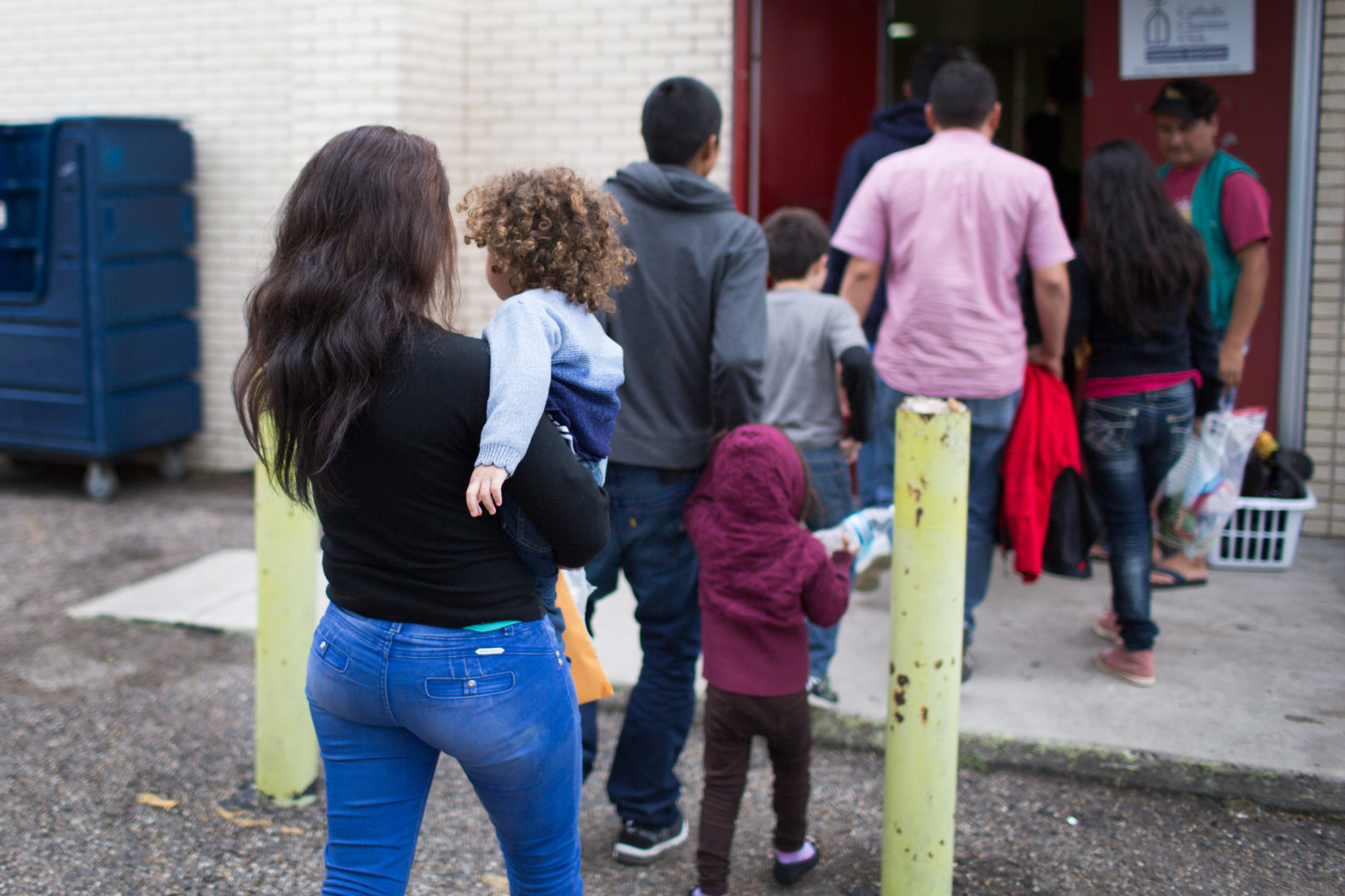
After passing the Texas Senate earlier this month, the GOP-backed bill sat in a House committee beyond do-or-die deadlines.
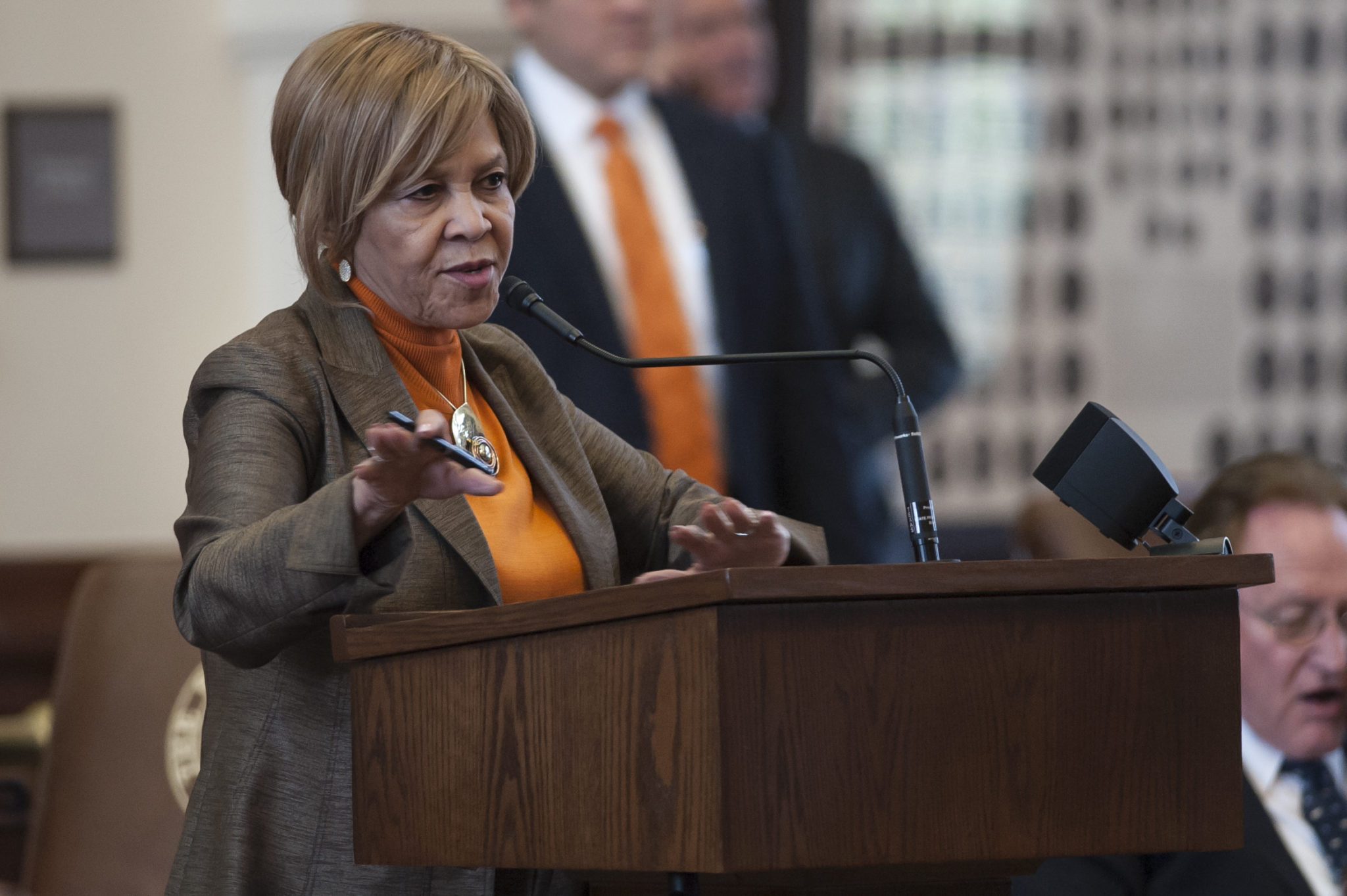
Feeding Texas is now collecting donations to help pay off school lunch debts and encourage schools to adopt more generous meal policies.
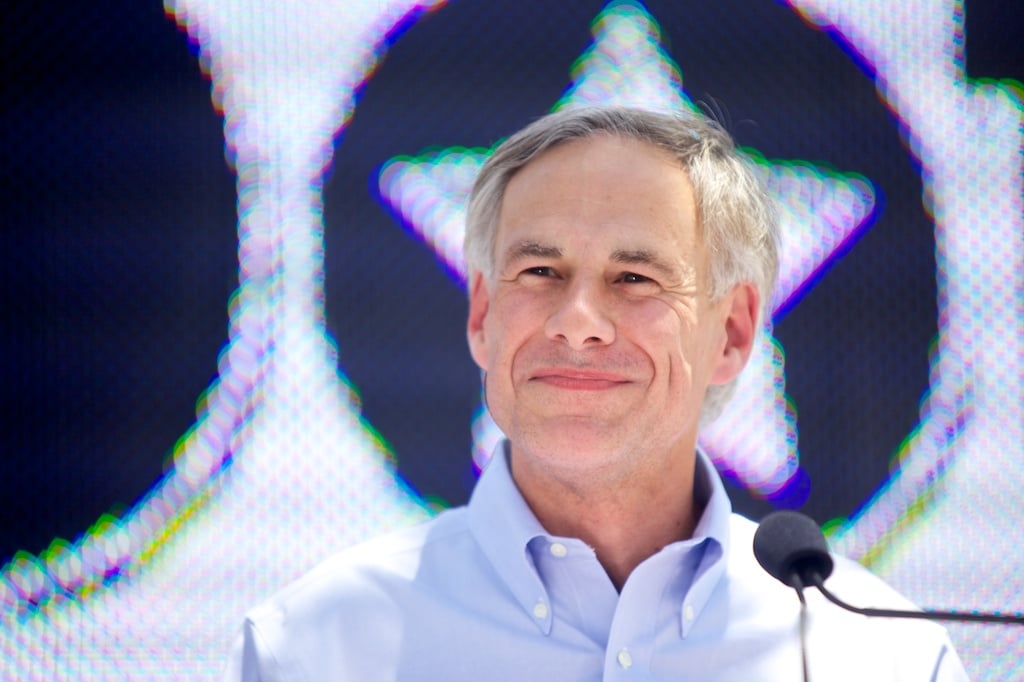
The governor published a counterfactual editorial Friday about the anti-“sanctuary cities” bill.

“I personally believe that the hottest places in hell are reserved for those who harm our children,” said Representative Helen Giddings.
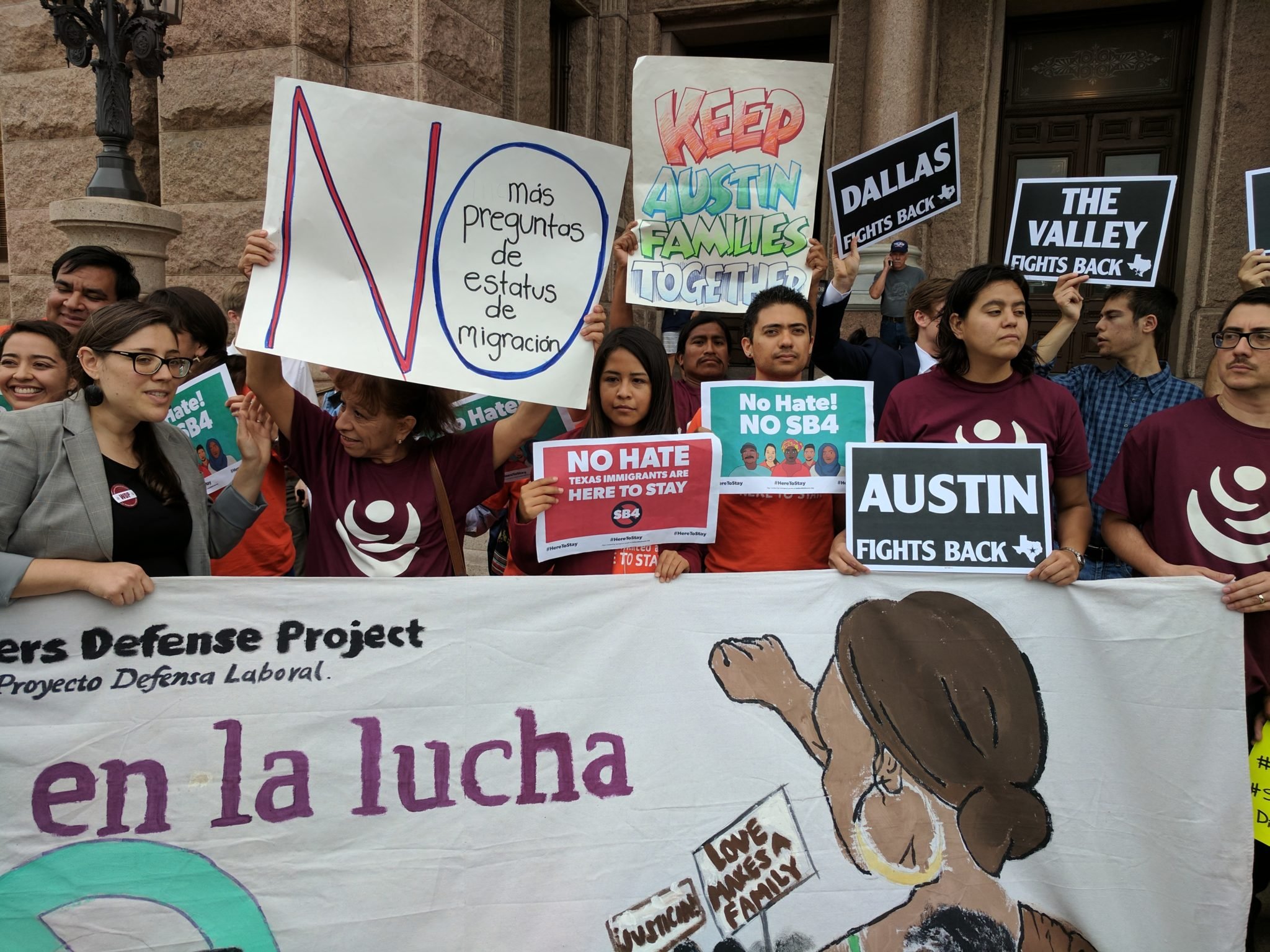
“I don’t know why he is telling people something so blatantly untrue,” Austin City Council member Greg Casar said.
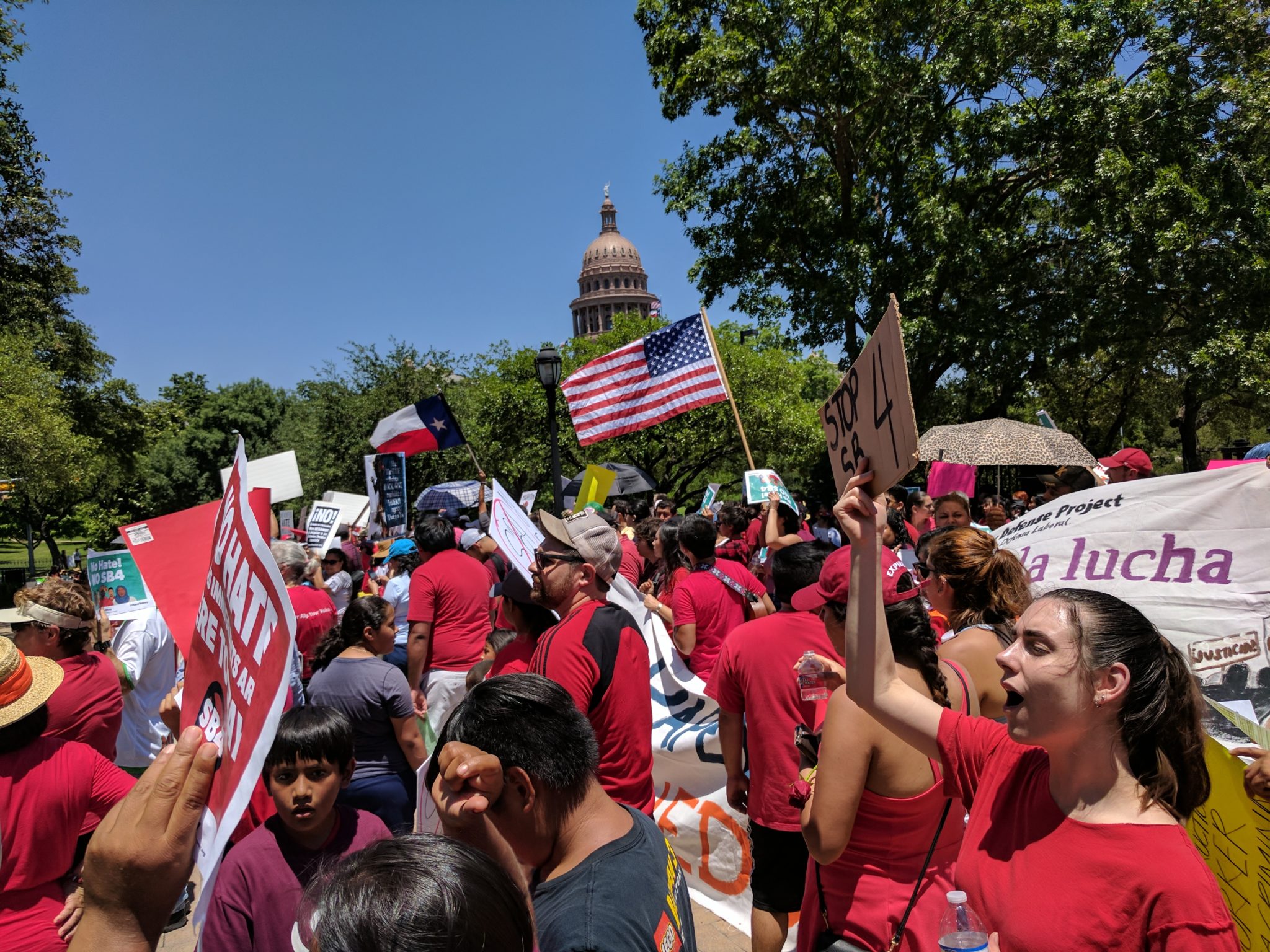
Hundreds marched against the anti-'sanctuary cities' bill that many say could tear immigrant families apart.
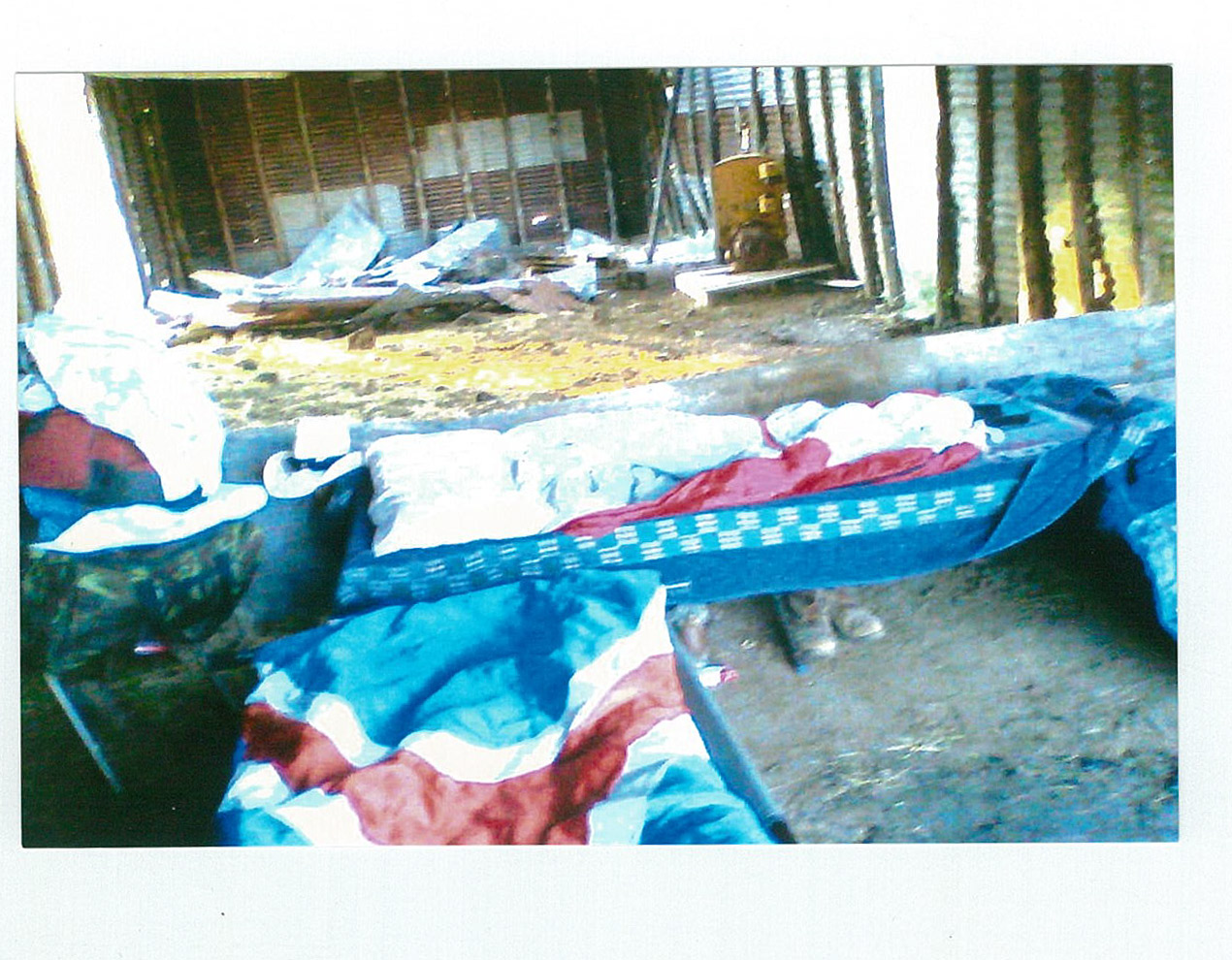
Nine in 10 Texas farmworkers lack access to licensed housing, and many live without running water, electricity or ventilation.
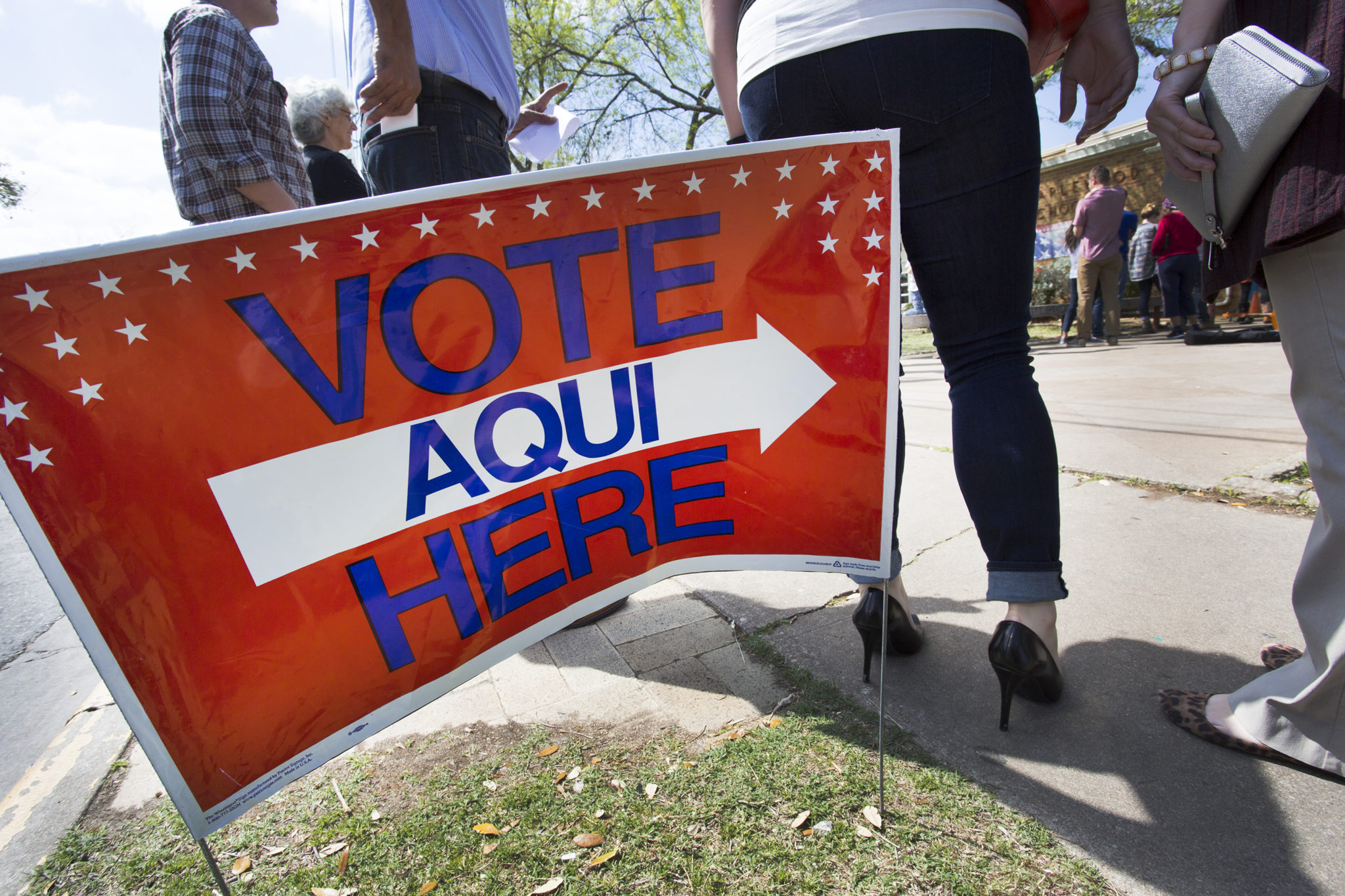
A GOP-backed bill, which Democrats said would be challenged in court as voter suppression, will be considered by a Senate committee Thursday.