Trump’s New Wall Will Destroy Irreplaceable Border Treasures—Unless Congress Acts
The "One Big Beautiful Bill" did not include the provision that spared the La Lomita chapel, the Santa Ana refuge, or any other sensitive location, and a map posted by CBP indicates that Trump’s barrier will tear through them.
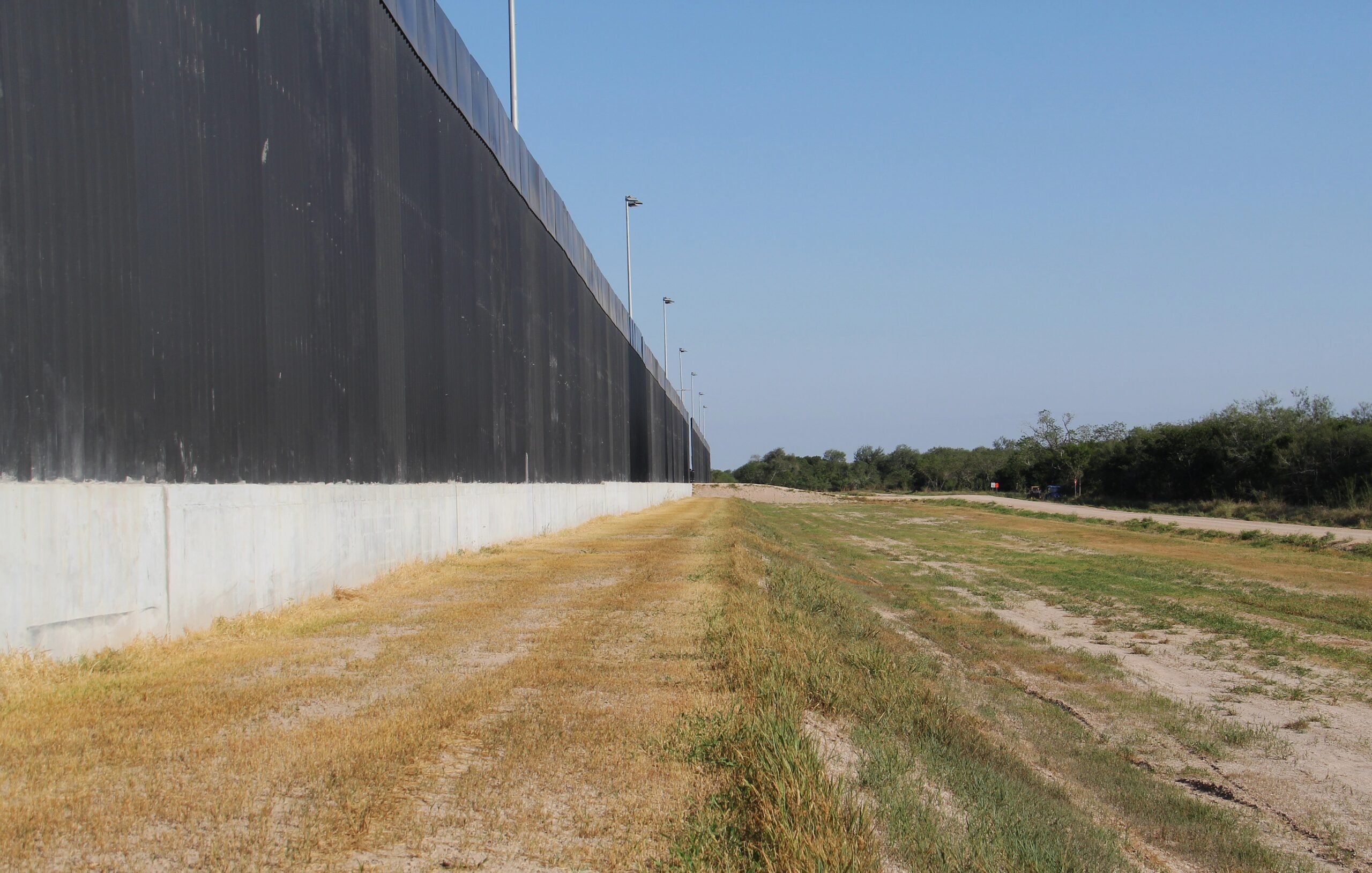
The procession of more than a thousand people walked from Our Lady of Guadalupe church in Mission to the grounds of La Lomita chapel, the historic riverside mission which gave the border town its name. It was August 2017, early in Donald Trump’s first term, and the marchers carrying signs that read “Salvar La Lomita” and “Save Our River” knew that the new president planned to turn a dirt levee, running about 100 feet north of the modest white house of worship, into a border wall—30 feet tall and consisting of a concrete slab surmounted by steel posts, topped with floodlights and cameras, with a patrol road and a 150-foot-wide “enforcement zone” extending from its base and encompassing the chapel.
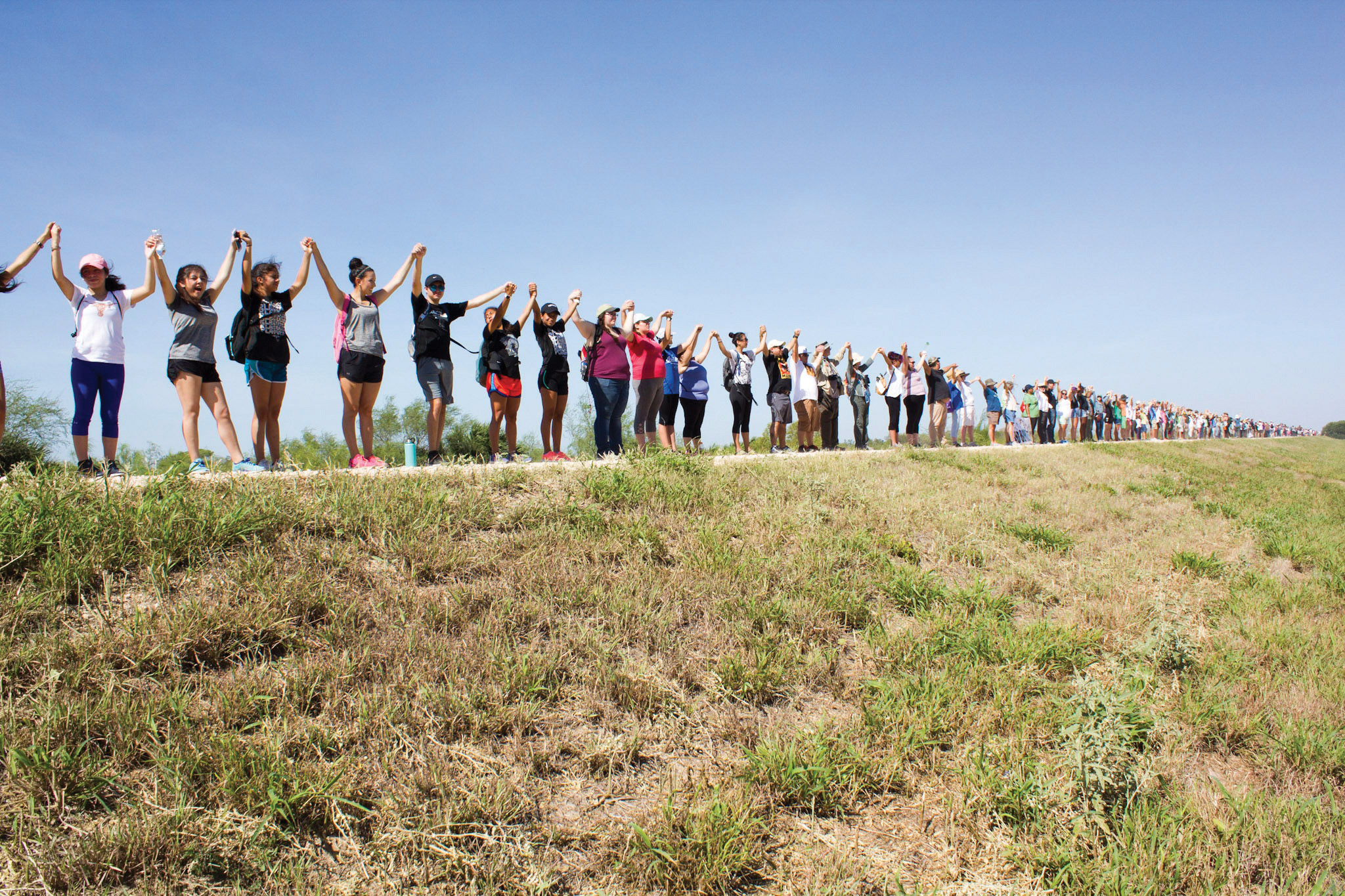
The next day, the people brought their protest to the Santa Ana National Wildlife Refuge. News had leaked that Santa Ana, set aside as habitat for the migratory birds that fill South Texas’ skies every autumn and spring and for the endangered ocelots that move silently through a wildlife corridor alongside the Rio Grande, was slated for the first new stretch of wall. The Trump administration would ultimately condemn the property of hundreds of landowners along the planned wall’s path, but those court proceedings would take time. The wildlife refuge was federally owned, so the conversion of the levee that ran between the visitors center and the trails could start right away. Those who cared about the refuge joined hands, forming a line nearly a mile long on the levee and denouncing its planned replacement with a barrier that would devastate the refuge.
These protests and the many that followed repeated the same refrain: “No Border Wall.” Some politicians took notice.
At the La Lomita rally, U.S. Representative Vicente Gonzalez spoke against the walls that would hit his constituents, and his colleague Filemon Vela, whose district included Santa Ana, spoke at a protest at the refuge.
Congressman Henry Cuellar, whose district then included La Lomita, eventually inserted a provision into the appropriations bills that paid for wall construction which prohibited the use of those funds in places where protests had made the news: Santa Ana and La Lomita, Bentsen State Park, the National Butterfly Center, historic cemeteries, and wildlife refuges around the SpaceX launch site.
In doing so, Cuellar and his congressional colleagues missed the larger message of the protests—No Border Wall—a demand that was not restricted to a few select locations. But at least these places would be spared from the destruction that subsequently ripped apart so much of the border.
Then, last July, Congress passed the so-called One Big Beautiful Bill, a budget reconciliation act that, among other onerous provisions, gave the Trump administration $46.5 billion for border barrier construction (more money, based on prior costs, than would be needed to wall off the entire U.S. Mexico divide). Dozens of federal laws have already been waived, and billions of dollars worth of contracts have already been awarded, to build 629 miles of new border wall and install 536 miles of river buoys.
Crucially, the One Big Beautiful Bill did not include the provision that spared La Lomita, Santa Ana, or any other sensitive location—meaning this new tranche of funding is not explicitly subject to the restrictions that previously shielded these places—and a map posted by U.S. Customs and Border Protection indicates that Trump’s new walls will tear through them.

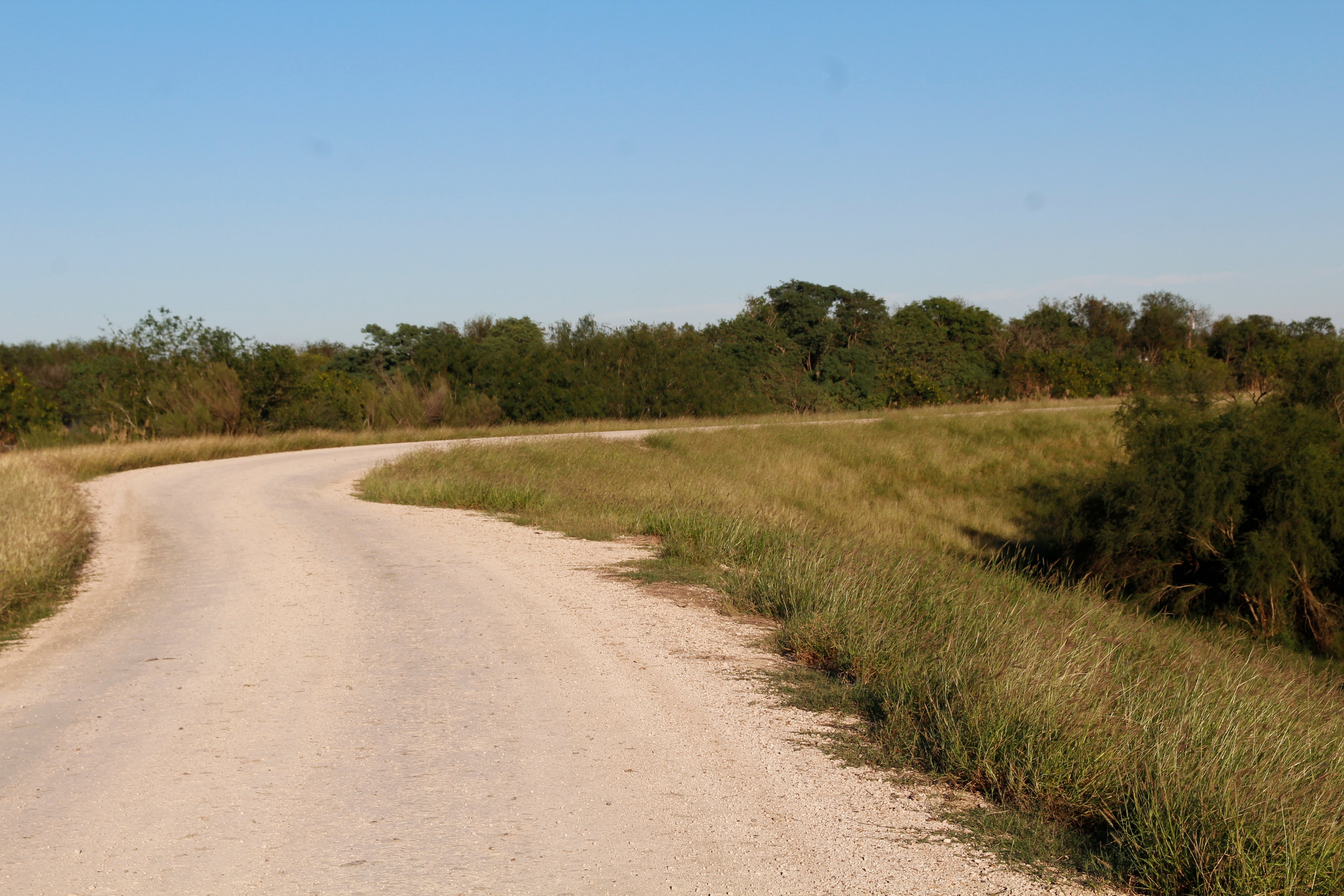
The Trump administration claims that border walls and river buoys will halt the cross-border movement of people, but both academic and government studies, not to mention the ladders one can find left alongside walls for the past decade, show that a desperate or determined person will not be so easily stopped. Walls do, on the other hand, block terrestrial animals. Habitat loss is the primary reason that ocelots are endangered, and while they have no problem walking up and over a gently sloping levee, they cannot build a ladder to climb a 30-foot-tall vertical wall. Walls through Santa Ana, Bentsen State Park, and the National Butterfly Center would restrict animal movement, bottling up wild creatures in bits of forest that are too small to support them.
The Lower Rio Grande Valley is also periodically lashed by hurricanes, something that is sure to happen with greater frequency and ferocity as climate change intensifies. When a 2010 hurricane caused the Rio Grande to swell, inundating for months the land between the river and some stretches of levee that had been converted to border walls under Barack Obama, animals that encountered sheer concrete and steel barriers instead of sloping earthen levees were trapped. After the water receded, U.S. Fish and Wildlife staff found the remains of hundreds of animals that drowned. Border walls had turned wildlife refuges into death traps for the animals they were meant to protect. This will happen again and again if Santa Ana, Bentsen, and the National Butterfly Center are walled off.
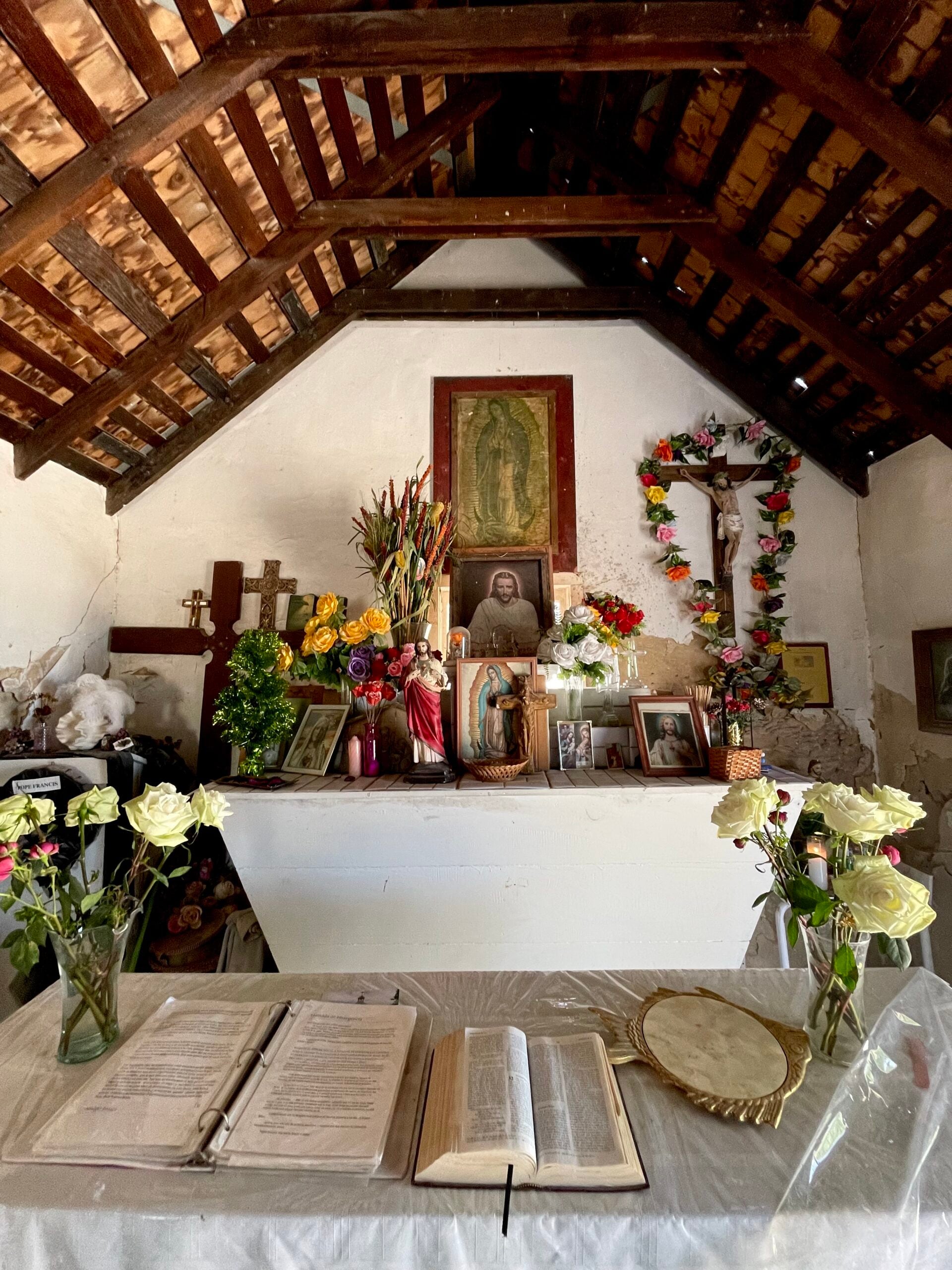
The candles that flicker on La Lomita’s altar testify to its continued place in the religious lives of the faithful. Though historic, it is not a museum; it is a house of worship. The chapel would be in a no-man’s-land between the new border wall and the river, and just as with the nature preserves there is no word on how, or if, anyone will be able to reach it. It is possible there will be nothing left to reach, as the chapel sits within the enforcement zone projected to extend out from the wall. If the Trump administration does not alter its design, the chapel may be leveled.
When word got out early this month that the coming border walls could desecrate the chapel and devastate the nature preserves, people once again gathered at Santa Ana. They called upon elected officials to protect these places—and all of the threatened border communities and borderlands—from these mindlessly destructive (and staggeringly expensive) monstrosities.
So far, politicians have not gotten the message.
If Representatives Gonzalez and Cuellar, or other Congress members who care about the Texas border, don’t act soon to explicitly reapply the protections during the ongoing Department of Homeland Security funding fight, there’s no reason to think the Trump administration will respect the Valley’s treasured spaces. Democrats may bemoan their lack of a majority in the U.S. House—but they should realize that they need to give their constituents, including those on the border, a reason to give them one. (Meanwhile, walls could be headed for the remote Big Bend region too, an area even many Republicans traditionally believed had no need for a barrier.)
Santa Ana and La Lomita are now in the gerrymandered district held by Republican Representative Monica De La Cruz, who has not uttered a word in their defense. She voted for the One Big Beautiful Bill and trumpeted its border wall funding, forgetting that she was sent to Washington, D.C., to work on behalf of South Texans, including her constituents whose farms and businesses are set to be condemned and walled off. Senators Ted Cruz and John Cornyn likewise voted to fund the destruction of the southern border of the state they represent.
For them, the border wall is just politics.
But their actions or inactions, and their votes, have real-world impacts, because the concrete damage inflicted by border walls and river buoys will be permanent. If border walls destroy La Lomita, Santa Ana, Bentsen State Park, and the National Butterfly Center, they will not be magically resurrected when the White House has a less malignant occupant. Once walls are built, history shows that administrations of either party will maintain and even expand them.
Representatives Cuellar, Gonzalez, and De la Cruz, and Senators Cornyn and Cruz, need to start working for the border residents who sent them to Washington and fight to reinstate protections for these special places. Beyond that, they need to stop viewing the demolition of the borderlands as a political game, and redirect the $46.5 billion set to be wasted on walls toward beneficial federal projects. Saving Santa Ana, La Lomita, and other sensitive sites in and beyond the Valley is an important first step.
In a statement to the Texas Observer, Congressman Henry Cuellar said the following: “I secured these site protections during the first Trump administration through the appropriations process, and they were enacted into law. They remain the law today. Congress deliberately adopted exemptions to protect historic, environmental, and community sites in South Texas, including La Lomita Historical Park and the National Butterfly Center, from federally funded wall construction. I’m also working to protect sensitive sites in Webb and Zapata counties.”
Cuellar’s office also provided a copy of appropriations language, which passed the U.S. House last month but not the Senate, that applied the site protections to that appropriations bill but did not explicitly do so for the earlier reconciliation act.
The congressman added: “As new funding proposals move forward—including provisions in the so-called One Big Beautiful Bill—I’m working to ensure those same legal protections continue to apply and these sites remain protected. You cannot circumvent established appropriations law. It’s not how the power of the purse works.”
The Observer contacted the offices of Congress members Vicente Gonzalez and Monica De La Cruz, but they did not provide comment.
You May Also Like
The Lawless Border Wall
The application of waivers and the interpretation of their scope has repeatedly expanded, such that border walls are now privileged over all potential legal constraints short of the U.S. Constitution.
Want to Build a Wall? Don’t Try It in Her Town.
How a Laredo activist and her scrappy environmental group have fought back against powerful interests in South Texas
Biden Quietly Gave Border Wall Contract to Company Used by Trump, Abbott
“Clearly DHS, under the Biden administration, has no more respect for border residents than it did under the Trump administration.”