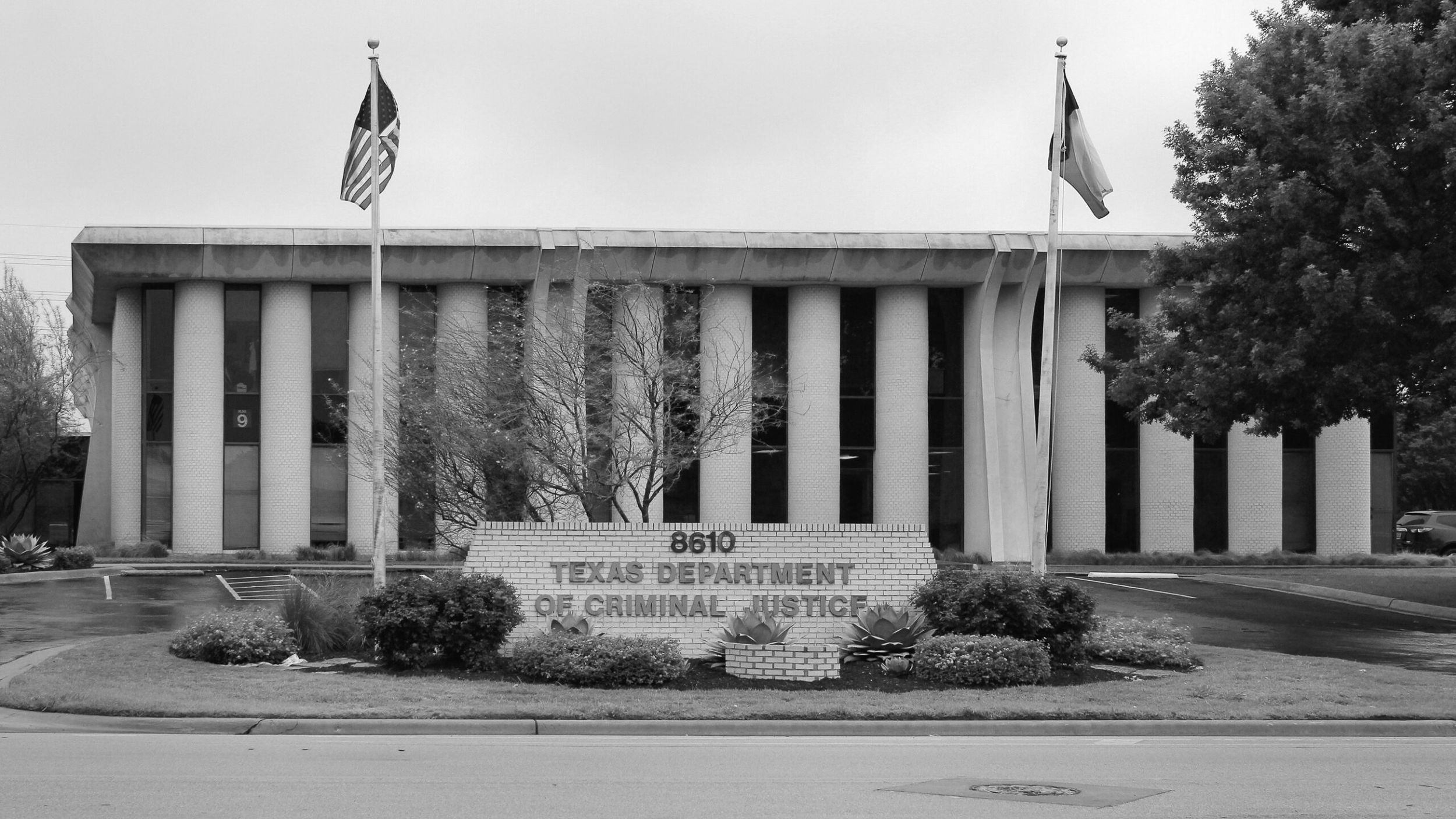
Solidarity from Solitary and Beyond
Texans are organizing inside and outside of prisons to empower incarcerated workers, who labor in dangerous conditions without pay.
Since 1954
Texans are organizing inside and outside of prisons to empower incarcerated workers, who labor in dangerous conditions without pay.
TDCJ will allocate $85 million to provide more air conditioning. In the meantime, people are sweltering in their beds.
Texas' deadly spring continues: Two Black men, Gary Green and Arthur Brown Jr. are set to be killed this week by the state.
There are laws and programs to help formerly-incarcerated Texans get employed, but finding a home can be far more challenging.
For women inside prison, the fight for survival is less physical than psychological.
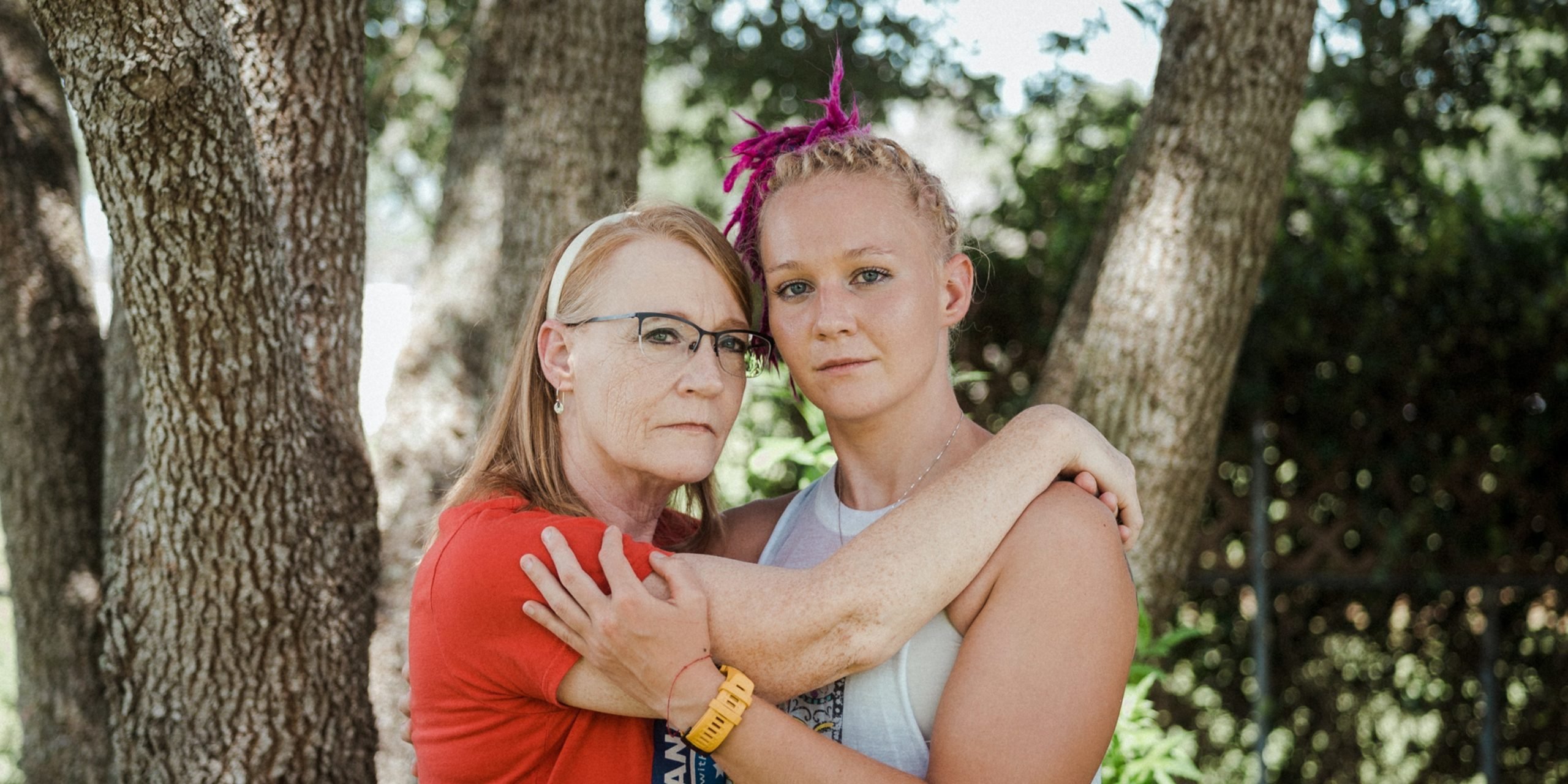
Winner’s home confinement is part of the longest sentence ever for leaking material to the press—and her family is seeking clemency.
Texas lawmakers are confronted with a bleak picture of life inside Texas Department of Criminal Justice facilities every two years. Will they act this year?
COVID-19 has increased separation and isolation at a time of crisis for incarcerated people and their families.
When I was locked up, I often had to go without tampons or pads. A new law ensures that the 12,500 women still behind bars won’t have to.
Black boys, foster care kids, and special ed students were disproportionately suspended, according to a new report from Texans Care for Children.