In El Paso, a Homecoming Marred by Violence
A native El Pasoan reflects in a new book on her bustling Texas border city’s roots—and one of the most tragic days of its modern life.
Since 1954
A native El Pasoan reflects in a new book on her bustling Texas border city’s roots—and one of the most tragic days of its modern life.
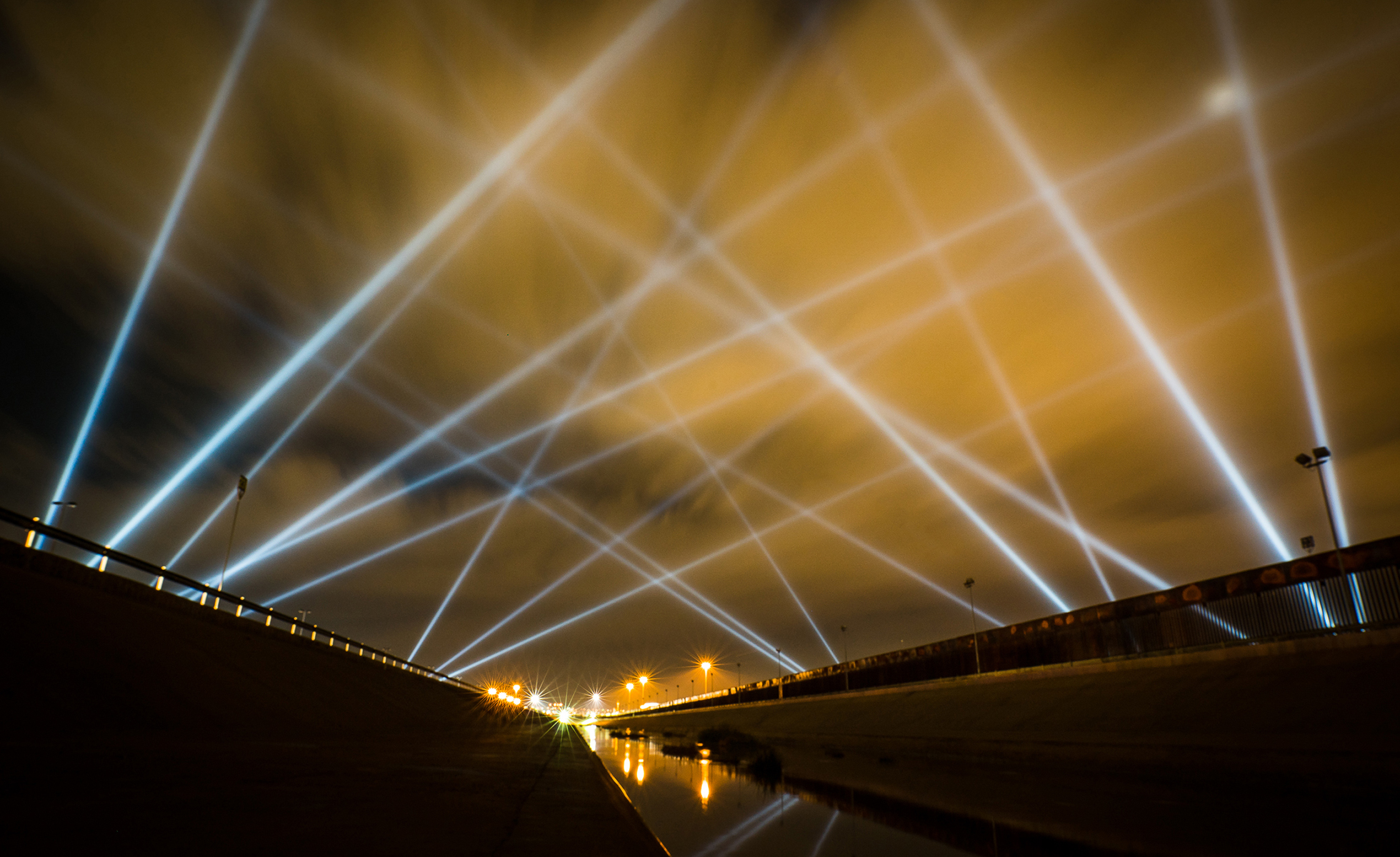
A massive public art project lit up the sky over El Paso and Juárez this month, prompting conversations both funny and serious, political and personal.
People like to believe things are getting better—but what happened in El Paso underscores just how little has changed.
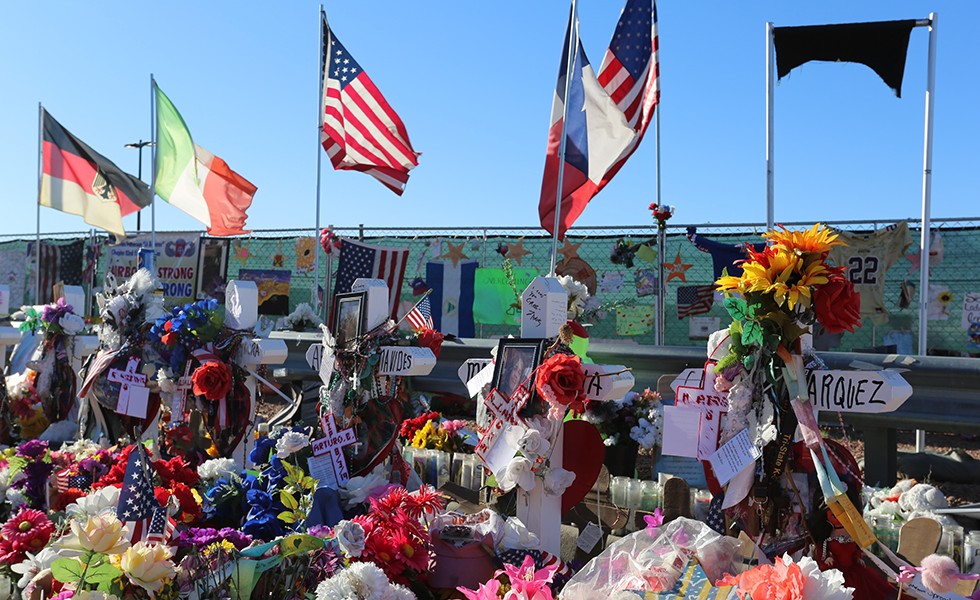
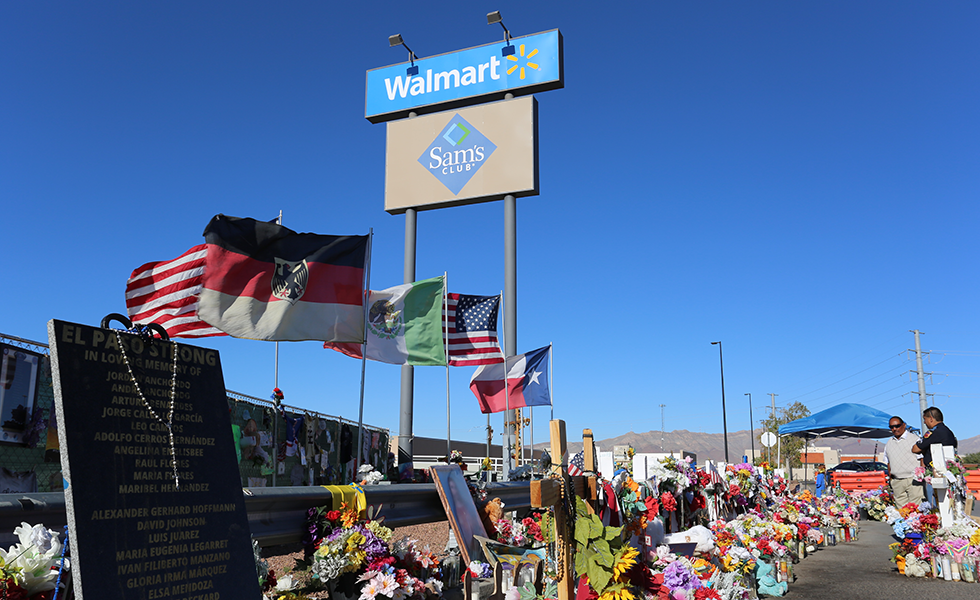
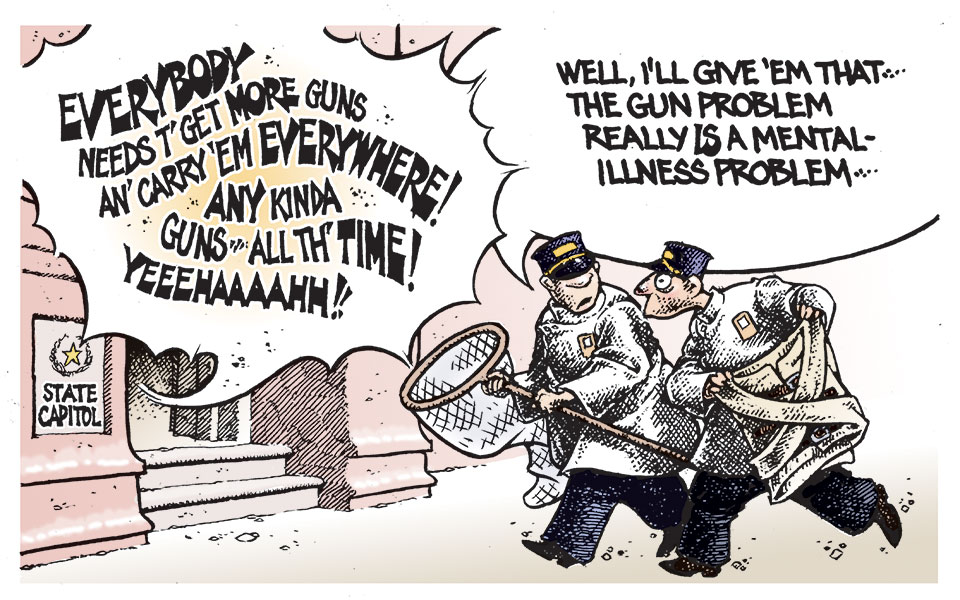
El Pasoans share the deep and expansive trauma that the Walmart massacre has inflicted, and they’re urging lawmakers to take action.
A Peculiar Kind of Immigrant’s Son reminds readers that the U.S.-Mexico borderlands, so frequently flattened and stereotyped, are as personal as they are political.
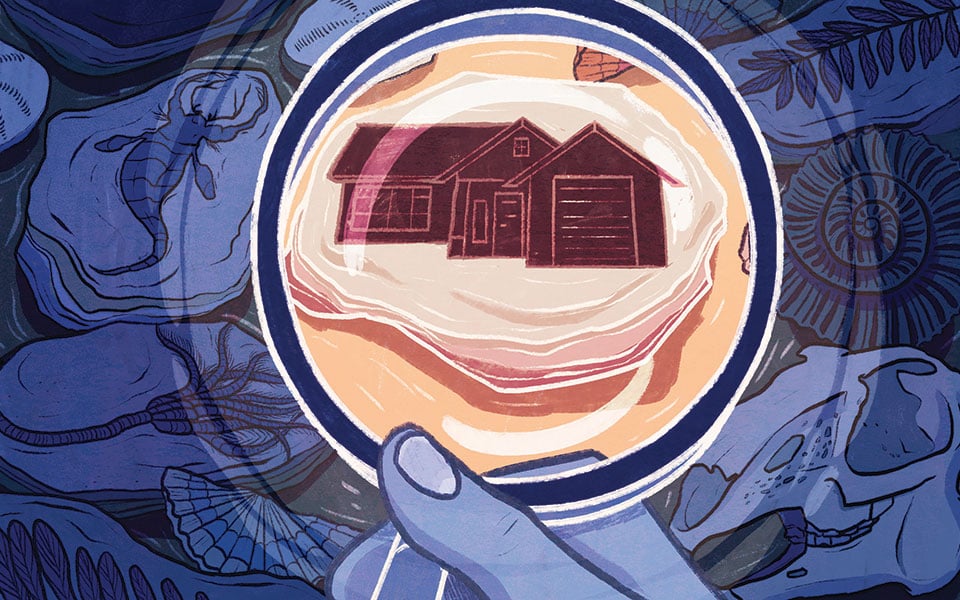
As a child, I hunted for fossils in the Chihuahuan Desert beyond my backyard. Those afternoons shaped the way I think about my fronteriza identity today.
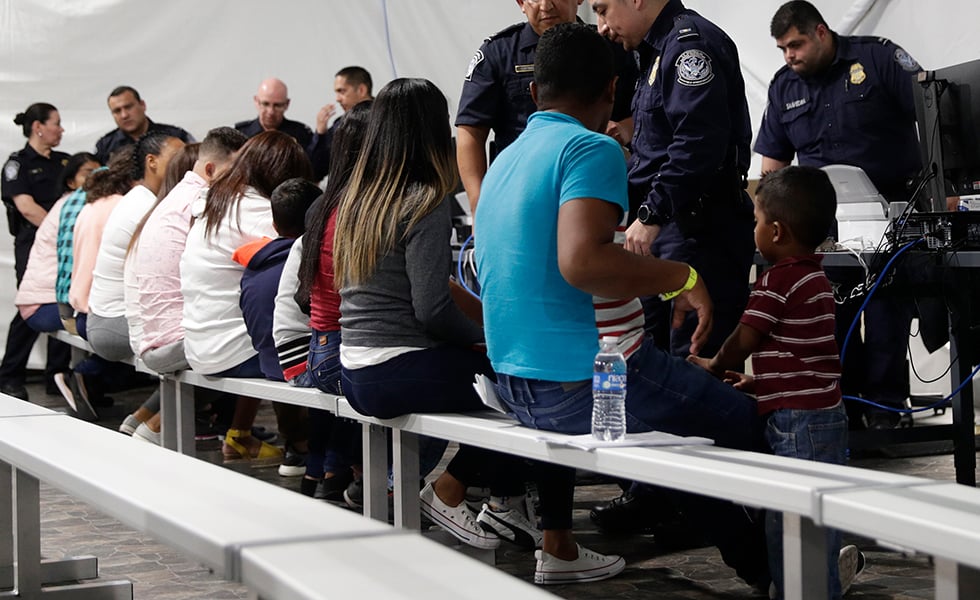
“It's more like what you might see, perhaps, in China or Russia,” says Ashley Tabaddor, president of the National Association of Immigration Judges.
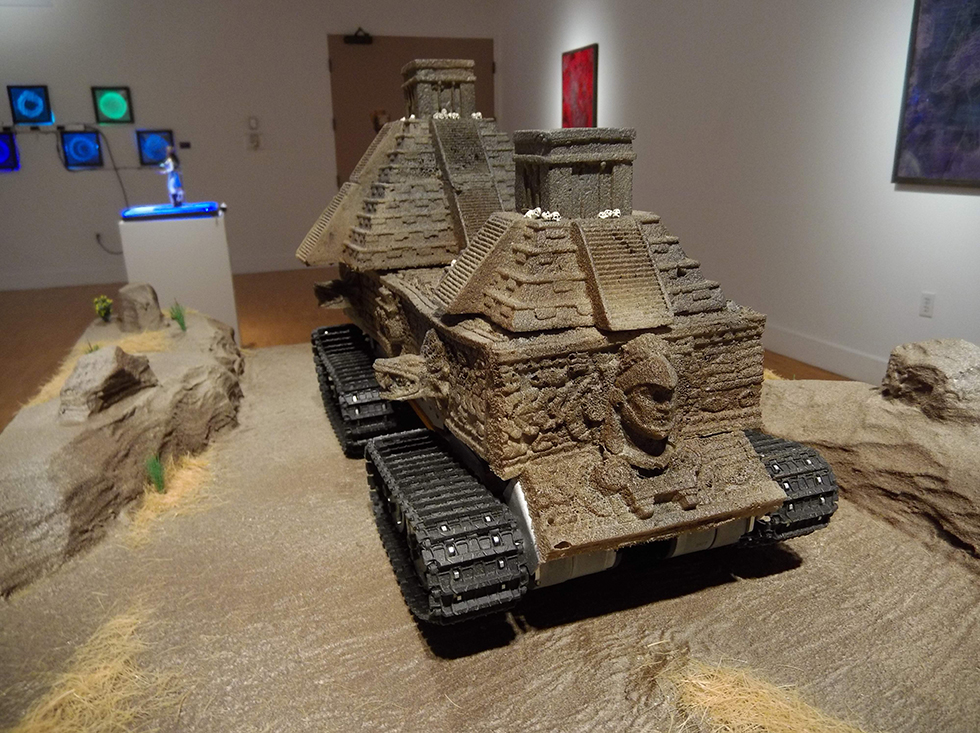
From a cosmic piñata to “Aztechnonauts,” sculptor Angel Cabrales envisions an alternate history defined by Latinx creativity.
“What people don’t understand about El Paso is this is the biggest small town in the world.”